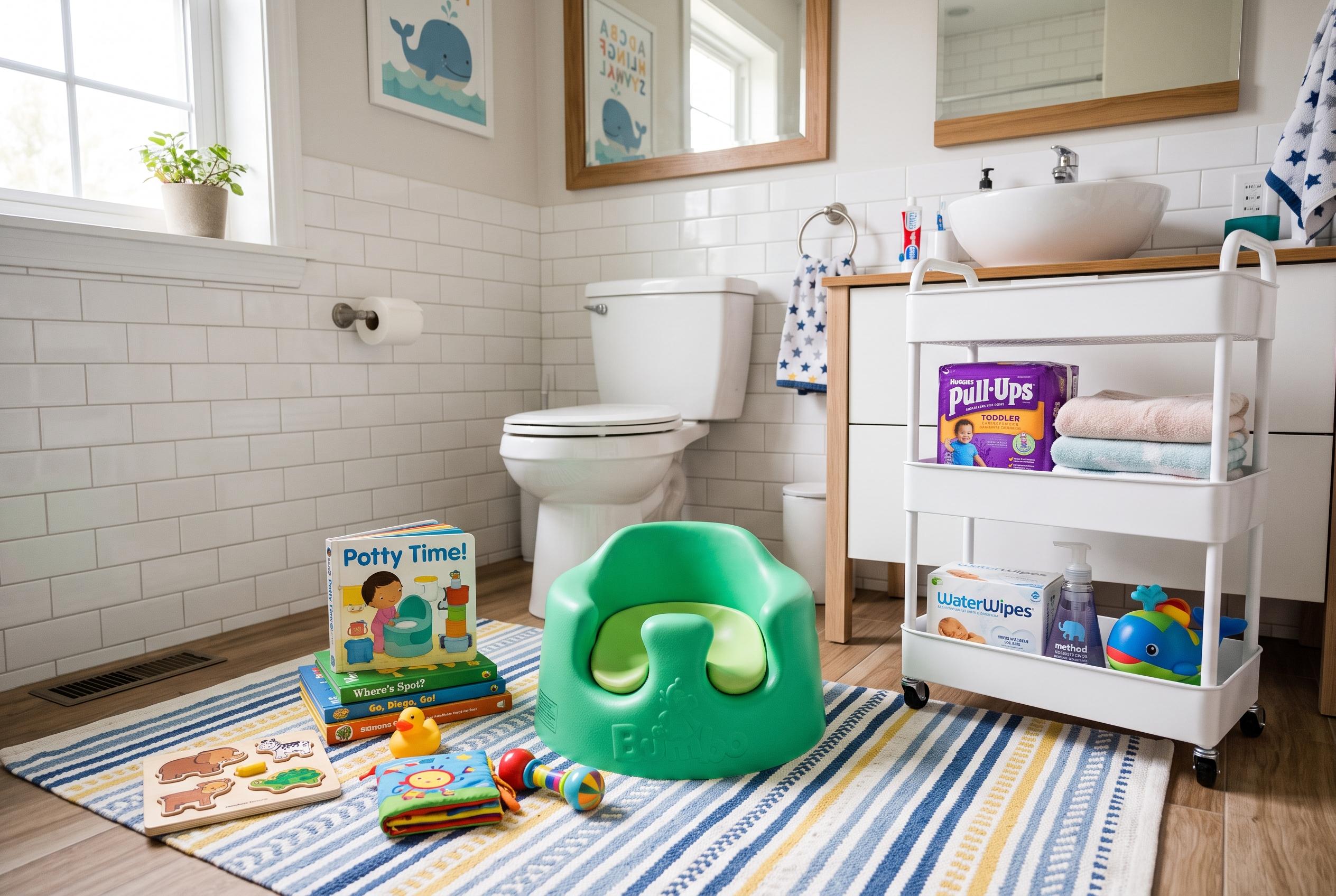

A growing delay in toilet training among children in the US and UK reflects changing parenting cultures and raises questions about the impact on early schooling and child readiness.
The United States is confronting a quiet but growing problem: more children are arriving at school still in nappies. In Utah, a rule that took effect last year bars most children from enrolling in public school unless they are toilet trained, while lawmakers in Kansas have proposed a similar measure and a district in Florida is weighing whether kindergartners should be kept at home until they are out of nappies. The trend is not limited to the US. In Britain, the annual School Readiness Survey found that more than a quarter of children began primary school without being toilet trained, a burden that school leaders say eats into teaching time and routine classroom learning.
That shift has been building for years, and experts point to several causes. Disposable nappies have made accidents less disruptive for families, reducing the pressure to start training early. At the same time, many parents working long hours may find the process hard to sustain. But Felicity Gillespie, chief executive of Kindred Squared, which commissions the UK survey, argues that the deeper issue is a parenting culture that waits for children to lead. In her view, toilet training is a parent-led task, not one that begins only when a toddler volunteers.
That debate reflects a wider change in how many adults think about raising children. Modern parenting styles often prize gentleness, negotiation and the child’s autonomy, sometimes at the expense of firm instruction. Toileting is a revealing test case because it depends on repetition, routine and adult persistence. The child does not usually wake up ready; readiness is created through practice, structure and opportunity.
Official guidance has not always looked like this. According to historical material cited in The Atlantic, early 20th-century advice from the US Children’s Bureau urged parents to begin very early. That approach later gave way to the child-oriented thinking associated with paediatrician T. Berry Brazelton, whose work helped shape decades of advice from the American Academy of Pediatrics and other groups. Even so, the timeline has been slipping. Data cited in the article suggest that in the 1950s most children were trained by age 2, while recent figures show many families now wait until after age 3 to begin. A University of Michigan poll found that three-quarters of parents started when they believed their child was ready.
Researchers say that assumption can be misleading. Tinne Van Aggelpoel, a Belgian pelvic-floor physiotherapist, says there is no clear scientific agreement on what readiness looks like, and that some of the signals parents are told to watch for may not appear until training has already begun. She also argues that modern nappies may blunt the bodily cues children would otherwise notice, making accidents less informative. In her view, continence is a learned motor skill, shaped by feedback, repetition and trial and error. British experts are increasingly questioning the old readiness model, and some updated US guidance now sounds less certain about delaying. That leaves a practical question for parents: if waiting is not helping, perhaps the more demanding path is to start earlier.
Disclaimer: This content is for informational purposes only and is not intended to be a substitute for professional medical judgment, advice, diagnosis, or treatment.