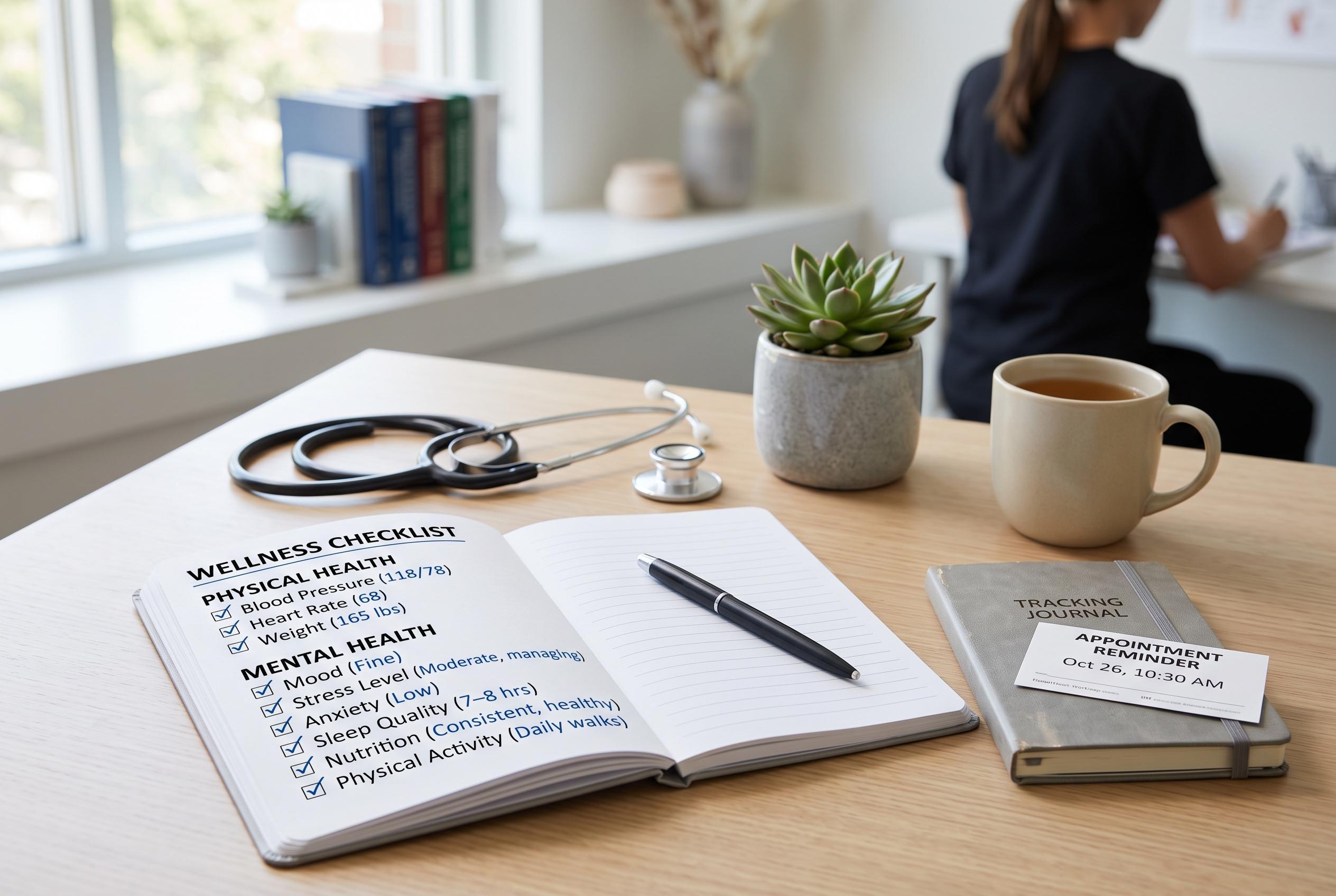

Dr Sabreena Qadri highlights the importance of integrating mental health into regular healthcare, emphasising early detection, reducing stigma, and encouraging support for those in need to foster resilience and wellbeing.
In a recent episode of “Sehat Naama Paras Ke Sath”, Dr Sabreena Qadri, a senior consultant psychiatrist at Paras Health Srinagar, spoke with Aabroo Hussain of Kashmir Observer about the growing need to treat mental health as a routine part of overall health. The discussion focused on how emotional strain can affect people at any age, why early warning signs should not be ignored, and how timely support can prevent problems from deepening.
The conversation reflected a wider message seen in mental health guidance from clinical resources: therapy is not only for moments of crisis. Persistent anxiety, low mood, stress that begins to disrupt daily life, or coping habits that make things worse can all be signs that help may be useful. Cleveland Clinic says mental health should be treated with the same seriousness as physical health, because it shapes sleep, work, relationships and general wellbeing.
Dr Qadri also touched on the stigma that often keeps people silent, especially men, who may be expected to appear self-reliant and untroubled. That pressure can cause distress to show up in other ways, including irritability, anger or substance use, according to resources on men’s mental health. Health guides from Psychology.com, Healthline and Medical News Today all note that seeking help is not a weakness, but a practical step towards recovery and resilience.
The episode also aligns with advice from Cleveland Clinic on supporting loved ones who may be overwhelmed. Signs such as constant worry, restlessness and physical symptoms can point to anxiety, and a calm, supportive conversation may help someone take the next step towards care. Taken together, the message is clear: recognising distress early, speaking openly and getting professional help when needed can make it easier to build healthier coping habits and a more supportive environment.
Disclaimer: This content is for informational purposes only and is not intended to be a substitute for professional medical judgment, advice, diagnosis, or treatment.