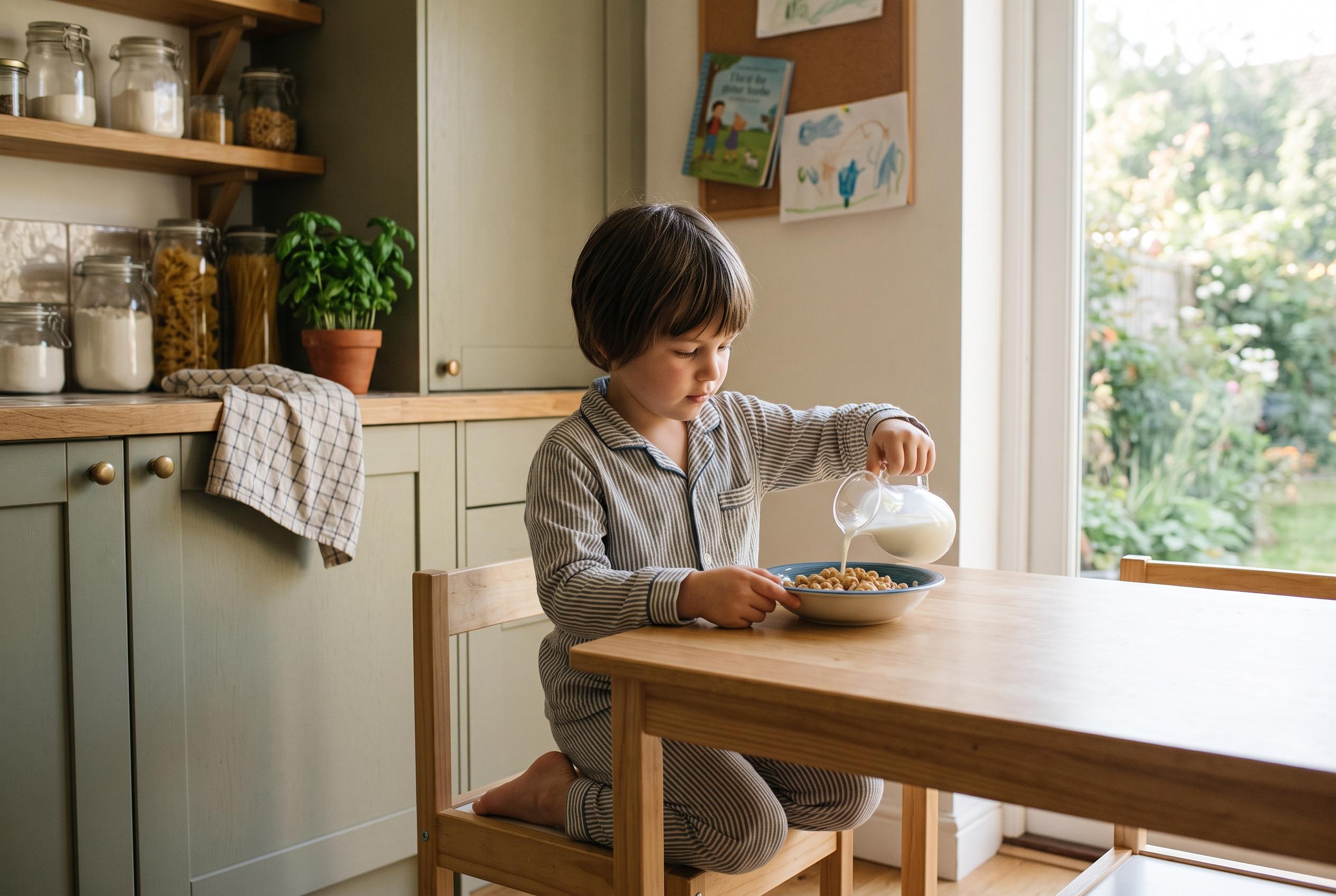

Children develop independence gradually through everyday moments of practice supported by environmental design and supportive language, fostering confidence and resilience in their growth journey.
Children do not become independent in a single leap; they build the skill through repeated, ordinary moments. A toddler pulling on a coat, a preschooler putting toys away and a primary school pupil starting homework without being chased are all part of the same slow process. The point is not that children do everything alone, but that they learn they can begin, try and finish tasks by themselves. Parents who support that process are helping their children develop confidence, responsibility and resilience.
Developmental specialists and Montessori educators agree that independence grows best when children are given the right conditions rather than constant intervention. A prepared environment, with low shelves, child-sized equipment and accessible storage, makes it easier for children to act without waiting for an adult. Montessori schools in Freiburg, Regensburg and Münster describe this as a way of respecting each child’s pace and encouraging self-directed activity, while the organisation DM also notes that freedom of choice can strengthen intrinsic motivation and movement supports learning. The broader developmental message is similar: children need guidance, but they also need room to practise.
That begins very early. Even in the second year of life, many children can manage small but meaningful tasks if adults allow enough time and accept a little mess. They may take off their shoes, place toys in a box, use a spoon with growing skill or pour water from a small jug. In the preschool years, responsibility can expand to setting the table, sorting laundry, watering plants or helping to prepare simple food. The developmental psychologist Herbert Renz-Polster has argued that independence is not something adults can simply teach; rather, children learn it when they are trusted with age-appropriate chances to act on their own.
By primary school age, the emphasis shifts from basic self-care to everyday responsibility. That may mean packing a schoolbag, remembering a routine, doing homework with less prompting or learning a known route safely. Families often underestimate how much competence children can build when adults stop stepping in too quickly. The key is not perfection. A bed need not be made flawlessly, and a household chore need not be completed to adult standards. What matters is that the child has a real role and experiences the satisfaction of managing it. As many Montessori educators put it, the adult’s job is to help the child do it themselves.
Language matters as much as logistics. Phrases such as “I can help if you want” or “What do you think comes next?” support autonomy better than commands or takeovers. The same applies when a child makes a mistake. Spilled milk, forgotten shoes or a struggle with buttons are not signs of failure; they are part of learning. Families Handbook and other child-development resources stress that children build self-reliance when they are allowed to make mistakes, recover and try again. That approach also applies to setbacks. A child who suddenly wants more help after a period of independence may simply be under stress, not regressing permanently.
In practice, independence grows through routine, structure and trust. Clear morning and evening habits reduce the need for constant reminders, while small choices – which shirt to wear, which task to do first – train decision-making. Parents also need to watch for the line between support and overprotection. If a child begins to ask permission for everything, shows little initiative or avoids trying new things, it may be a sign that adults are doing too much. The long-term lesson is simple: when children are given space to try, supported when they struggle and trusted to contribute, they usually rise to the task.
Disclaimer: This content is for informational purposes only and is not intended to be a substitute for professional medical judgment, advice, diagnosis, or treatment.