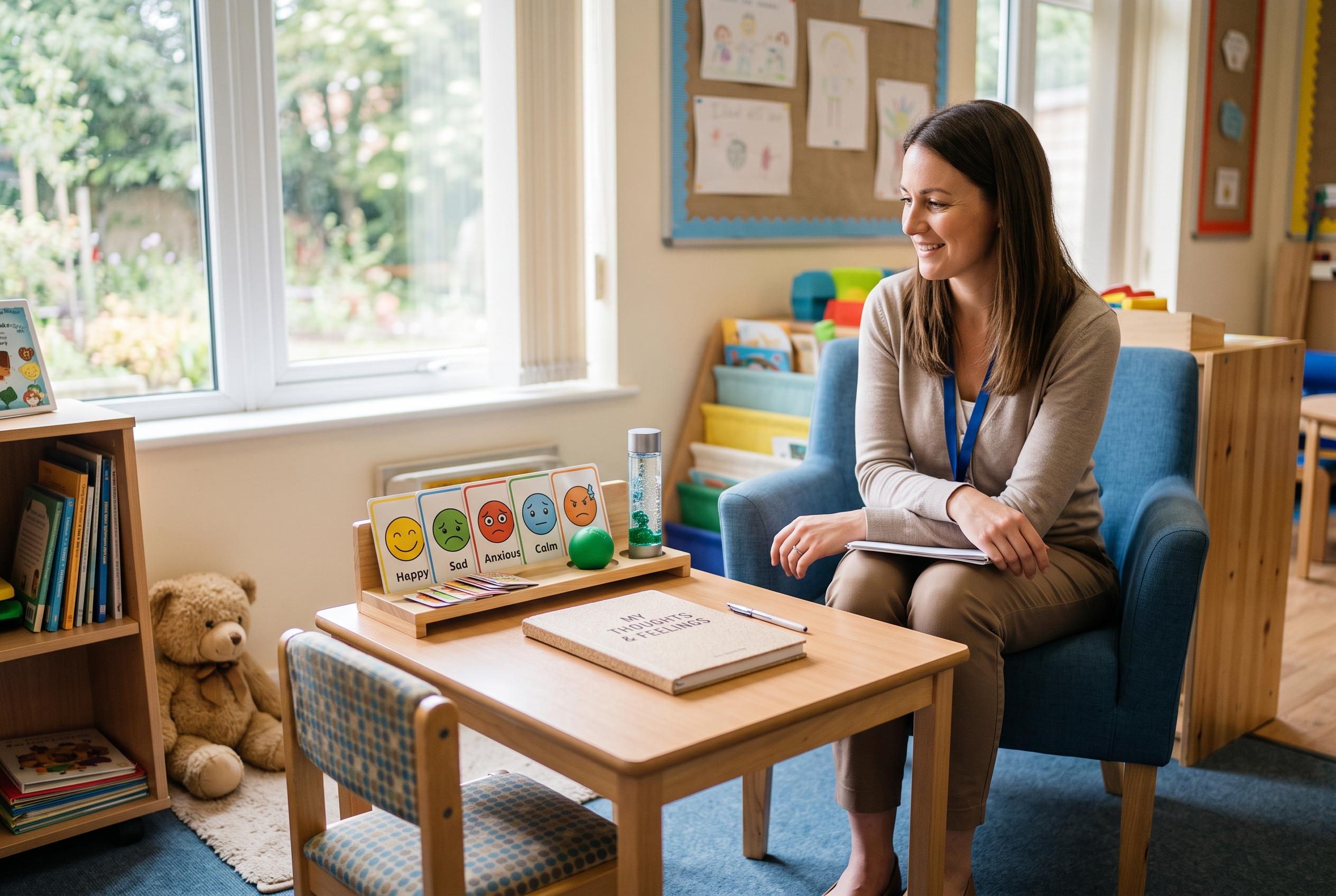

A new pilot programme providing counselling in primary schools demonstrates significant benefits for children’s wellbeing, though the broader system faces critical long waiting times for specialist mental health support.
A pilot scheme offering counselling in primary schools has been found to make a meaningful difference to children’s wellbeing, with an independent evaluation saying pupils, parents, school leaders and staff responded positively to the service. The Counselling in Primary Schools Pilot was launched by the Department of Education and Youth in 2023 and is run by the National Educational Psychological Service to support children with mild to moderate mental health needs in seven counties. The wider initiative, which also includes Education Wellbeing Practitioners in selected schools, was introduced after the department identified rising wellbeing pressures among primary school pupils.
The Centre for Effective Services found that children felt listened to and respected, and that the support reached pupils who might otherwise have struggled to access help. One child said: “It pushes everything bad out of your head, and you focus on more.” Another said: “It makes me feel better because it’s helped me calm down.” The evaluation concluded that one-to-one counselling can provide valuable, targeted help for individual pupils.
It also pointed to limits. The review said expanding the counselling strand is difficult because of shortages of qualified, accredited counsellors and the need to make sure referrals are suitable for short-term support. By contrast, the school-based wellbeing practitioners were seen as especially effective because they could reach more children, parents and staff. The department has already widened the pilot, extending counselling support to 61 urban DEIS primary schools in Dublin South-West and Dublin North in October 2024.
The findings come as new figures show 4,881 young people were waiting for CAMHS appointments at the end of June. Sinn Féin TD Sorca Clarke said 643 had been waiting more than a year, while 446 had been waiting between nine and 12 months. Clarke criticised the Government for allowing waiting lists to rise since January 2025 and said delays can allow difficulties to worsen, adding pressure on families, schools and GPs. The figures highlight the gap between early intervention in schools and the long waits some children still face for specialist mental health care.
Disclaimer: This content is for informational purposes only and is not intended to be a substitute for professional medical judgment, advice, diagnosis, or treatment.