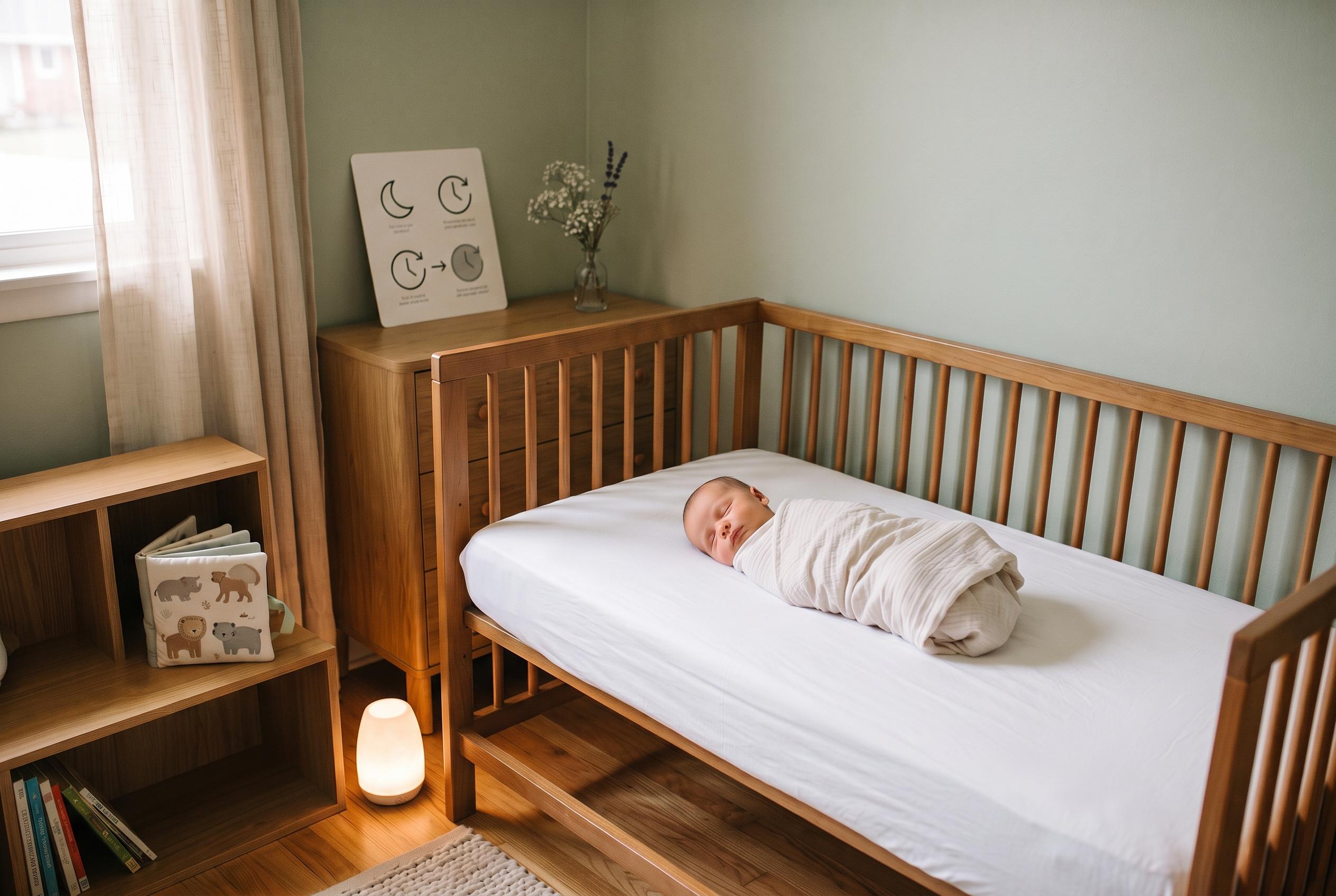

Understanding the seemingly random sleep habits of infants is crucial for parents to differentiate normal development from potential health issues, with current guidance emphasising safety and patience during these early months.
Newborn sleep is often less about long, restful nights and more about a pattern that can seem random to exhausted parents. In the first weeks and months, it is normal for babies to sleep a great deal, then wake again soon afterwards for feeding, soothing or a nappy change. Utah Valley Pediatrics says most healthy newborns sleep 14 to 17 hours a day, usually in short stretches rather than one long block. Johns Hopkins Medicine gives the same overall range for babies up to 3 months old, while MedlinePlus notes that newborns commonly stay awake only one to three hours at a time.
That stop-start rhythm reflects how young infants develop. Their stomachs are small, so frequent feeds are expected, and their internal body clock is still immature. HealthyChildren.org explains that newborn sleep is split between active and quiet sleep, and that some uneven breathing patterns can be normal in early infancy. In practical terms, a baby who sleeps a lot, wakes to feed, and is gaining weight as expected is usually behaving within the normal range.
Sleep patterns do change over time, but not all at once. Utah Valley Pediatrics says babies from birth to 4 weeks typically sleep in one- to three-hour stretches, while those from 1 to 3 months may begin to consolidate sleep for slightly longer periods, though night waking remains common. Nationwide Children’s Hospital says many babies do not sleep through the night until at least 3 months of age, and Cleveland Clinic notes that some do not reach that milestone until closer to 6 months.
Parents should, however, pay attention to signs that sleep may be linked to a health issue rather than ordinary newborn behaviour. Utah Valley Pediatrics advises contacting a paediatrician if a baby is hard to wake for feeds, regularly sleeps through multiple feedings, is not gaining weight, or has breathing problems while asleep. MedlinePlus also says sleepy cues such as eye rubbing, fussiness and crying can help parents spot when an infant needs rest before overtiredness sets in.
Safety matters as much as duration. Both Utah Valley Pediatrics and Johns Hopkins Medicine stress putting babies on their backs for every sleep, using a firm, flat surface, and keeping pillows, blankets, stuffed toys and crib bumpers out of the sleep space. MedlinePlus adds that room-sharing is preferable to bed-sharing, particularly for infants under 12 months, because of the higher risk of sudden infant death syndrome. Daytime light and noise can help babies distinguish day from night, while evenings should stay calm and quiet.
For most families, the main lesson is that newborn sleep is meant to be uneven. A baby who naps often, wakes frequently and still feeds well is usually doing exactly what a newborn should. As the first months pass, sleep tends to become more predictable, but in the meantime, recognising normal patterns, following safe sleep guidance and knowing when to call the doctor can give parents some much-needed reassurance.
Disclaimer: This content is for informational purposes only and is not intended to be a substitute for professional medical judgment, advice, diagnosis, or treatment.