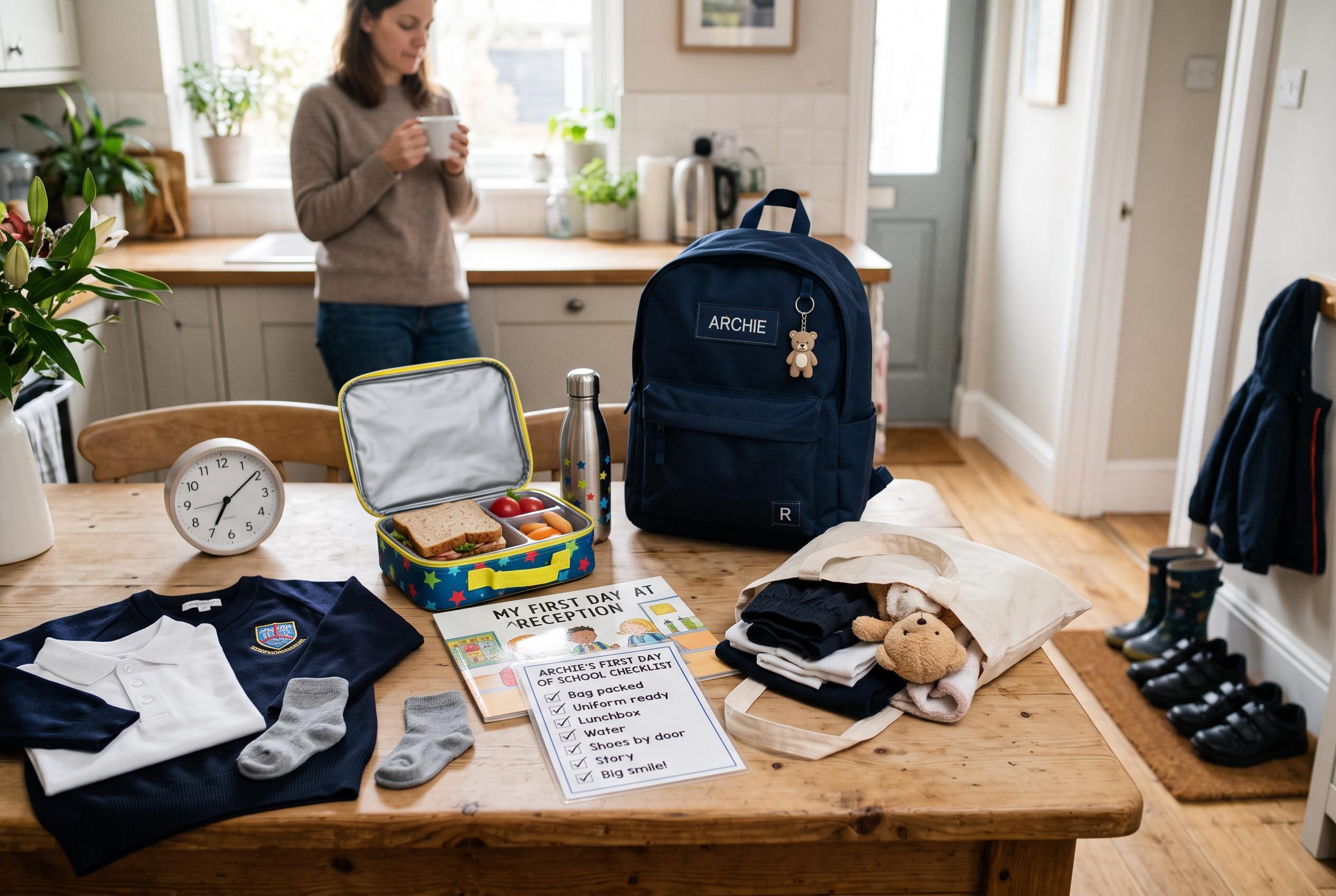

As the new school year begins across the UK, experts emphasise gradual preparation, practical routines, and reassurance to help four-year-olds transition smoothly into school life, fostering confidence and independence from the start.
As August gives way to September, many families across the UK are entering a season of firsts: new classes, new routines, exam milestones and, for some children, the first day of school itself. For parents of four-year-olds, that transition can feel especially significant, but Georgie Hunter, head of pre-prep at Highfield and Brookham School, says the process works best when children are given time, structure and small chances to practise independence.
Hunter argues that readiness is less about perfect skills than gradual confidence. She says children do not need to arrive able to manage every button or shoelace, but they do benefit from being encouraged to try. In her view, the build-up to school should include everyday tasks such as dressing themselves, using cutlery and recognising simple routines, so that by the time term begins those habits feel familiar rather than daunting.
A number of the most useful preparations are practical. Parents can let children choose and put on their own clothes, even if it takes longer, and can make the process playful rather than pressured. Hunter also recommends avoiding language that makes school sound intimidating, such as “big school”, and instead referring to it as their school or new school. Reading stories about starting school can also help children picture what lies ahead in a calmer, more reassuring way.
Other advice focuses on expectations and organisation. HealthyChildren.org advises parents to make sure they know the start time, transport arrangements and school rules well before the first day, while also planning for basics such as snacks and water bottles. Hunter offers a similar message, saying children do better when household boundaries already exist around meals, bedtime and play, because school will introduce its own set of routines and rules.
Knowing a child’s name matters too, both practically and emotionally. Hunter says children should be able to recognise the name they will see on pegs, books, tables and trays. That includes making sure belongings match the name they actually use every day, rather than a longer version that might confuse them. Small details like that can reduce anxiety at drop-off and help children feel they belong.
Several experts also point to the value of reading and conversation. Harvard Health recommends talking through the school day, while Scholastic suggests building a daily reading habit and using books to make the idea of school feel familiar. Hunter similarly describes reading together as one of the most valuable things families can do, not only because it builds vocabulary and imagination, but because it creates a reassuring shared routine before bedtime.
Screen time can be useful when it is handled deliberately, Hunter says. Rather than treating it as passive entertainment, parents can use programmes as a prompt for discussion or an activity away from the screen. A child who enjoys wildlife or sea-life shows, for example, might be taken on a walk to spot insects or visit an aquarium, turning what they watch into something concrete and memorable.
The broader message from child and education experts is that the first day is only the start of a long adjustment. Hunter says the move into school should be seen as a gradual process, not an abrupt leap. Children may begin with a short session and build up to a full day over time, and that settling-in period can be eased by calm goodbyes, steady encouragement and realistic expectations. Parents may find the first mornings emotional, but a confident send-off often helps children manage theirs.
Disclaimer: This content is for informational purposes only and is not intended to be a substitute for professional medical judgment, advice, diagnosis, or treatment.