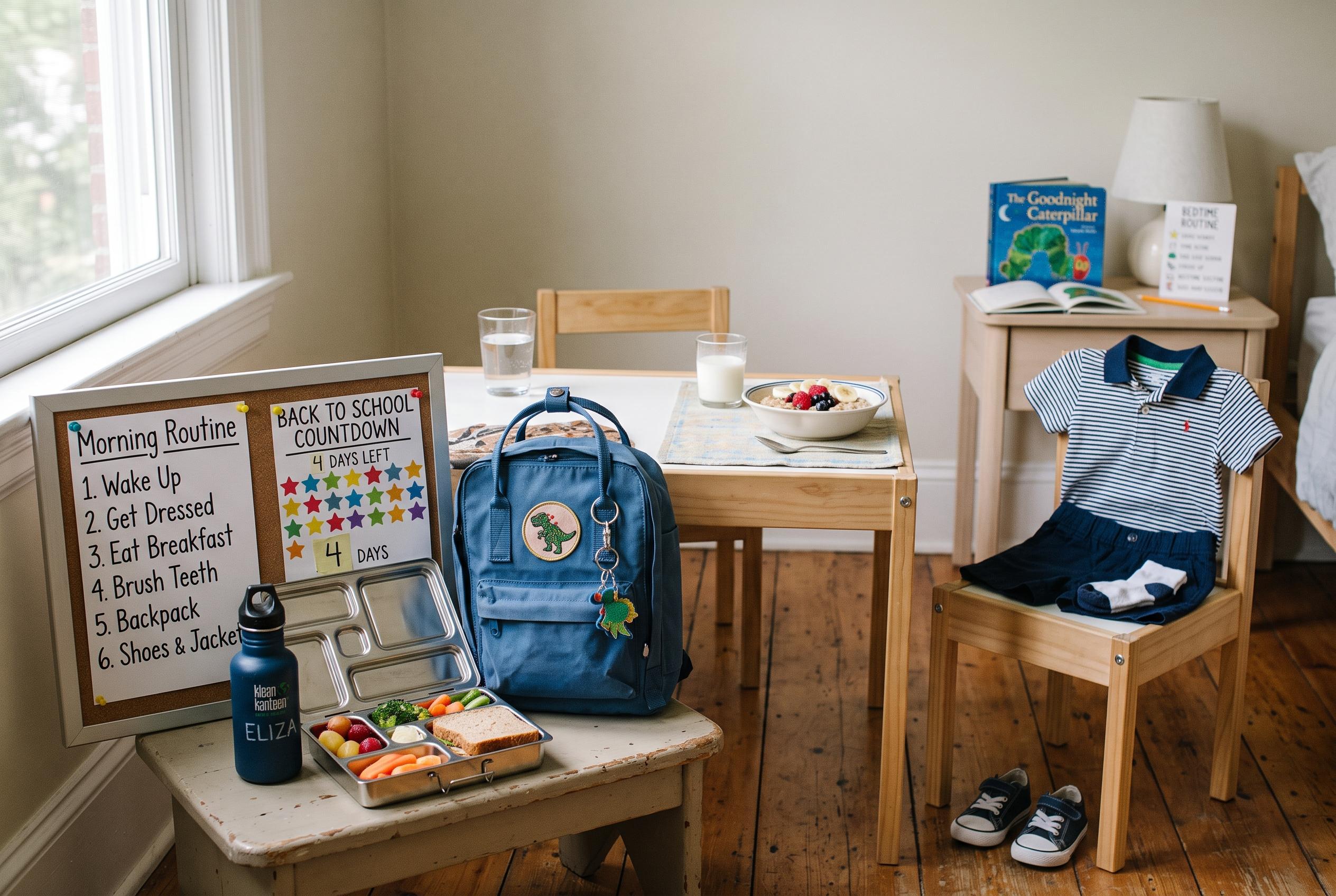

Egyptian psychiatrist Sally El Sheikh highlights the importance of routines, reassurance, and reducing social pressure to help children adjust to the new school year smoothly, supported by advice from health and education authorities worldwide.
Family routines and calm encouragement can make the return to school easier for children, particularly when parents start preparing them well before the first day, according to Egyptian psychiatrist Sally El Sheikh, who said the home should lead with reassurance rather than pressure. Speaking on the Extra News programme “This Morning”, she said children should be told that school does not mean giving up play, sport or hobbies, and that gradual preparation helps the transition feel less abrupt.
Her advice aligns with guidance from the Cleveland Clinic, which recommends resetting sleep patterns, rehearsing morning routines and discussing back-to-school worries in advance. The clinic says children are more likely to settle in smoothly when parents practise the day’s rhythm early and involve them in small decisions, such as choosing supplies or planning meals, so the school year feels familiar rather than sudden.
El Sheikh also warned against comparing children with classmates over bags, stationery or other school items, saying families should help children understand that households have different budgets and priorities. That emphasis on reducing social pressure is echoed by the CDC, which advises parents to encourage positive self-talk and build children’s confidence through routine and connection rather than comparison.
She said some anxiety at the start of term is normal, and parents can often ease it by staying calm, accompanying younger children into school and offering steady reassurance. But she added that symptoms such as panic attacks, a racing heartbeat, shortness of breath and sweating may point to a more serious issue that needs specialist help. Other parenting guidance from PBS KIDS, Scholastic and Georgia Public Broadcasting likewise stresses acknowledging emotions, setting realistic goals and helping children feel secure as they begin a new school year.
Disclaimer: This content is for informational purposes only and is not intended to be a substitute for professional medical judgment, advice, diagnosis, or treatment.