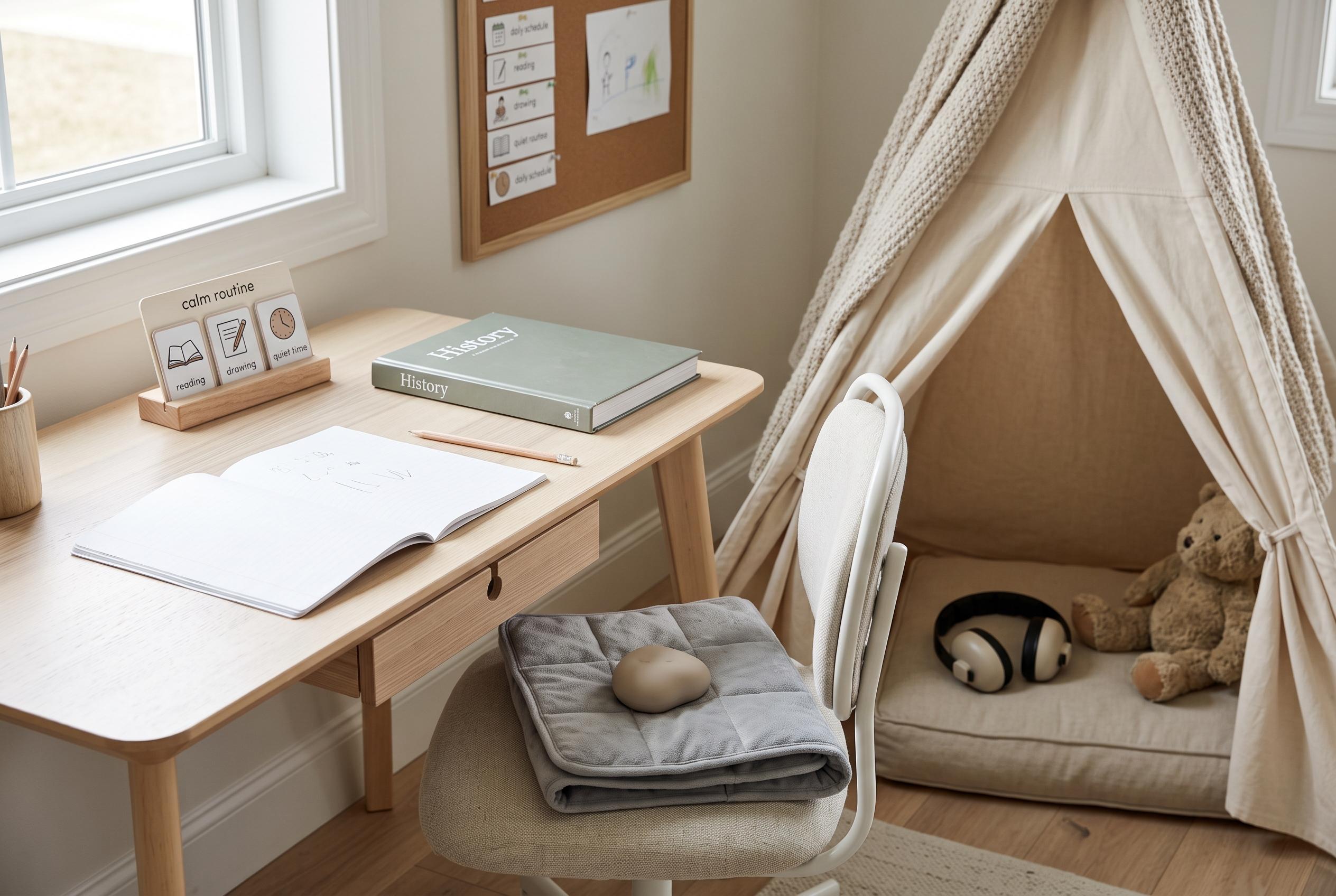

A quiet child may be overwhelmed rather than indifferent. Experts stress the importance of recognising withdrawal as a sign of stress and providing supportive routines to help sensitive children feel safe and understood.
A child who goes silent is not always a child who is fine. Parents often know what a meltdown looks like: shouting, tears, slamming doors or thrown objects. The harder behaviour to spot is the child who barely reacts at all. According to Psychology Today, quiet withdrawal can be another form of overwhelm, one that is easy to mistake for defiance, indifference or stubbornness.
That stillness can show up in everyday scenes: a child staring at the floor after a poor test result, a teenager falling silent after being embarrassed, or an older child shutting down over homework and refusing to continue. Psychology Today says these moments often reflect anxiety, self-doubt and a fear of making mistakes rather than a lack of care. What looks like detachment on the outside may be a nervous system under strain.
The article argues that children tend to respond to stress in different ways. Some become loud and impulsive. Others pull back. A third group appears frozen, with blank expressions and little movement. Parents may overlook this last response because it creates less disruption, but the underlying distress can be just as strong. The piece links that response to highly sensitive children, who can be deeply perceptive and easily overstimulated, and says they often do best with calm, predictable routines and reassurance rather than pressure.
The practical lesson for parents is to notice what may be happening before the silence. Psychology Today recommends curiosity over correction, with language that acknowledges difficulty without escalating the moment. That approach does not mean lowering standards or excusing disrespect. It means recognising that some children need help feeling safe enough to talk before they can solve the problem in front of them. For parents, the quiet child may be the one working hardest to keep it together.
Disclaimer: This content is for informational purposes only and is not intended to be a substitute for professional medical judgment, advice, diagnosis, or treatment.