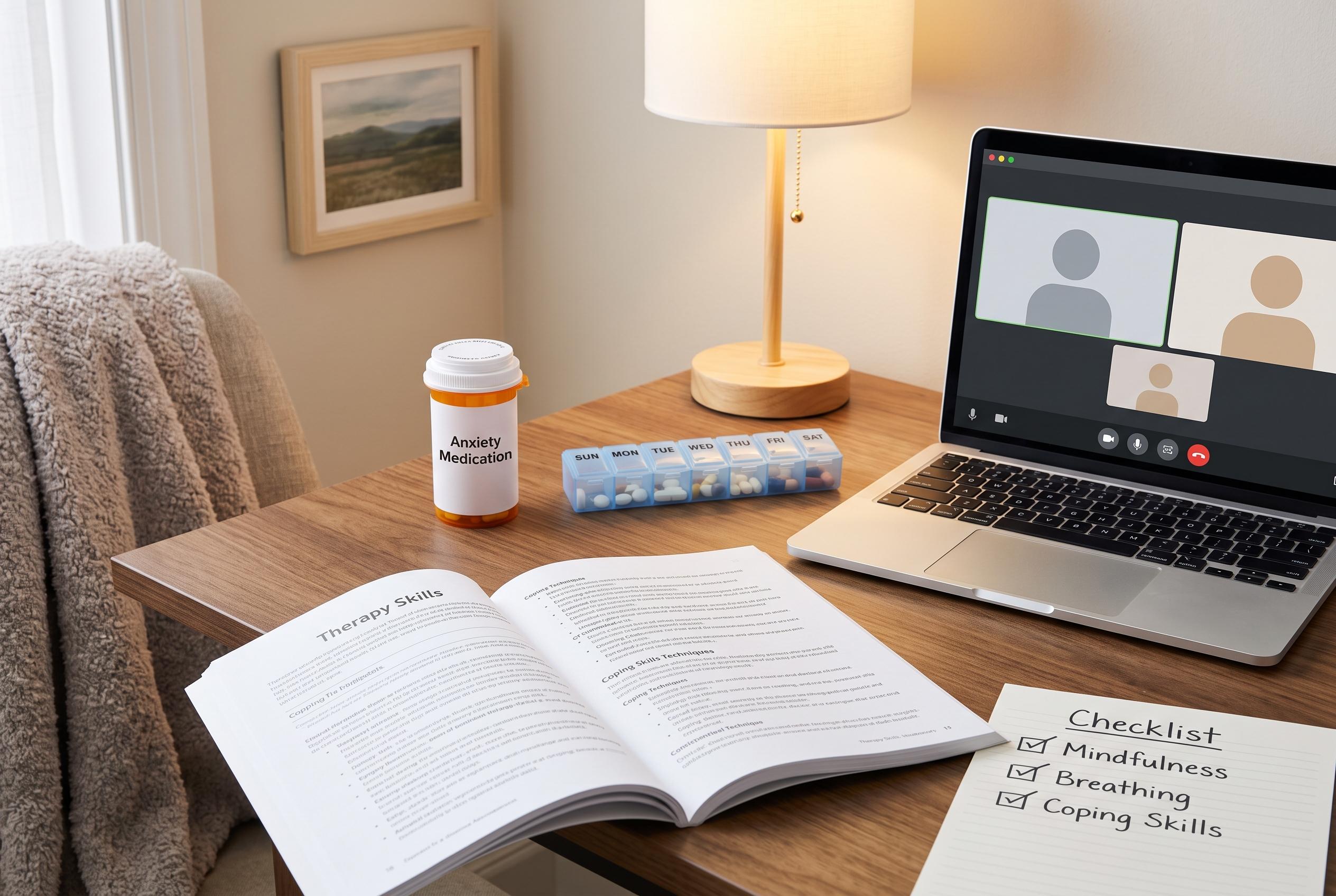

A comprehensive approach to teen anxiety highlights the importance of medication combined with therapy, amid evolving evidence and cautious safety monitoring.
For many teenagers, anxiety is more than nerves before a test or a social event. When symptoms start disrupting school attendance, sleep, friendships, or family life, medication can become part of a broader treatment plan rather than a last resort. In adolescent care, clinicians often look at how severe the symptoms are, how much daily functioning has been affected, and whether therapy alone has brought enough relief.
That decision is usually made after a psychiatric assessment, not by a therapist alone. A full evaluation typically considers the teen’s mental health history, medical background, school functioning, family circumstances, and whether other conditions such as depression, ADHD, obsessive-compulsive disorder or trauma-related problems may be present. Screening tools can help guide the process, but they do not replace clinical judgement.
Parents are often surprised by how limited the formal approvals are. According to the article’s review of current FDA indications, duloxetine is approved for generalised anxiety disorder in children and adolescents aged seven to 17, and escitalopram is approved for the same condition in those aged seven and older. Other medicines frequently used in practice, including sertraline, fluoxetine and fluvoxamine, are approved for obsessive-compulsive disorder in younger patients rather than for anxiety itself. That does not make their use inappropriate; it means clinicians are often relying on evidence from studies and long-standing paediatric practice when they prescribe off label.
Selective serotonin reuptake inhibitors, or SSRIs, remain the usual first choice for teen anxiety because they are the best studied and are generally well tolerated. If one SSRI does not help or causes side effects, a prescriber may try another SSRI or move to a serotonin and noradrenaline reuptake inhibitor such as duloxetine or venlafaxine. More sedating drugs, including benzodiazepines, are rarely used in adolescents because of dependency concerns. Side effects, when they occur, most often show up early and may include nausea, headache, restlessness, sleep disturbance or appetite changes.
Safety monitoring is essential, especially at the start of treatment and after dose changes. The FDA warns that antidepressants can increase the risk of suicidal thoughts and behaviour in children, teenagers and young adults, so families should expect close follow-up rather than a simple prescription-and-wait approach. Clinicians also screen for bipolar disorder before starting treatment, because antidepressants can worsen manic symptoms in vulnerable patients. At home, parents often help with reminders and dose tracking, particularly for younger teens who are still building routine and independence.
The evidence also suggests that medication works best when it is paired with therapy. Research cited in the article found that the combination of cognitive behavioural therapy and sertraline helped more young patients than either treatment alone. That fits the practical reality of teen anxiety: medication may lower the intensity enough for a young person to use coping skills properly, while therapy builds the habits and confidence that last longer term. For families who feel they have already tried everything, the next step is often not giving up, but adjusting the plan.
Disclaimer: This content is for informational purposes only and is not intended to be a substitute for professional medical judgment, advice, diagnosis, or treatment.