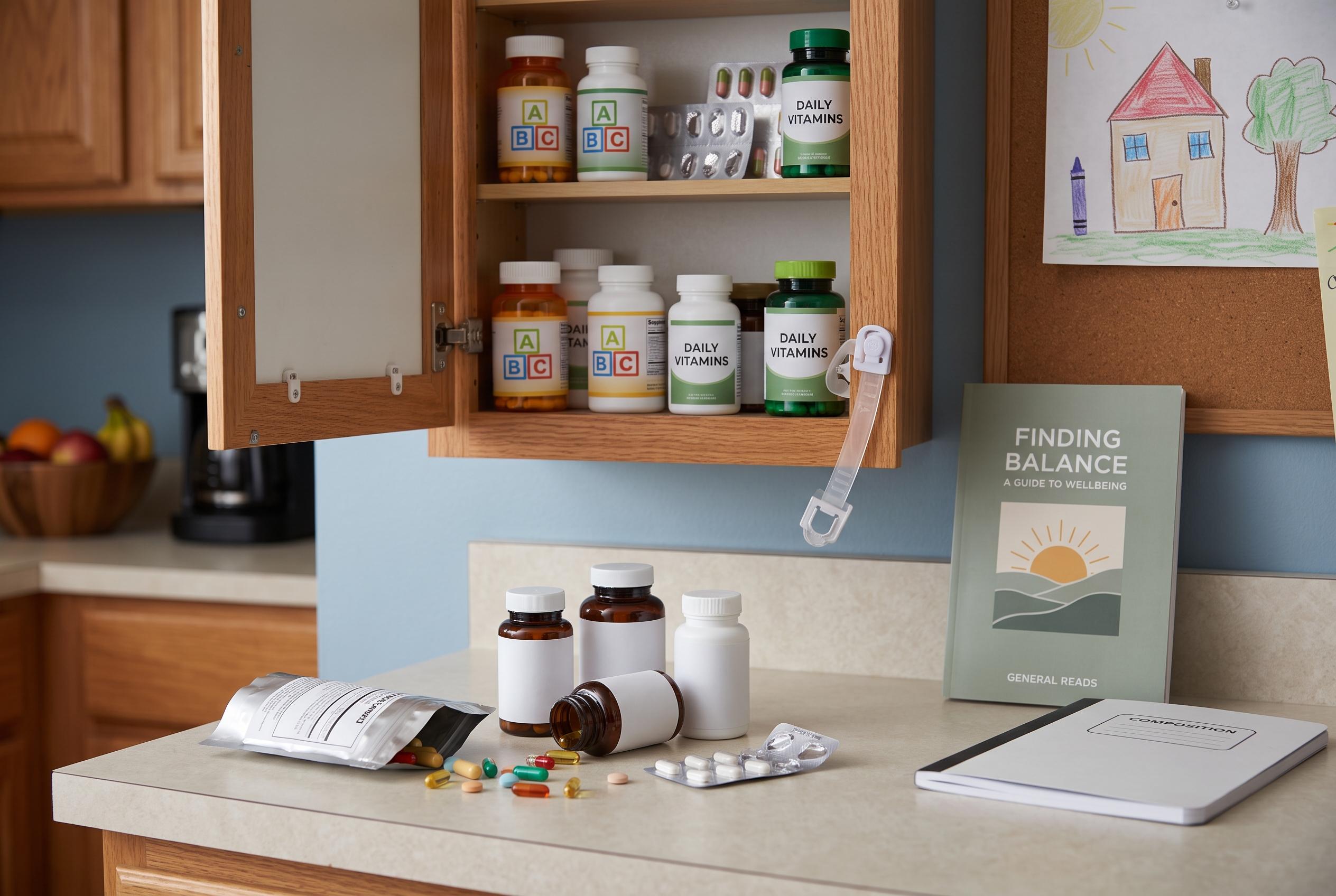

A recent national study indicates that most children hospitalised for vitamin and mineral poisoning are teenagers engaging in intentional self-harm, highlighting the need for safer supplement storage and increased mental health support.
A national study of children hospitalised for vitamin and mineral poisoning suggests the problem is driven more by self-harm than by accidental exposure. Researchers reviewing federal inpatient data for 2016, 2019 and 2022 identified 1,961 children admitted with vitamin or mineral toxicity, and 56% of cases followed intentional ingestion. Teenagers aged 13 to 17 accounted for 57% of admissions, while girls made up 73% of patients. The findings, presented at the Pediatric Hospital Medicine 2026 meeting in Kansas City, point to adolescent distress rather than a simple supplement-safety issue.
The pattern stands in contrast with many other paediatric ingestion cases. A 2022 report from the US Centres for Disease Control and Prevention on melatonin found a sharp rise in young children’s ingestions, most of them unintentional and occurring at home. Other research has also shown that vitamin D overdoses in young children are often accidental, while still requiring prompt recognition and monitoring. Taken together, the studies suggest that age matters: accidental exposures are common in toddlers and preschool children, but intentional use of supplements becomes more prominent in adolescents.
The Baylor College of Medicine researchers said the study only captured cases linked to toxicity codes, so it likely missed some exposures. They also stressed that discharge data cannot prove intent in every case. Co-author Christina Abi Kheir said some children may have taken large amounts for perceived health or appearance benefits rather than in a suicide attempt. Even so, the hospital stays were not minor. About a third involved very severe illness, and the median length of stay increased from three days in earlier years to four days in 2022, with the most serious cases often lasting more than a week.
The public-health message is straightforward. Supplements should be stored like medicines, especially in homes with children or teenagers who have mental health concerns. That advice matters because vitamins and minerals are often left on counters or in drawers, where they can be taken in a moment of crisis. Research on adolescent ingestions at a tertiary paediatric centre has found that most were intentional suicide attempts, and authors there called for better screening and clearer guidance for caregivers on safe storage.
Parents should also treat the study as a reminder to ask direct questions when a teenager seems withdrawn, irritable or hopeless. Warning signs can include changes in sleep, appetite or school performance, giving away possessions and losing interest in friends or activities. Families worried about a child should contact a paediatrician, and in the US the 988 Suicide and Crisis Lifeline is available by call or text at any time. For any suspected ingestion, Poison Control can provide free, confidential advice around the clock.
Disclaimer: This content is for informational purposes only and is not intended to be a substitute for professional medical judgment, advice, diagnosis, or treatment.