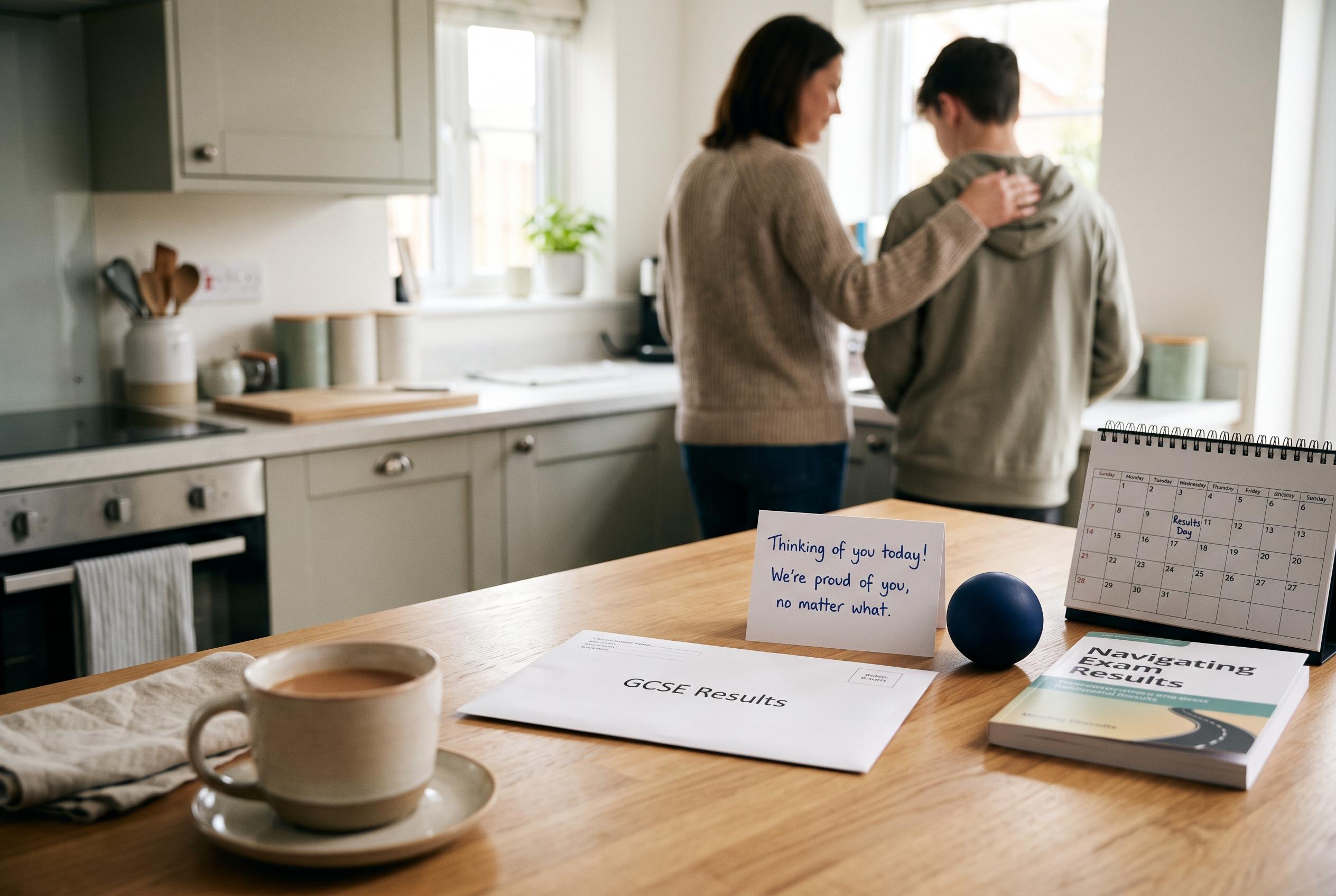

As GCSE results day approaches, experts urge parents to minimise pressure and provide reassurance, helping teenagers manage anxiety amid concerns over potential disappointment and future steps.
GCSE results day can feel distant for months, then suddenly it is almost here. For families waiting on exam envelopes, the final stretch often brings a mix of relief, anticipation and worry. The anxiety is not only about grades, but about next steps, friendships and the fear of letting people down.
Parents often feel it too. After weeks of revision, mock exams and the final papers in June, there is nothing more to do but wait. That can make the build-up harder, especially for teenagers who have spent days replaying awkward questions and comparing notes with friends.
The NHS says exam stress in children and young people can show up as anxiety, irritability, sleep problems, changes in appetite and low mood. It advises parents to keep communication open, encourage relaxation and maintain a balanced routine rather than turning the run-up to results into a constant discussion about grades. YoungMinds gives similar advice, saying parents should watch for signs such as changes in mood, sleep and eating habits, and seek support if stress becomes overwhelming.
One of the most helpful things parents can do is avoid repeatedly asking whether their teenager is worried. Many young people do not want to be reminded about results every time they sit down for a meal or switch on the television. Letting them bring it up in their own time can reduce pressure and give them space to process what they are feeling.
It also helps if parents do not layer their own anxiety on top of their child’s. It is natural to think about predicted grades, college places and sixth-form entry requirements, but reassurance works best when it is honest. Instead of promising a particular outcome, it is often better to say that whatever happens, the family will work out the next step together.
Keeping the days before results fairly ordinary can also take some of the sting out of the wait. The morning itself does not need to become a major event unless the teenager wants it to. Some will want to collect results with friends, others will want a parent there, and some will prefer to keep things low-key. Giving them control over that choice can make a day built around uncertainty feel a little more manageable.
It is sensible to think through the practical options in advance without turning the conversation into a list of worst-case scenarios. If a grade falls short, there may still be room to appeal, review a paper, resit a subject or adjust post-16 choices. The National Careers Service says students and parents can get advice on what to do if results are not what they expected, while Childline encourages young people to talk through their options and rebuild confidence if the day goes badly.
Parents should also be alert to the difference between ordinary nerves and something more serious. The NHS says anxiety can become a problem when it is intense, worsening or begins to affect everyday life. If a teenager is not sleeping, is eating badly, is withdrawing from friends or seems persistently low, it may be time to seek extra help from a GP, school staff or a support service rather than waiting for results day to pass.
For families who need it, support is available. The NHS offers guidance on exam stress and anxiety in children and young people. YoungMinds has advice for parents and a helpline on 0808 802 5544. Childline offers confidential support for under-19s on 0800 1111. The National Careers Service exam results helpline is 0800 100 900.
Results day can feel enormous in the moment, but it is rarely the final word on a young person’s future. If the grades are better than hoped, there is reason to celebrate. If they are disappointing, there are usually still ways forward. For parents, the most useful role may be the simplest one: stay calm, listen first and make sure a teenager knows they will not face the next step alone.
Disclaimer: This content is for informational purposes only and is not intended to be a substitute for professional medical judgment, advice, diagnosis, or treatment.