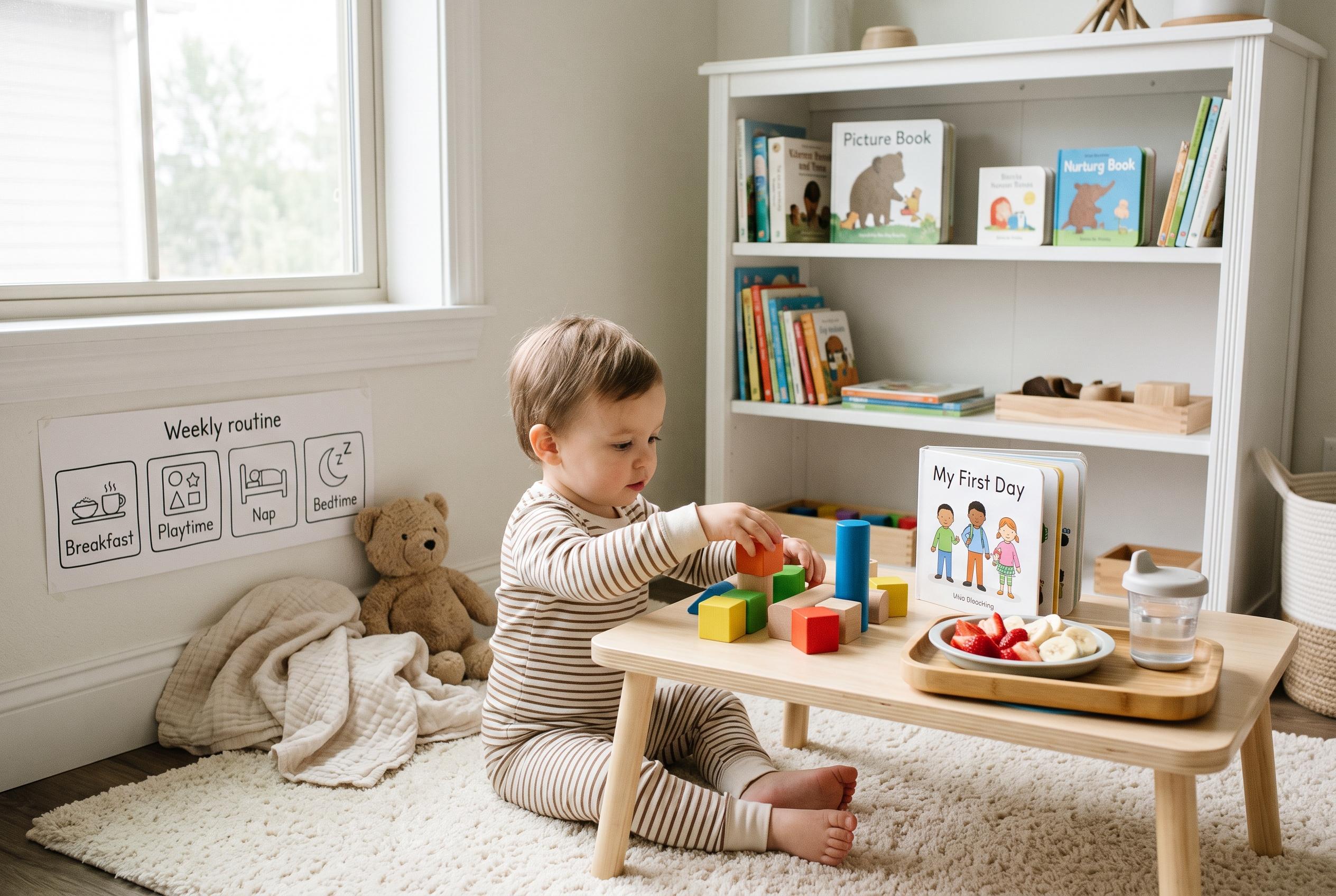

Emerging evidence underscores how experiences before age five profoundly influence future learning, behaviour, and health, emphasising the crucial role of nurturing routines and environment in early childhood.
Parents are often told that the earliest years of life matter, but the scale of that importance is easy to underestimate. Research from the Centers for Disease Control and Prevention, Harvard University and the American Academy of Pediatrics shows that brain development is especially rapid before age five, with early experiences helping to set the groundwork for learning, behaviour and health later on. In practice, that means the ordinary routines of infancy and toddlerhood matter more than many families realise.
According to Harvard’s Center on the Developing Child, the brain is built through a process of simple connections developing first and more complex circuits coming later. In the first few years of life, more than one million new neural connections form every second, and by age three the brain has already reached most of its adult size. The CDC says brain growth begins before birth and continues through early childhood, with the first eight years laying a foundation for future success.
What shapes that growth is not just biology, but the environment surrounding the child. The American Academy of Pediatrics says nurturing, responsive relationships help build the architecture that supports language, emotional control and problem-solving. UNICEF USA similarly notes that early experiences can leave a lasting mark on health, learning and behaviour, which is why everyday interactions such as talking, reading and responding to a child’s needs carry so much weight.
That does not mean parents need expensive programmes or constant stimulation. A stable, language-rich home, predictable routines and calm support during frustration can all help young children build strong neural pathways. The CDC also points to nutrition, exposure to toxins and the quality of caregiver interaction as important factors, while research published in Child Development stresses that early experiences work together with genetics to shape development over time.
Experts caution, however, against treating the first five years as the only period that matters. The brain remains adaptable well beyond early childhood, and later support can still make a real difference. Even so, the evidence consistently shows that it is easier to build a strong start early than to repair gaps later, which is why the quality of care in those first years has such lasting importance for families.
Disclaimer: This content is for informational purposes only and is not intended to be a substitute for professional medical judgment, advice, diagnosis, or treatment.