
Recent letters to Slate’s Care and Feeding column highlight the ongoing debate over the effectiveness of gentle parenting, highlighting conflicts over boundaries, discipline, and online influences on teenagers. Experts emphasise the importance of warmth combined with structure for healthy child development.
Slate’s Care and Feeding column this week set out two family disputes that turn on how parents draw boundaries, and on what happens when relatives decide those limits are not being respected. In one letter, a grandmother complained that her daughter and son-in-law were raising a three-year-old through “gentle parenting” and that the child had become impossible to manage. After a stay with grandparents during an emergency, the child was put in time-out and held to household rules, then later accused the grandparents of being mean. The columnist’s answer was less sympathetic to the grandmother’s outrage than to the need for steadiness, arguing that the child was not a villain but a toddler in need of clearer guidance.
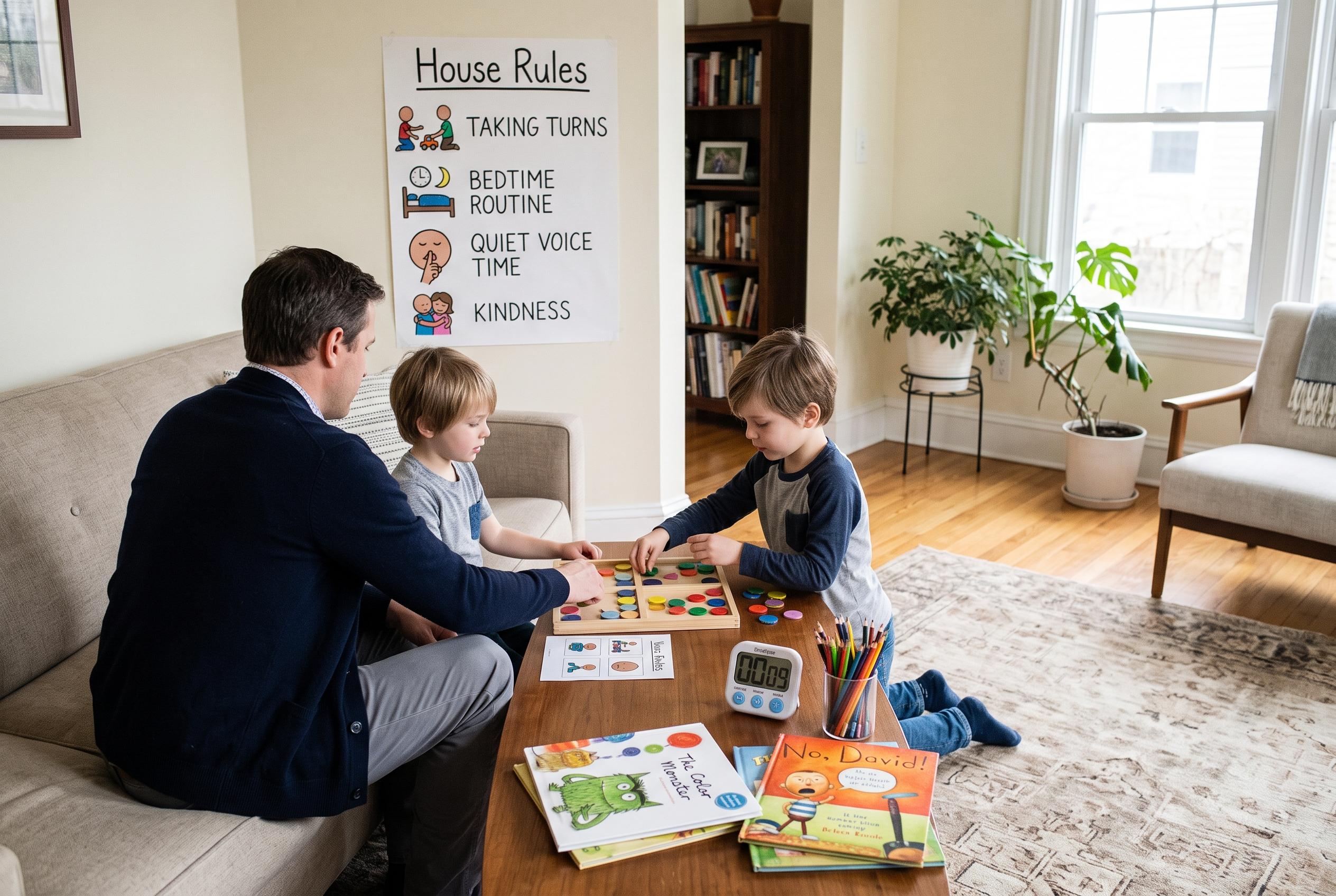
That exchange reflects a broader debate about a phrase that is often used loosely. As Simply Psychology and ParentData explain, gentle parenting at its best is not softness without limits, but a version of authoritative parenting: warm, responsive, and firm. The evidence base supports emotional validation, consistent boundaries and discipline as teaching rather than punishment. What the research does not support is permissiveness disguised as kindness. In practice, critics say, the label can drift into a hands-off approach that leaves children without structure, while supporters argue that the method only works when adults stay calm, predictable and consistent.
The same issue of control and consequence also ran through a second letter about a family argument involving teenage cousins. One girl was shoved after an accident in the kitchen, and her sister responded by hitting the boy, chipping a tooth. The columnist took a hard line that the boy, who had used a vile misogynistic slur and put his hands on his cousin first, had brought the confrontation on himself. The advice also warned the boy’s parents about the dangers of manosphere ideology, the online culture that pushes grievance, sexism and contempt for women, and urged the family to keep distance until the boy’s behaviour changes.
Taken together, the letters point to a common thread: parenting styles may differ, but children still need limits, and relatives should be careful not to substitute outrage for practical solutions. The Guardian has reported on the recent rise of so-called “Fafo” parenting as a backlash against gentle parenting, but critics say fear and humiliation can damage trust as much as overindulgence can damage discipline. The more durable lesson from the research is simpler: children usually do best when adults combine warmth with structure, and when family disputes are handled with consistency rather than score-settling.
Disclaimer: This content is for informational purposes only and is not intended to be a substitute for professional medical judgment, advice, diagnosis, or treatment.