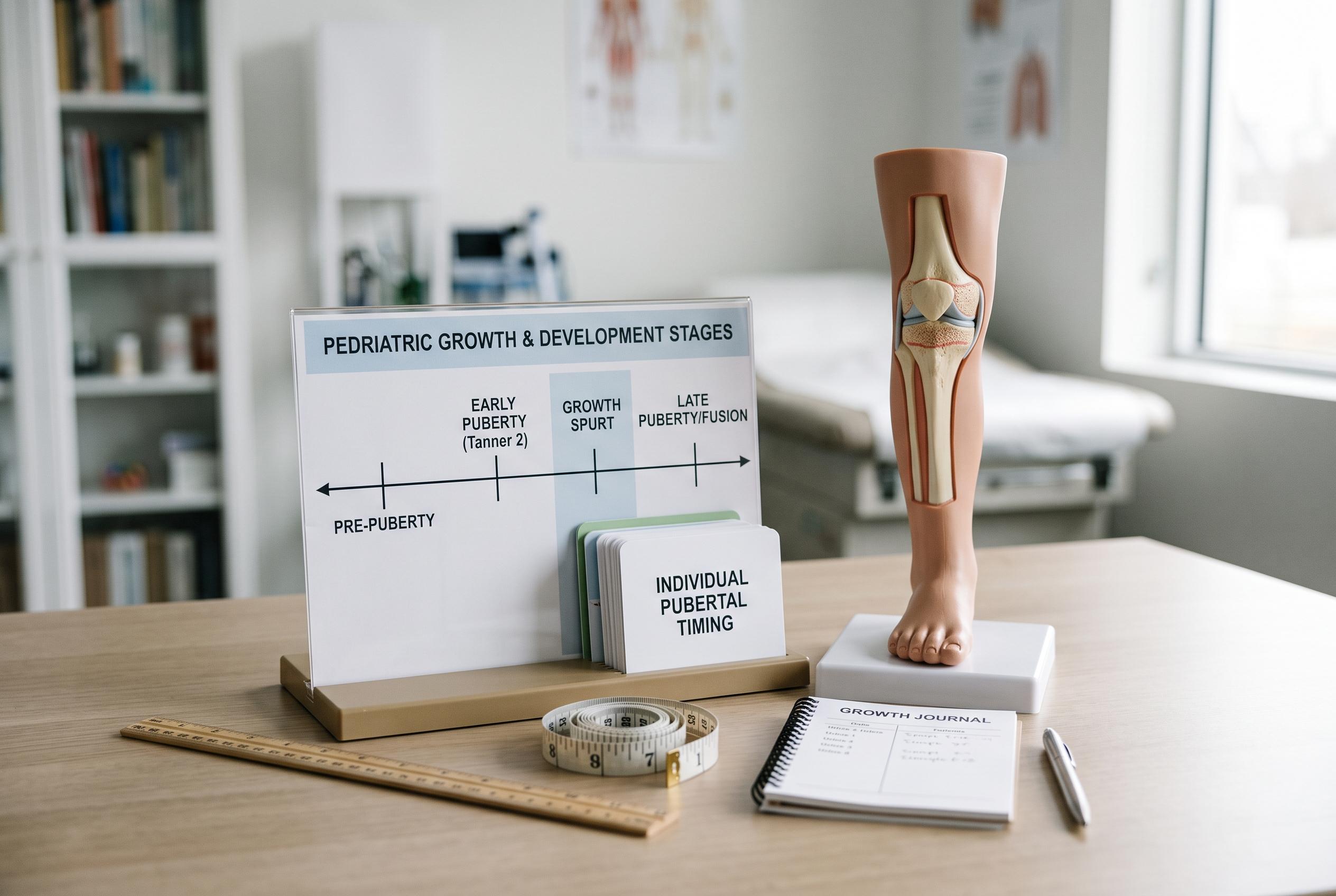

Dr Park Seung-chan highlights that early intervention based on pubertal stage is vital for children aiming to maximise height, emphasising the importance of recognising individual growth timelines before growth plates fuse.
Parents often assume height is mainly a matter of eating well, sleeping enough and keeping active. Dr Park Seung-chan, director of Haiki Han Clinic, argues that timing matters just as much. In a recent article, Park said the mistake many families make is waiting too long, only to realise years later that the best window for action has already passed.
The reason lies in the growth plates, the cartilage zones at the ends of long bones that allow a child’s body to lengthen. As children move through adolescence, those plates gradually harden into bone. Once that happens, further height gain in the same bones is no longer possible. Park said this is the only irreversible change in the height-growth process, which is why he sees urgency as central to treatment.
The timing of closure is closely tied to puberty, according to medical explanations from Duke Health and other educational sources. As oestrogen and other hormonal changes intensify towards the end of puberty, growth plates begin to fuse. That does not happen at exactly the same age for every child, but it typically occurs earlier in girls than boys. Educational sources say girls often finish growing between about 13 and 15, while boys usually stop later, often between 15 and 17, though some growth may continue into the late teens.
Park also stressed that age on a calendar can be misleading. Two children in the same school year may be at very different stages of pubertal development, meaning one may have far less growth left than the other. A child who is already entering puberty early may appear tall for age but stop sooner, while a later developer may remain short for longer before growing for a more extended period. For parents, the lesson is that height is not just about how much effort they put in, but when they begin.
Disclaimer: This content is for informational purposes only and is not intended to be a substitute for professional medical judgment, advice, diagnosis, or treatment.