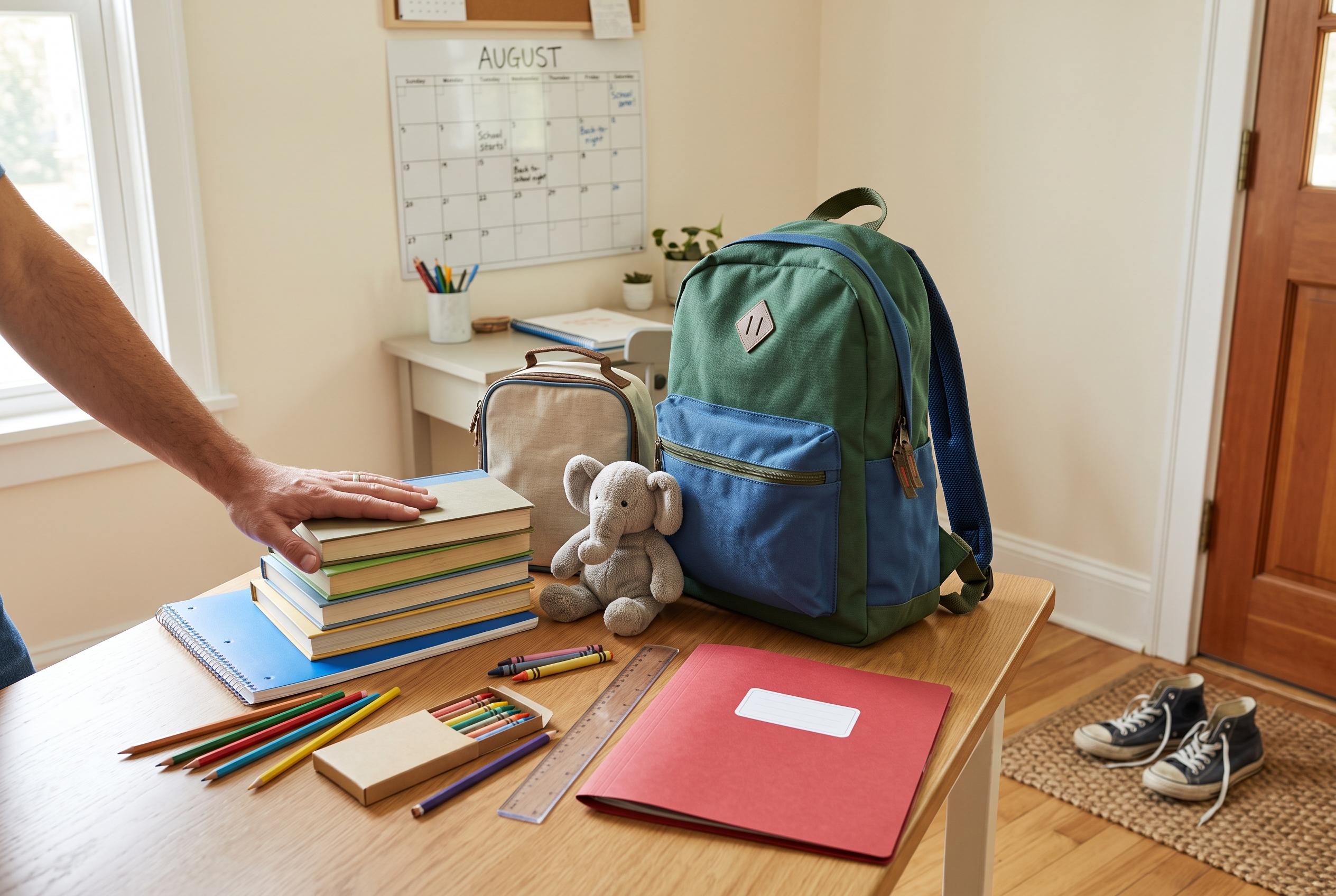

As children settle into a new school year, recognising normal adjustment behaviours versus signs of deeper struggles can help parents and teachers support children’s wellbeing during this challenging period.
The first weeks of a new school year can unsettle even the most easy-going child. Parents often see tears at pick-up, sudden clinginess, short tempers or complaints about sore stomachs and headaches, and teachers say much of that is part of the normal settling-in period. Woman’s World, drawing on educators and paediatricians, says the key is to separate short-lived adjustment from signs that a child is struggling more deeply.
A common pattern is for children to keep themselves together during the school day and then unravel at home. Understood, a non-profit focused on learning and thinking differences, describes this as “restraint collapse”, and it can affect any child who has spent hours managing new rules, new people and new expectations. Exhaustion also plays a role. PBS has reported that many children need several weeks to adapt fully to a new term, as they adjust to a new teacher, classmates and daily routine all at once.
Anxiety does not always look like worry. Johns Hopkins Medicine says back-to-school nerves can show up as irritability, school avoidance or a stronger need for reassurance, while Harvard Health notes that physical complaints such as headaches and stomachaches are also common. Sleep can be affected too, with children taking longer to fall asleep, waking earlier than usual or seeming more tired than expected. National Geographic has also pointed to tantrums, whining and clinginess as common ways children express stress when they cannot yet name it.
Most of these reactions settle as routines become familiar. A predictable schedule, enough sleep and some quiet time after school can help children recover from the effort of holding it together all day. Johns Hopkins Medicine recommends preparing children for the return to school in advance, including talking through the routine and visiting the school beforehand when possible. The aim is to make the transition feel known rather than abrupt.
What matters more than any single symptom is whether the pattern is easing or intensifying. The American Academy of Paediatrics, through HealthyChildren.org, says ongoing school refusal, persistent physical complaints tied to school days or anxiety that begins to disrupt sleep, friendships or the ability to leave home in the morning may need more attention. Harvard Health similarly advises parents to seek professional help when worry starts to interfere with daily life. If the behaviour fades after a few weeks, it is likely part of the adjustment. If it does not, it is worth asking for support early.
Disclaimer: This content is for informational purposes only and is not intended to be a substitute for professional medical judgment, advice, diagnosis, or treatment.