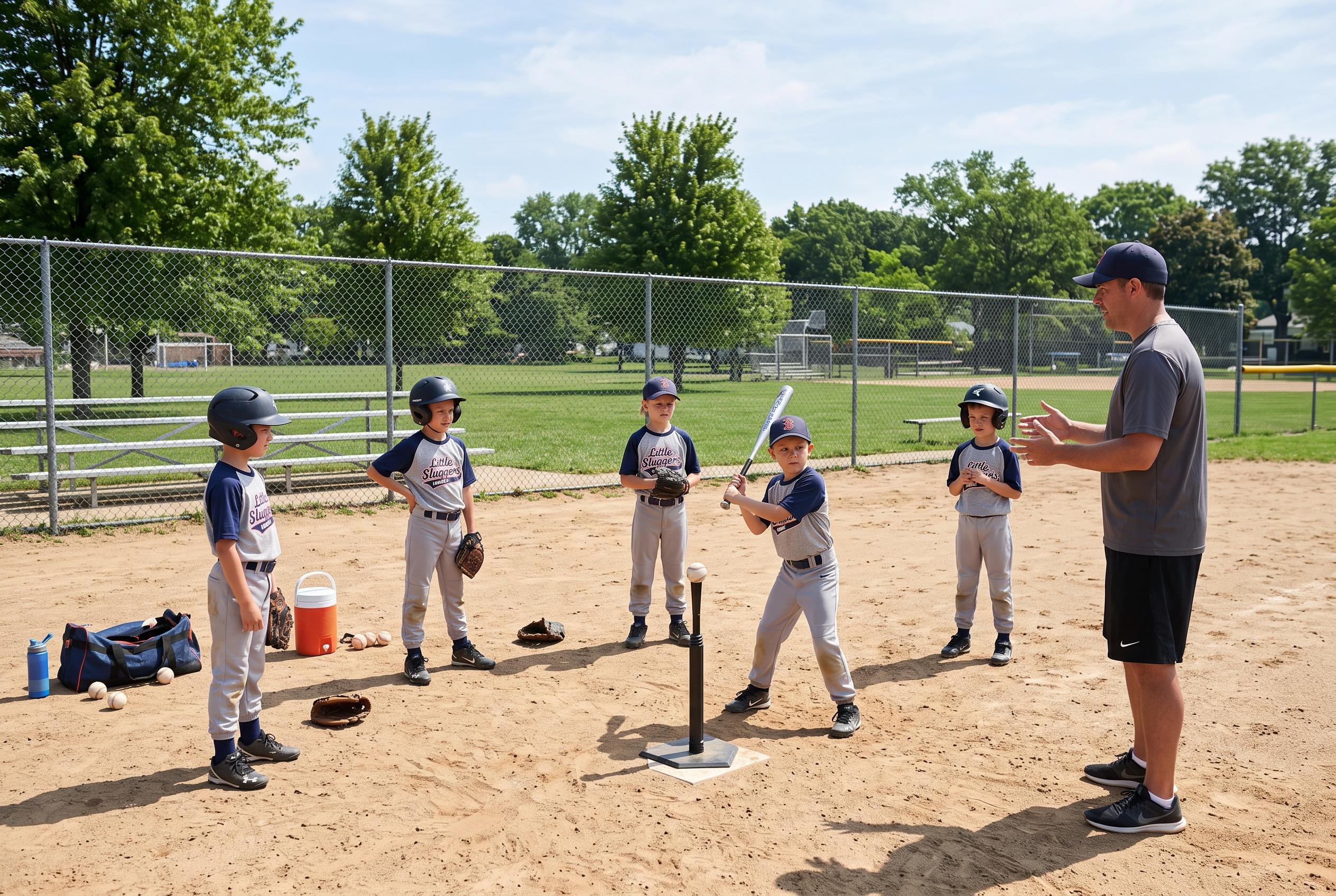

New insights suggest that brief, targeted baseball training, combined with supportive feedback and rest, help children improve skills, stay motivated, and enjoy the game without burnout, supported by recent psychological research and emerging technology tools.
Parents often want to speed up a child’s progress in baseball, but the most effective approach is usually not the most intense one. Research highlighted by the American Psychological Association suggests children are more likely to stay involved in sport when they can clearly see themselves improving. That sense of movement matters because it builds confidence, strengthens motivation and gives young players a reason to keep turning up.
That is why shorter, focused sessions often work better than long, repetitive ones. Psychology Today has argued that brief, targeted practice helps children stay concentrated and reduces the risk of burnout, while giving them a better chance to absorb one skill at a time. A 15- to 30-minute session at home can be more useful than an hour of unfocused drills if the child knows exactly what they are trying to improve.
The simplest way to keep practice purposeful is to choose one objective and stick to it. One session might focus on throwing accuracy, another on fielding ground balls or improving swing mechanics. Small, measurable goals make progress easier to spot. A parent can count clean catches, accurate throws or stronger contact at the plate, then compare those results with the previous week rather than with a teammate’s performance.
The way parents respond also matters. Constant technical criticism can make children more anxious and less willing to take risks. Supportive feedback works best when it is specific, calm and centred on effort and development. Questions such as “What felt better about that swing?” can help a child reflect on their own play, while praise for smoother footwork or more consistent throws reinforces behaviours they can control.
Rest is part of improvement too. Young athletes need time to recover physically and mentally, especially when they are balancing team training, games and other activities. Time away from baseball can help children return to the sport fresher and more eager to play, which often makes the next practice more productive than adding another session out of pressure.
Technology is also starting to play a bigger role in home training. AI-powered baseball apps can analyse swings, throwing motion and other mechanics using a smartphone or tablet, then suggest drills tailored to the player’s needs. Used well, those tools can make progress easier to track and practice more meaningful. But the aim remains the same: to help children improve without turning baseball into a burden, so they keep learning and enjoying the game for the long term.
Disclaimer: This content is for informational purposes only and is not intended to be a substitute for professional medical judgment, advice, diagnosis, or treatment.