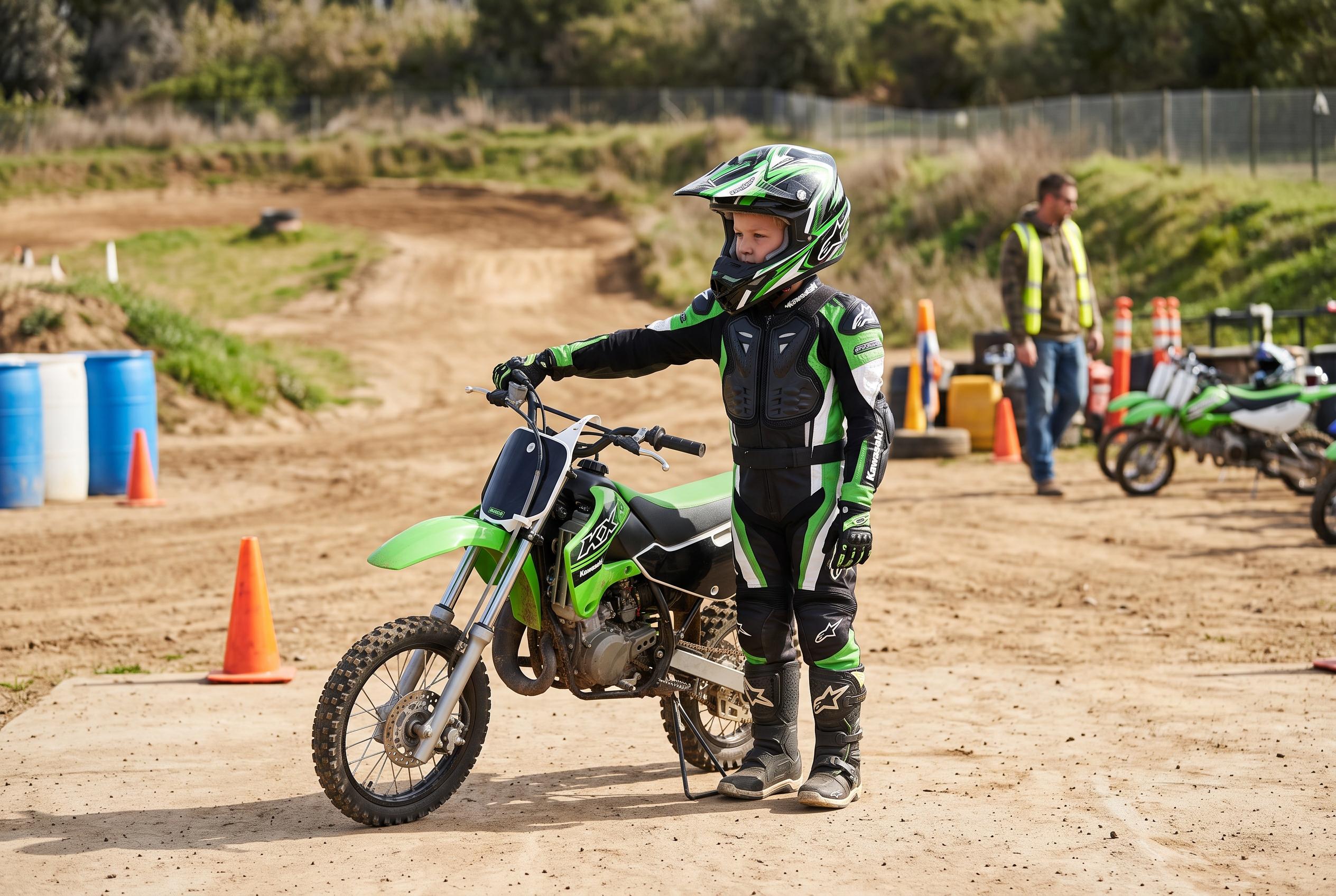

Ulrich advocates for a safety-first, measured approach to children’s racing, emphasising proper equipment, realistic progression and nurture over pressure, in a bid to foster resilience and joy in young riders.
John Ulrich argues that children who are determined to race will find a way to do it, so parents are usually better served by helping them do it as safely as possible. In his Roadracing World essay, he says the goal should not be to stop a motivated child, but to match that ambition with proper equipment, realistic expectations and sensible supervision.
Ulrich draws a clear line between children who truly want to compete and those who do not. He says some youngsters are naturally drawn to racing from an early age, while others will never embrace it, no matter how much pressure is applied. Mini-club events on kart tracks, he says, can be a useful entry point, giving young riders a structured place to learn discipline, punctuality and the basics of competition. That emphasis on preparation fits with modern youth-safety guidance from helmet testers and karting gear suppliers, which stresses that fit, comfort and age-appropriate equipment matter as much as enthusiasm.
He also insists that racing should sit alongside education, not replace it. Ulrich says very few children will turn motorcycle racing into a career, so schoolwork and a practical back-up plan remain essential. That message aligns with broader youth motorsport safety culture, where organisations and retailers increasingly focus on full protective kits for children, from helmets and chest protectors to gloves, boots and body armour.
Ulrich’s central safety argument is that young riders get hurt whether they race or not, so the real question is how to reduce the risk. He recalls childhood accidents away from the track to underline that danger is part of life, but says race bikes should still be built and maintained to the highest standard. Brakes, throttles, chains and tyres, he writes, should all be dependable before anyone worries about speed. That view echoes the advice found in current youth helmet and karting-gear buying guides, which place a premium on proper fit, reliable protection and equipment that young riders will actually wear.
He is equally wary of rushing a child through the classes. Moving from small minibikes to a 125cc Grand Prix machine, and then to a far heavier and faster 600cc superbike, is a huge leap in every respect, he says. Ulrich argues that many successful riders benefit from spending enough time in each category to build consistency, rather than being pushed on before they are ready. In that sense, kart-track racing and youth karting programmes can serve as a lower-pressure bridge, allowing children to develop racecraft before they face larger machinery.
Pressure, Ulrich says, is often the hidden problem. He believes children can put enough stress on themselves without adults adding to it by demanding wins or rapid progress. Big professional race weekends, in his view, can be especially difficult because parents may imagine a one-day audition for a career that is unlikely to materialise. He prefers club-level racing, where young riders can learn at a calmer pace and accept that some weekends will go well while others will not.
Ulrich also says finishing matters more than spectacular risk-taking. He describes riders who improved only after being told to stop obsessing over results and return to the enjoyment that first drew them to motorcycles. He contrasts that with another youngster whose stepfather kept insisting that every race was a make-or-break moment. Ulrich says that kind of pressure can poison the sport for a child. His message is reinforced by the wider motorsport charity and youth-racing world, where organisations such as Racing For Kids show how racing can support children without turning every outing into a career test.
For Ulrich, helping children race safely has also been a family story. He says he has scouted and supported numerous young talents, including his son, Chris Ulrich, who progressed from minibikes to national and professional racing before becoming a team manager. Ulrich says the best moments have been deeply personal, and that watching his own child succeed felt more rewarding than any result he achieved himself. His conclusion is simple: taking kids racing can be messy, expensive and emotional, but with the right attitude, it can also be a long lesson in discipline, resilience and joy.
Disclaimer: This content is for informational purposes only and is not intended to be a substitute for professional medical judgment, advice, diagnosis, or treatment.