
Recent fatalities of three toddlers in Queensland highlight the deadly consequences of low iron levels in young children, prompting calls for increased awareness and early intervention to prevent such tragedies.
The recent deaths of three toddlers in Queensland linked to low iron levels have put an uncomfortable spotlight on a problem that is usually far less dramatic but still important for parents to understand. According to the CDC, iron is vital for carrying oxygen around the body and also supports brain development and immune function. In early childhood, too little iron can affect growth, learning and behaviour if it is not recognised and treated.
Health experts say the earliest warning signs can be easy to miss because they overlap with ordinary toddler ups and downs. A child with low iron may seem tired, pale, irritable, less hungry, slower to grow or less lively at play. Mayo Clinic says some children also develop pica, a craving for non-food items such as dirt or paper. None of these symptoms alone proves iron deficiency, but they are worth discussing with a doctor or child health professional.
Doctors usually confirm the problem with a blood test rather than symptoms alone. Ferritin, which reflects iron stores, is commonly checked alongside haemoglobin to see whether the deficiency has progressed to anaemia. Experts note that a child can have depleted iron stores before anaemia appears, which is one reason early assessment matters. If parents are worried about diet, growth or energy levels, health professionals can decide whether testing is needed.
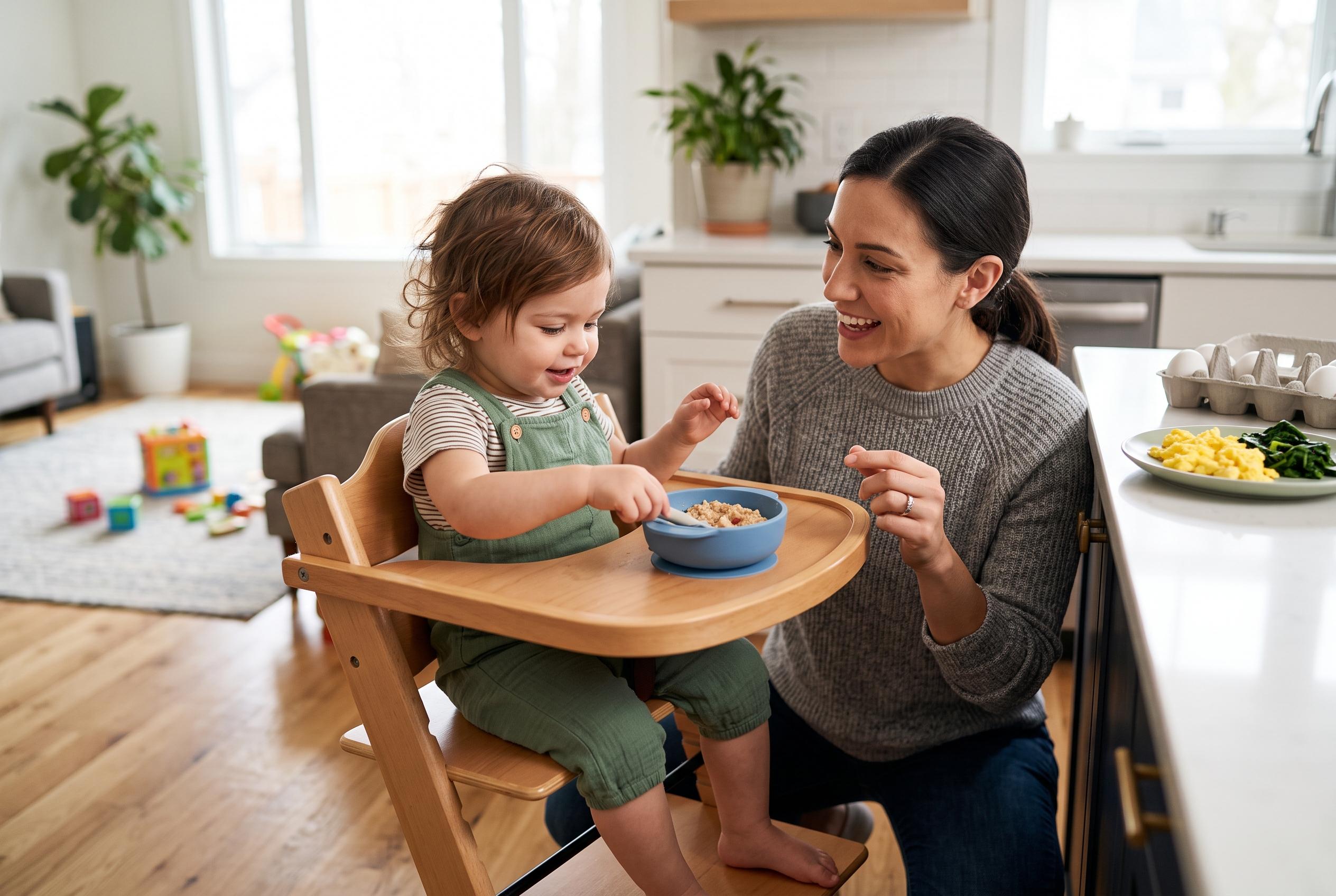
One of the biggest preventable risks is too much cow’s milk, which can displace iron-rich foods in a toddler’s diet. Australian guidance cited in the article recommends limiting cow’s milk to about 500 millilitres a day after 12 months of age. Iron can also be built in through everyday foods such as lean meat, chicken, fish, eggs, beans, lentils, tofu and iron-fortified cereals. Healthline also highlights pairing plant-based iron foods with vitamin C-rich fruit or vegetables, such as strawberries, kiwi fruit or bell pepper, to help the body absorb more iron.
Disclaimer: This content is for informational purposes only and is not intended to be a substitute for professional medical judgment, advice, diagnosis, or treatment.