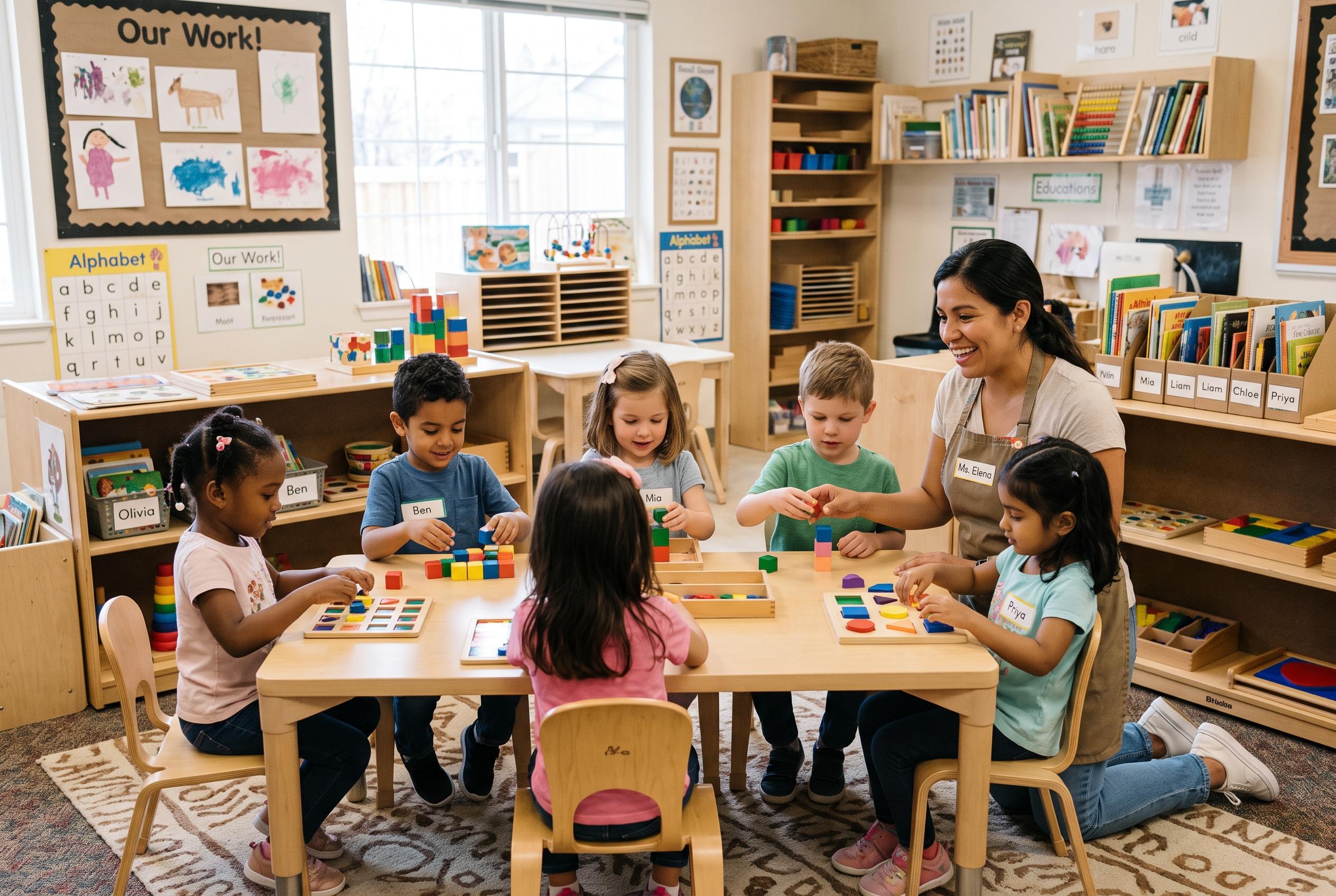

A long-term study of Miami-Dade pupils reveals that children attending public pre-kindergarten programmes with trained teachers and quality environments are more likely to succeed academically through high school, challenging misconceptions about early education.
A long-running study of Miami-Dade County pupils suggests that children who attend public pre-kindergarten are more likely to stay on track academically through high school than those cared for at home or in family-based settings. The research, published in Early Childhood Research Quarterly and reported by HealthDay, followed about 400,000 public school students from third grade into their late teens and found stronger test scores, better grades and lower rates of grade retention among pre-K attendees.
The findings add to a broad body of evidence that early education can shape later school outcomes. The Pew Charitable Trusts has said high-quality pre-K is linked with better academic performance, lower retention and higher graduation rates, while the County Health Rankings & Roadmaps programme notes that publicly funded pre-kindergarten can improve school readiness and support social-emotional development as well as achievement. Taken together, the research suggests that the gains are not limited to a small group of children but can extend across the wider school system.
Charles Bleiker, an associate professor at Florida International University, said in the university’s news release that the results challenge the idea that early education is merely supervised childcare. He pointed to the role of trained teachers and structured curricula, arguing that children benefit when adults in the classroom have formal preparation rather than relying on ad hoc care arrangements. The study found, for example, that pupils who attended public school pre-K had around 35 per cent lower odds of repeating third grade than those who had family-based childcare at age four.
The message for parents is less about choosing any setting labelled pre-K and more about finding one with consistency, qualified staff and a classroom environment that actively supports learning. Bleiker recommended looking for centres with low staff turnover, visiting in person, asking detailed questions and staying alert to whether a child seems to be thriving. Related research from the University of Michigan and Harvard has likewise found that pre-K effects can persist when programme quality is strong and when instruction in later grades builds on early learning rather than letting the gains fade.
Disclaimer: This content is for informational purposes only and is not intended to be a substitute for professional medical judgment, advice, diagnosis, or treatment.