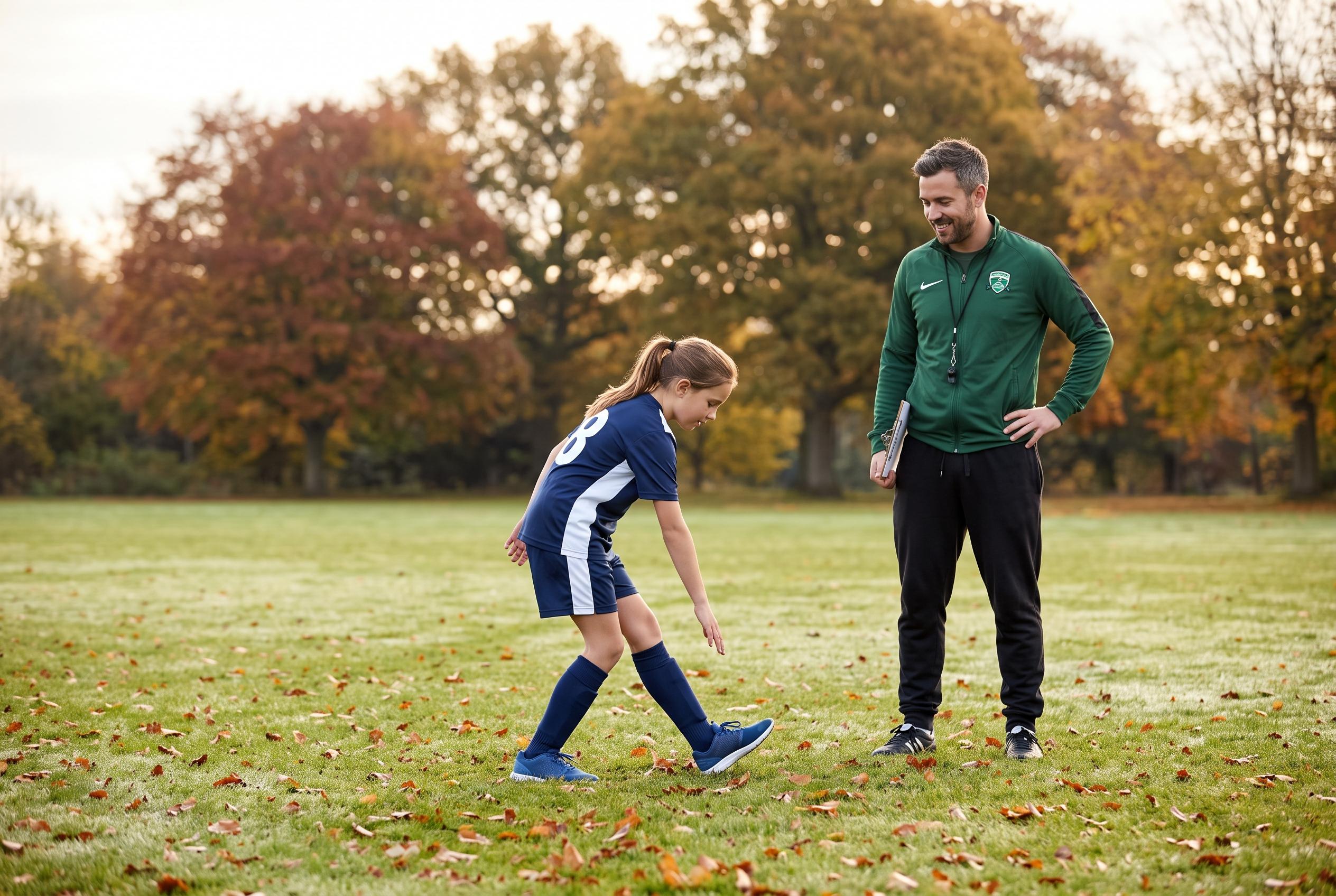

As autumn sports seasons commence, experts highlight the importance of recognising subtle concussion symptoms in children, promoting active recovery, and dispelling false safety products amidst growing concern over sports-related head injuries.
As autumn sports season gets under way, parents of young athletes are being urged to pay close attention to possible concussion symptoms after a hit, collision or whiplash injury. Marie Schaefer, a sports medicine specialist at Cleveland Clinic, said signs can emerge after contact that does not necessarily involve a direct blow to the head, but can also follow a hard impact that snaps the neck. Medical guidance from Mayo Clinic and Cleveland Clinic says symptoms may not appear for up to 72 hours.
Some signs are easy to spot, including headache, dizziness, nausea, confusion, sensitivity to light and slurred speech. But doctors say children and teenagers can also show subtler changes, such as feeling unusually foggy, dazed or even euphoric. HealthyChildren.org and Children’s Health note that younger children may be irritable or show changes in sleep, eating or behaviour rather than clearly describing how they feel.
Treatment usually starts with rest, but recent guidance has added a more active recovery approach for some patients. Schaefer said light activity can help, though not the kind of exertion that would put a child back into full sport. She described simple movement such as walking, using a stationary bike or getting outside with sunglasses and a hat as potentially helpful in recovery. That matches advice from Mayo Clinic and Cleveland Clinic that carefully managed light exercise may aid healing.
Experts also caution against products that claim to prevent concussion. Schaefer said such items have not been thoroughly studied and may create a false sense of safety. The CDC’s HEADS UP campaign says the best protection comes from proper equipment, good technique, strict enforcement of rules and clear education for coaches, parents and athletes. In practice, that means watching closely after any suspected injury and keeping a child out of play until they are medically cleared.
Disclaimer: This content is for informational purposes only and is not intended to be a substitute for professional medical judgment, advice, diagnosis, or treatment.