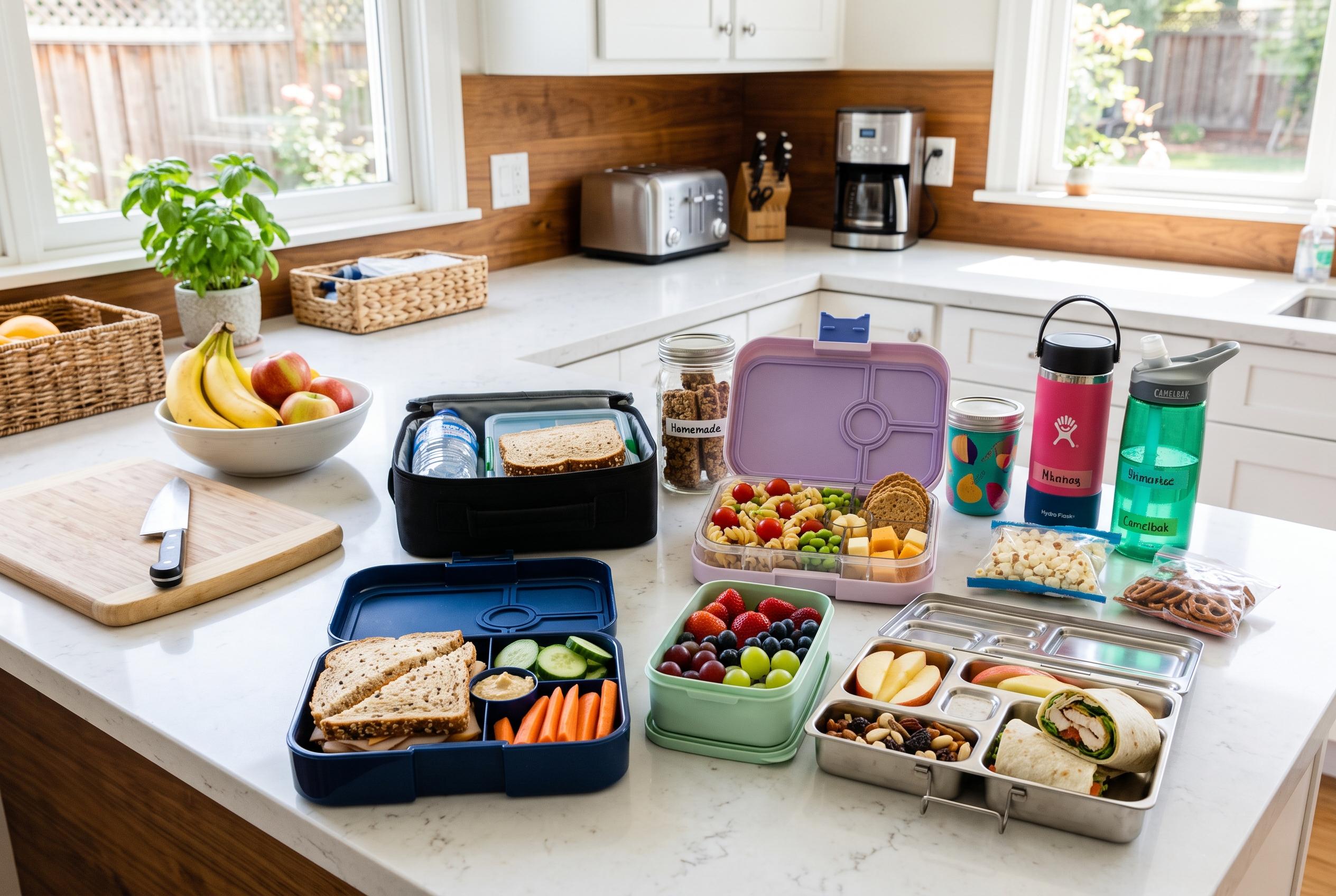

Parents can streamline school lunch preparations by focusing on simple, nutritious options and establishing a routine, ensuring children enjoy healthy, varied meals without morning stress.
The daily school lunch routine can feel deceptively demanding: not because packing a lunch is hard, but because it has to be done again and again, with enough variety to keep children interested and enough reliability to avoid half-eaten returns in the lunchbox. That is why a simple rotation of tried-and-tested combinations often works better than trying to invent something new every morning. GoodRx, Cleveland Clinic and other parenting and nutrition guides all make the same basic point: a balanced packed lunch is usually built around whole grains, fruit or vegetables and a protein source.
That balance does not have to be complicated. A wholemeal roll with chicken, cucumber and a little pesto mayonnaise, a wrap with cream cheese and grated carrot or a brown sandwich with peanut butter and thin apple slices are all easy to assemble and familiar enough to appeal to most children. Nutrition advice from Cleveland Clinic also points to practical add-ins such as grapes, berries, cheese cubes, baby carrots, cherry tomatoes and seeds, which can make a lunch more complete without adding much extra work.
Warm lunches can be just as useful, particularly on days when a thermos or insulated container makes sense. Leftover pasta, soup with bread on the side, small vegetable quiches or a portion of last night’s casserole are all examples highlighted by parenting and nutrition sites as realistic options that save time and reduce waste. Baby Chick and Momables both note that dinner leftovers are often one of the easiest ways to avoid the morning scramble, especially if portions are planned with the next day’s lunch in mind.
For children who do not want a sandwich every day, snack-style lunchboxes can help. Rice cakes with cheese and grapes, crackers with chicken and cucumber, banana-oat muffins, cheese with almonds and dried apricots or mini wraps with cream cheese and smoked salmon offer enough variety to keep things fresh. SuperKids Nutrition and Strong4Life both recommend mixing textures and colours, since a lunch that looks fun is often more likely to be eaten.
Fruit and vegetables deserve just as much attention as the main item. Apple slices with a little lemon juice, peeled mandarins, cherry tomatoes, cucumber sticks, pepper strips and fruit skewers can all be packed in ways that make them easier to eat between activities. The Cleveland Clinic’s advice also stresses that making produce convenient matters; if it is already washed, cut and portioned, children are more likely to reach for it. Food safety matters too, especially in warmer weather, and the Dutch guidance quoted in the lead article rightly points parents towards official advice on keeping prepared food at safe temperatures.
The real key is routine. Planning lunches alongside the weekly meal plan, using leftovers and preparing a few components in advance can take much of the pressure off the morning rush. The best school lunch is not the fanciest one; it is the one your child will actually eat, and the one you can pack without dreading it.
Disclaimer: This content is for informational purposes only and is not intended to be a substitute for professional medical judgment, advice, diagnosis, or treatment.