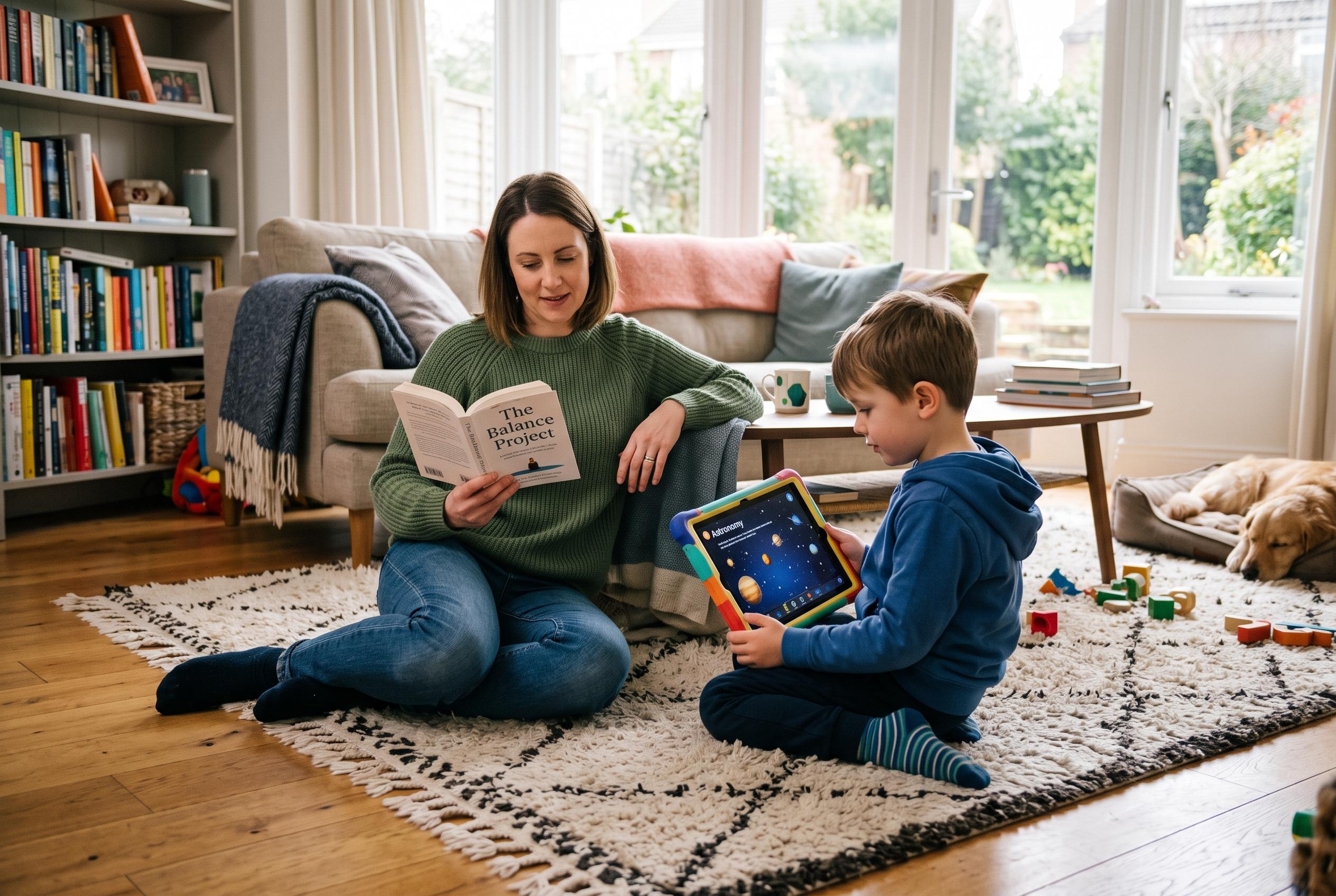

A flexible approach to children’s screen use, emphasising content quality and family routines, offers a healthier alternative to strict bans during a time of growing digital integration in daily life.
Screen time guilt has become a familiar part of modern parenting, but a more workable approach starts with dropping the idea that screens must be either banned or accepted without question. For many families, they are simply part of the daily routine: a way to buy a few quiet minutes during dinner prep, keep a child occupied during a work call or wind down together after a long day. The real issue is not whether screens are used at all, but how they are used, what they replace and whether they fit into a broader rhythm of sleep, play and family time.
Health experts have increasingly stressed that context matters as much as duration. The Cleveland Clinic says a child watching a slow-paced, age-appropriate programme with a parent is very different from one spending hours on fast-moving, algorithm-driven clips. It is the quality of the content, and whether an adult is involved, that often makes the difference. Scripps Health makes a similar point, saying screen use should not crowd out sleep, movement, learning or face-to-face interaction. In practice, that means a family movie or an educational app may serve a very different purpose from endless autoplay videos.
Several children’s health organisations also point out that the age of the child matters. NewYork-Presbyterian notes that advice for screen use changes as children grow, with younger children needing far more help from parents to manage what they see and how long they stay on. Kaiser Permanente says excessive screen time can affect sleep and emotional development, while Geisinger emphasises that there is no single rule that works for every household. The common thread is balance: screens should not displace physical play, conversation, creativity or time outdoors.
For busy parents, that balance is usually easier to maintain by setting a few firm house rules than by chasing a perfect daily limit. No screens at meals, no devices in the last hour before bed and a warning before turning anything off can make transitions much smoother. Experts also say parents should model the behaviour they want to see, since children notice when adults are scrolling through dinner or checking messages during family time. As the child gets older, the conversation should widen to include online safety, social media and self-control. The goal is not perfection. It is a household pattern in which screens are one tool among many, not the centre of family life.
Disclaimer: This content is for informational purposes only and is not intended to be a substitute for professional medical judgment, advice, diagnosis, or treatment.