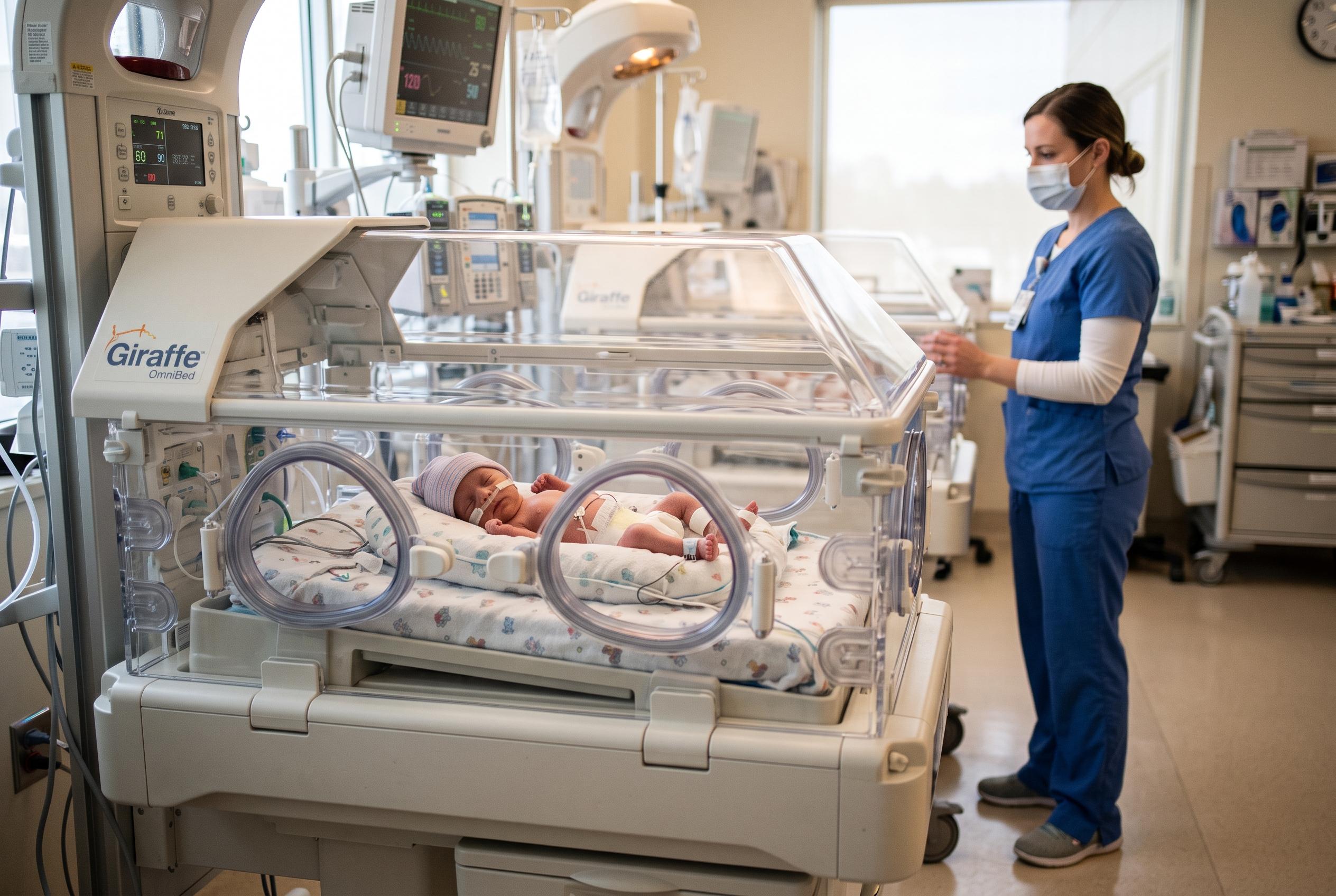

A US cohort study highlights cerebellar abnormalities and placental inflammation as early indicators that may help identify very preterm children at risk of autism-related screening concerns by age 5, potentially allowing for earlier intervention.
A new US cohort study suggests that two early-life findings may help identify very preterm children who are more likely to show autism-related screening concerns by age 5: cerebellar abnormalities seen around the time they would have reached term and moderate-to-severe placental inflammation. Researchers reported that children born very preterm were more likely than term-born peers to screen positive on a standard autism-risk questionnaire, adding to evidence that prematurity can be linked with later neurodevelopmental difficulties.
The study, published in the Journal of Perinatology, followed 315 very preterm infants and 172 term-born controls at a US academic medical centre. Rather than relying on a diagnosis, the researchers used the Social Communication Questionnaire, a screening tool for children aged 4 and older. A score of 15 or above is typically treated as a flag for possible autism risk, not as a clinical diagnosis. In this cohort, 8.9% of very preterm children crossed that threshold, compared with 2.9% of term-born children.
Children who screened positive also tended to have broader difficulties with language, cognition, behaviour and executive function, which the researchers said was consistent with autism-related traits. Among the very preterm group, positive screens were more common in boys and in children facing greater social risk. The strongest biological signals, however, were cerebellar abnormalities identified at term-equivalent age and histologic chorioamnionitis, a form of placental inflammation seen under the microscope after delivery.
The findings fit with earlier research pointing to the importance of both brain development and placental health in very preterm infants. A previous study in the Journal of Perinatal Medicine linked placental pathology, including chorioamnionitis, with autism spectrum disorder in extremely preterm children. Separate research on neonatal brain imaging has also identified cerebellar and white matter differences in preterm children later diagnosed with autism. The latest study adds to that picture by suggesting that children with these early markers may warrant closer developmental surveillance and earlier screening, particularly because both can be identified soon after birth.
The authors stressed caution, noting that the study measured screening risk rather than confirmed autism diagnoses and did not include comparable exposure data for term-born children. They also said the signals may reflect the broader effects of prematurity, rather than autism alone, and may interact with genetic, parental and environmental factors. Even so, the researchers argued that identifying very preterm infants with cerebellar injury or marked placental inflammation could help clinicians target follow-up at a time when early intervention may be especially valuable.
Disclaimer: This content is for informational purposes only and is not intended to be a substitute for professional medical judgment, advice, diagnosis, or treatment.