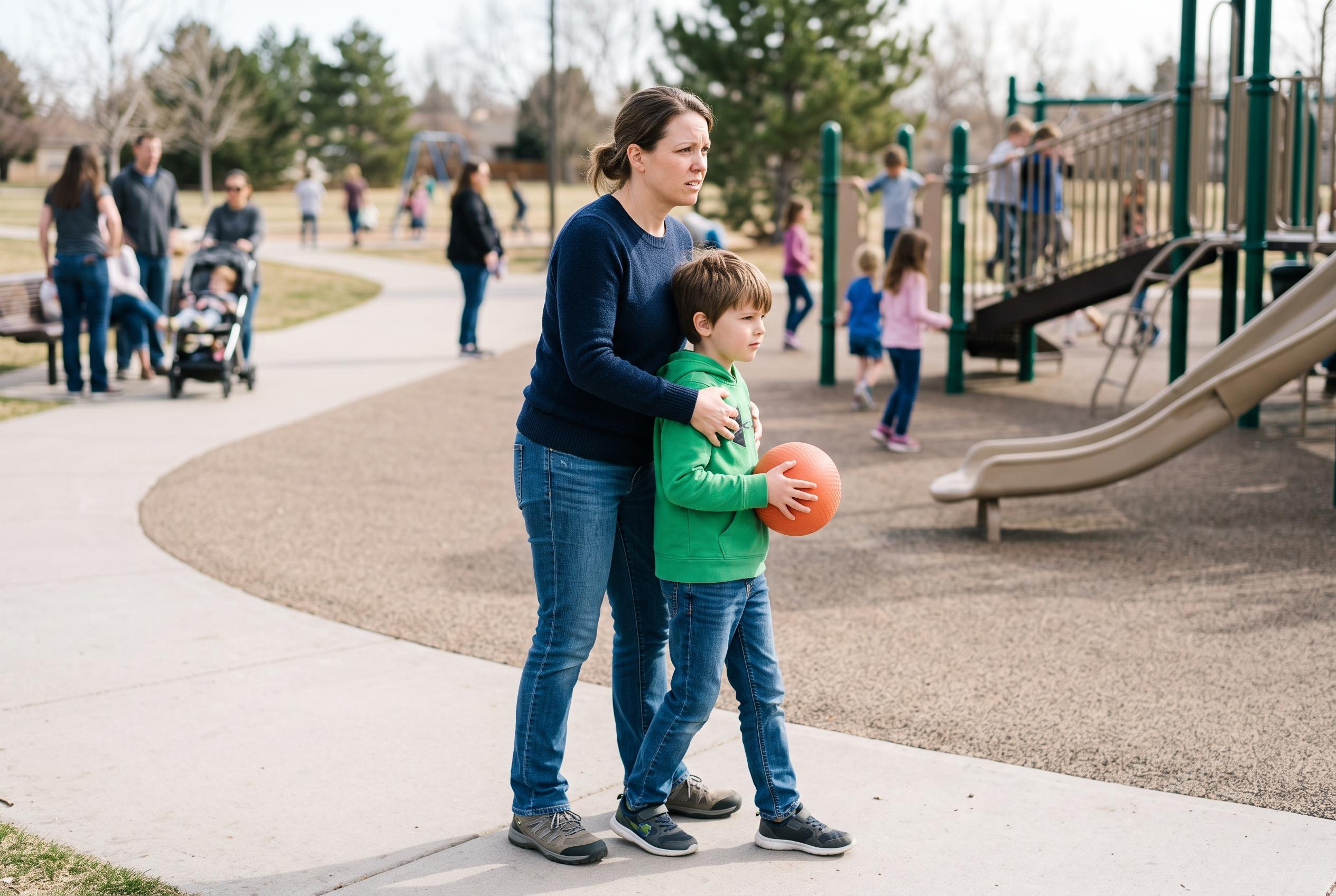

A growing trend of overprotection among U.S. parents is leading to reduced independence for children, prompting policy shifts and debates about balancing safety with resilience-building experiences.
Atlanta parents Mallerie Shirley and Christopher Pleasants thought they were giving their 6-year-old son a small measure of freedom when they let him scooter to a nearby playground. Instead, the outing led to a child neglect investigation and weeks of keeping him indoors, because they feared they could be arrested. Shirley told The New York Times that her son’s mental health suffered, a reminder of how quickly ordinary independence can be recast as danger in an age of heightened parental anxiety.
Their experience reflects a broader shift in family life. A Harris Poll found that 62% of children aged 8 to 12 have never walked or cycled anywhere without an adult, a sign of how rare unsupervised movement has become for many children. Yet many parents still say they value independence. In a 2023 survey from C.S. Mott Children’s Hospital in Michigan, 84% of parents of 9- to 11-year-olds said unstructured time without adults benefits children, even as many stopped short of allowing even simple solo tasks such as finding something in a shop.
Developmental psychologist Aliza Pressman of the Mount Sinai Parenting Center argues that children need room to make what she calls “survivable mistakes” if they are to feel capable and competent. Peter Gray, a professor at Boston College and author of the forthcoming book “Restoring Childhood: How to Set Kids Free in the Age of Anxiety”, has warned that treating children as fragile can become a self-fulfilling prophecy, leaving them less likely to learn toughness and resilience.
That concern is beginning to shape policy. According to recent reports, 13 states have loosened neglect laws in recent years to avoid sweeping up families whose children are engaged in reasonable independent activity. In May, lawmakers in the House of Representatives introduced the bipartisan Promoting Childhood Independence and Resilience Act, reflecting a growing recognition that overprotection can carry its own harms. The debate now is not whether children should be safe, but how to balance safety with the experience of learning, stumbling and recovering on their own.
Disclaimer: This content is for informational purposes only and is not intended to be a substitute for professional medical judgment, advice, diagnosis, or treatment.