
Investigations into Little League and AAU reveal how organisations prioritise appearances over safeguarding children, highlighting the need for rigorous checks and accountability in youth sport.
Youth sports can look polished on the surface and still be deeply harmful underneath. A recent example from the Little League Softball world, alongside a ProPublica and Washington Post investigation into AAU, shows how easily organisations can present themselves as child-focused while failing basic tests of safety, fairness and accountability.
The Little League controversy has centred on Tulsa National Little League in Oklahoma, where reporting by Sports Illustrated has described allegations that players were used who did not meet residency or school attendance rules and may not have participated in regular-season play. One complaint filed at the Southwest Region Tournament alleged that six players were ineligible and that the team entered as a nearly intact travel side, which would conflict with Little League rules.
That dispute has only grown more serious. Sports Illustrated has reported allegations of a cover-up, text messages said to show a coach inviting players without try-outs and suggesting families use different addresses to meet boundary requirements, and audio recordings that some leagues say point to ignored complaints and concealed violations. Little League International has said Tulsa provided the required paperwork, but families and coaches have continued to press for answers.
The broader lesson reaches well beyond one tournament. In its investigation, ProPublica and The Washington Post reported that AAU promised reform after a 2011 abuse scandal involving its then chief executive and young basketball players, yet failed to carry out most of the changes. The report said AAU did not actually verify child-abuse prevention training, despite saying it was mandatory, and that some coaches with bans or suspensions elsewhere were still able to work under its banner. It also described cases closed without witness interviews and registration language that pushed claims into confidential arbitration rather than court.
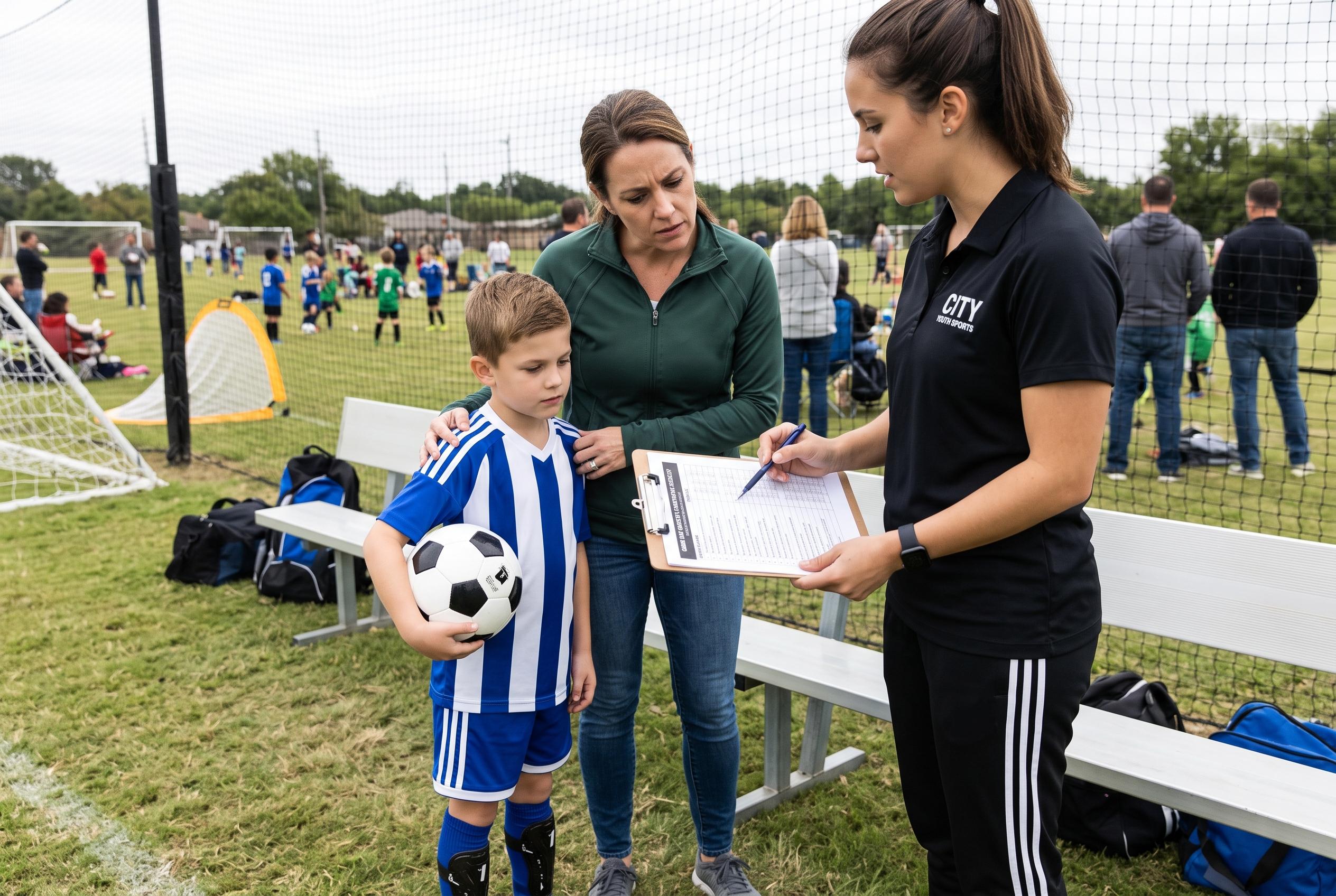
For parents, the warning is simple: a bright website, a polished uniform and a big-name logo do not guarantee a safe or healthy experience for a child. Youth sport only works when adults ask harder questions, check the background of the club and its coaches, and refuse to accept a culture where winning, money or appearances matter more than children’s well-being.
Disclaimer: This content is for informational purposes only and is not intended to be a substitute for professional medical judgment, advice, diagnosis, or treatment.