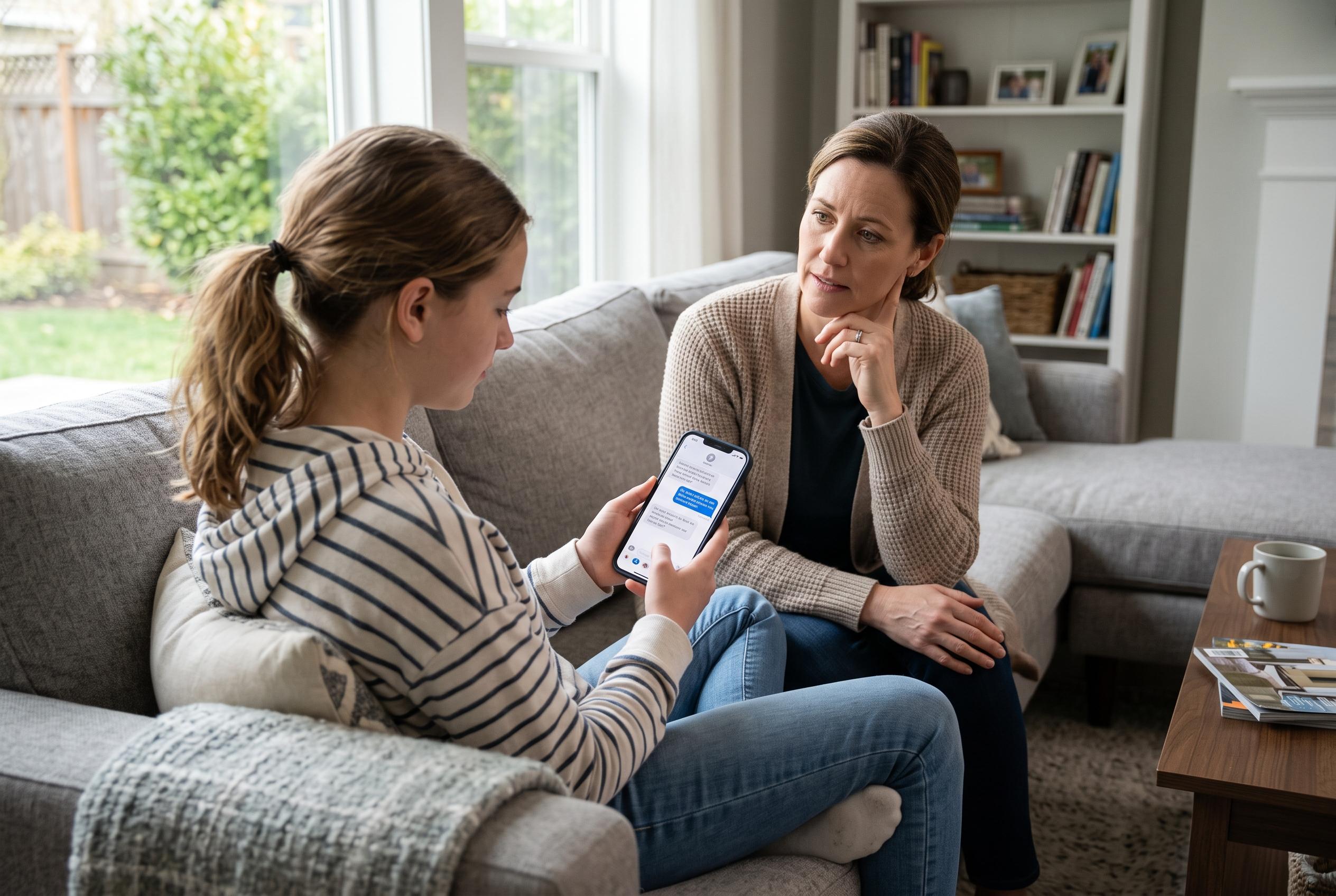

As more teenagers turn to AI chatbots for emotional support, experts warn about the risks of relying on untested tools for mental health advice and crisis intervention, underscoring the need for parental guidance and safety measures.
Teenagers are increasingly turning to AI chatbots for emotional support, a habit experts say can be helpful in the moment but risky when young people treat the systems like counsellors. Research cited by The Conversation suggests 72% of teens have interacted with companion-style chatbots and as many as 19.2% of adolescents and young adults have used them for mental health advice, with almost two-thirds telling no one.
That private use matters because most of the tools teenagers reach for are general-purpose products such as ChatGPT, Claude and Gemini, not chatbots built and tested for therapy. A systematic review in the Journal of Medical Internet Research found that AI chatbots may help reduce distress in some young people, but the evidence is mixed and comes with clear limits, while a separate review in the same journal reached a similar conclusion about both promise and uncertainty. Common Sense Media went further in late 2025, saying major chatbots were not safe for teen mental health support.
The biggest concern is what happens when a teenager is vulnerable, lonely or in crisis. Researchers writing in The Conversation said these systems can miss signs of self-harm or suicidal thinking and may keep a dangerous conversation going instead of stopping it. They noted that safety can weaken in longer chats, when replies may become less reliable and guardrails less effective. Recent legal claims in 2025 and 2026 have also alleged that interactions with language models contributed to tragic outcomes, underscoring the risks of relying on commercial chatbots for crisis support.
For parents and carers, the advice is to ask, not assume. Experts recommend open questions about how teens are using chatbots, what they discuss and whether anything has felt upsetting or confusing. They also suggest setting limits on late-night use, making clear that chatbots should not be used in a crisis and regularly reminding teens where to find human support, including a parent, school counsellor or the 988 Suicide & Crisis Lifeline. The goal, researchers say, is not necessarily to ban chatbots but to keep them in their place: a tool, not a substitute for people.
Disclaimer: This content is for informational purposes only and is not intended to be a substitute for professional medical judgment, advice, diagnosis, or treatment.