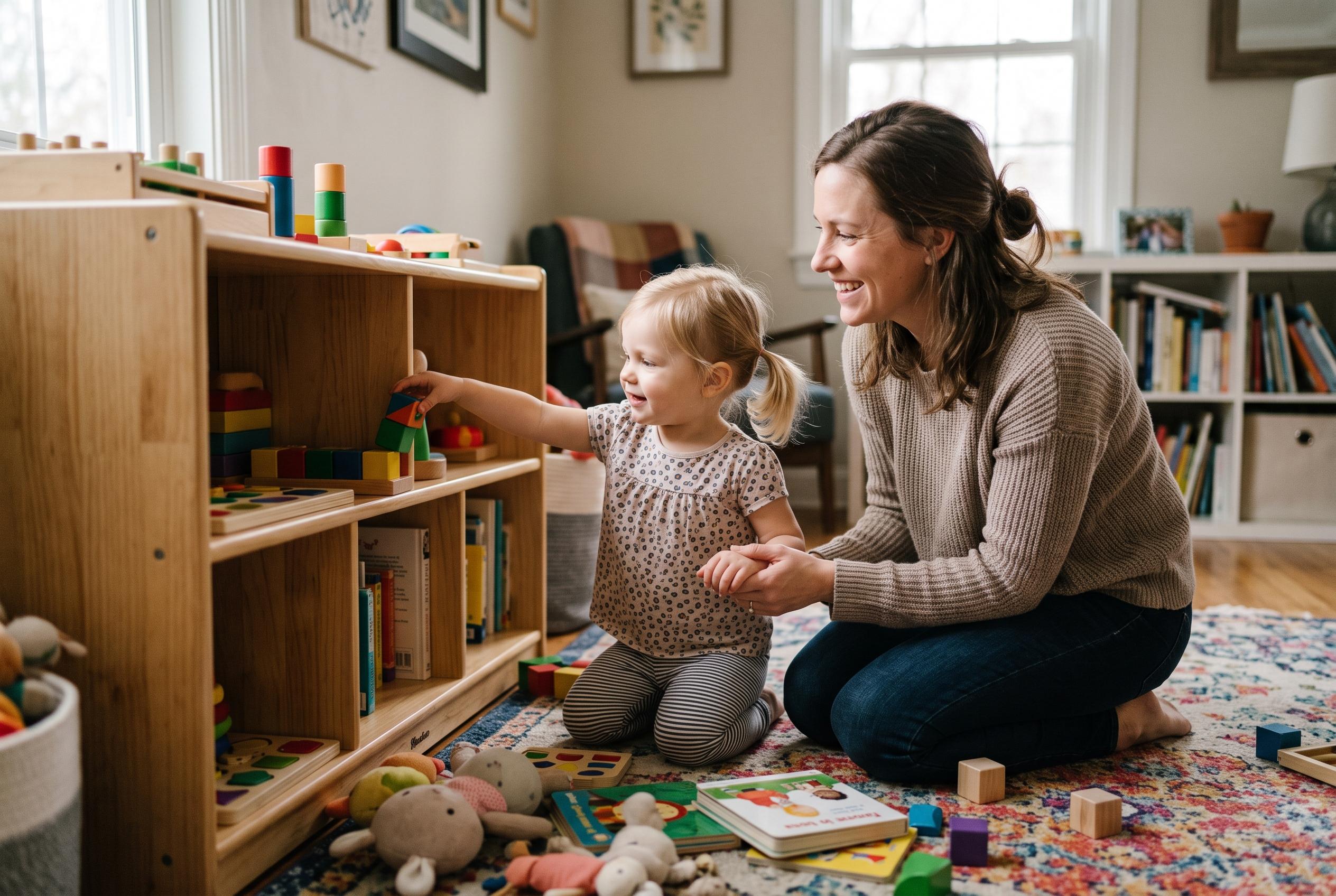

While major milestones are celebrated, the quieter ‘minorstones’ , small achievements in everyday family life , are equally vital in signifying growing independence and easing caregiving burdens.
Parents are often urged to watch for the big moments: first steps, first words, first day of school, first licence. But much of family life is made up of quieter gains, the sort that do not appear in baby books or on social media, yet can transform an ordinary day. These smaller victories, sometimes described as “minorstones”, are the point at which parenting starts to feel a little less like survival and a little more like progress.
In the early years, the gains can be almost absurdly practical. A baby who naps somewhere other than on an adult, a nappy change that does not empty half a packet of wipes, or a night of sleep long enough to leave everyone human the next morning can feel as meaningful as any formal developmental marker. The Centres for Disease Control and Prevention says developmental milestones are useful because they help families track how children are growing and when extra support may be needed, but the agency’s guidance also underlines that progress is often measured in small steps, not dramatic leaps.
That idea continues as children get older. A toddler who can tell a parent what they want instead of melting into tears, a preschooler who can dress themselves or a primary school child who remembers homework without constant prompting can all make daily life markedly easier. The CDC’s “Learn the Signs. Act Early.” programme encourages parents to notice skills such as walking, waving and other early achievements, while also using checklists and tools to follow development over time. In practice, many families find that the day-to-day breakthroughs matter just as much: eating in a restaurant without drama, entertaining themselves for an afternoon or managing a school bag without help.
By the time children reach the pre-teen and teenage years, the minorstones become less about basic self-care and more about growing independence. Making a meal, staying home alone for a short period, handling homework, arranging plans with friends or making an appointment are all signs that a child is slowly taking on more responsibility. Child development specialists often caution that children progress at different rates, and the CDC’s family resources are designed to help parents distinguish between a wide range of normal development and signs that a child may need more attention. Even so, families can still celebrate the everyday evidence that a child is learning to manage life with less help.
What makes these moments so appealing is that they are both ordinary and revealing. They do not replace the major milestones that doctors and parents rightly monitor, but they do reflect something equally important: the gradual easing of care into independence. For many parents, that is reason enough to mark the occasion.
Disclaimer: This content is for informational purposes only and is not intended to be a substitute for professional medical judgment, advice, diagnosis, or treatment.