


Experts recommend gradual routines, familiarisation visits, and health planning to help children manage the transition back to school and reduce anxiety this academic year.
The start of the school year can be exciting, but it can also unsettle children who are facing earlier mornings, new classrooms, social pressures or changes in routine. Parents and caregivers can help by acknowledging that mixed emotions are normal and by making small adjustments before the first day, rather than waiting until anxiety builds. Johns Hopkins Medicine says gradual preparation often helps children feel more in control, while Harvard Health notes that worries can show up as sleep problems, physical complaints or a reluctance to return to school.
One of the simplest ways to ease the transition is to reset routines early. That can mean moving bedtimes and wake-ups a little at a time, limiting screens before sleep and keeping daily movement part of the plan. Harvard Health and Johns Hopkins both recommend gradual changes in sleep schedules, while the Kids Mental Health Foundation says reintroducing school-year habits before classes begin can make the shift less abrupt. Exercise also matters: regular activity can help lower stress and support better sleep.
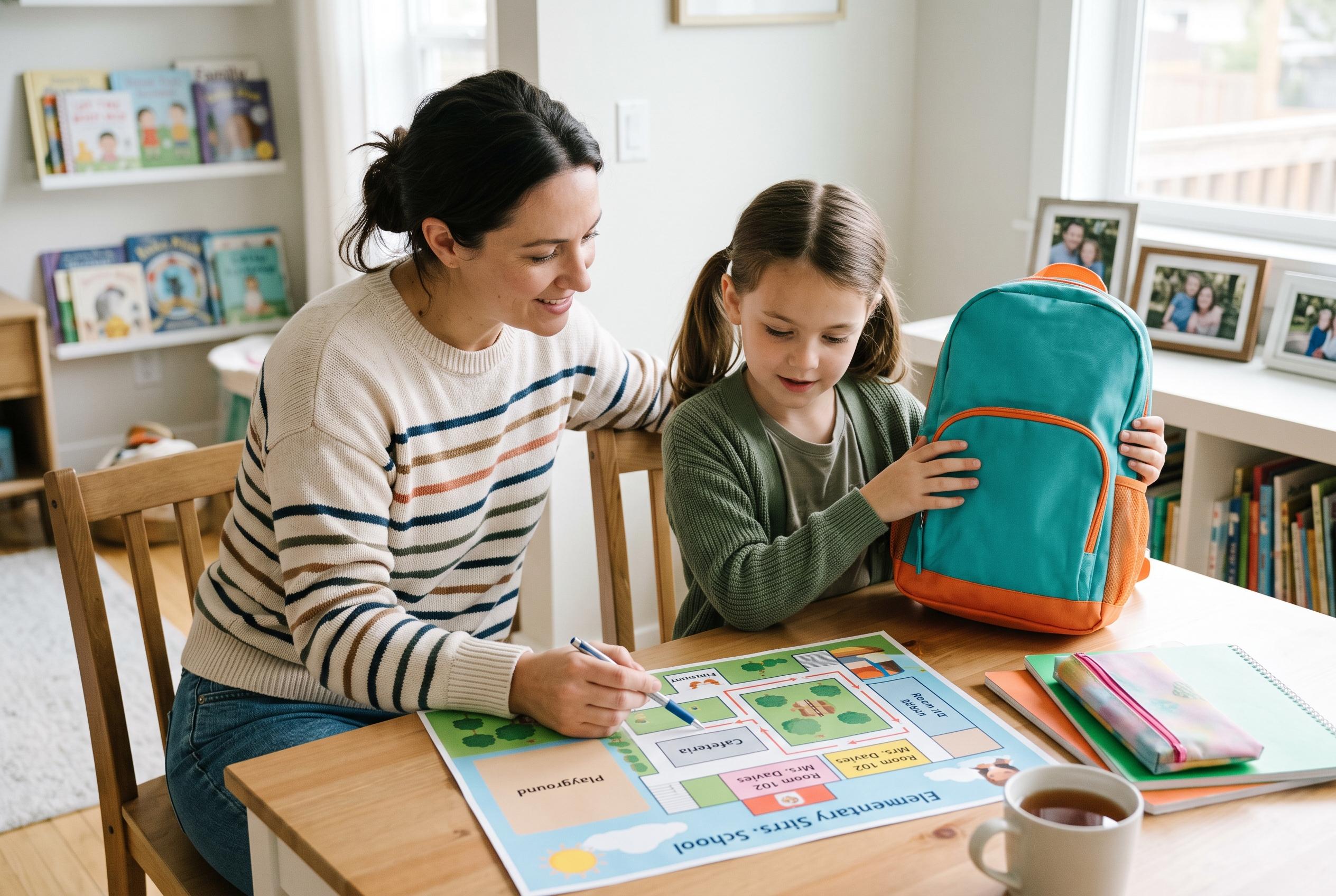
Children may also feel calmer if school becomes more familiar before the term starts. Visiting the campus, finding classrooms, meeting teachers at open houses or arranging time with friends can make the first days feel less uncertain. Johns Hopkins Medicine and ParentMap both say familiarising children with the setting and reconnecting them with peers can reduce worry. The Kids Mental Health Foundation adds that involving children in back-to-school shopping or lunch planning can give them a sense of ownership over the transition.
For some children, anxiety is tied to health needs rather than the school routine alone. If a child has asthma, allergies, diabetes or another ongoing condition, experts advise families to coordinate with the child’s doctor and school staff before classes begin. That may include an action plan, sharing emergency contacts with the school nurse and asking about formal supports such as a Section 504 plan or an Individualized Education Program. If anxiety does not improve after a few weeks, or if it begins to interfere with sleep, attendance or daily life, Harvard Health and other experts say it is time to seek professional help.
Disclaimer: This content is for informational purposes only and is not intended to be a substitute for professional medical judgment, advice, diagnosis, or treatment.



