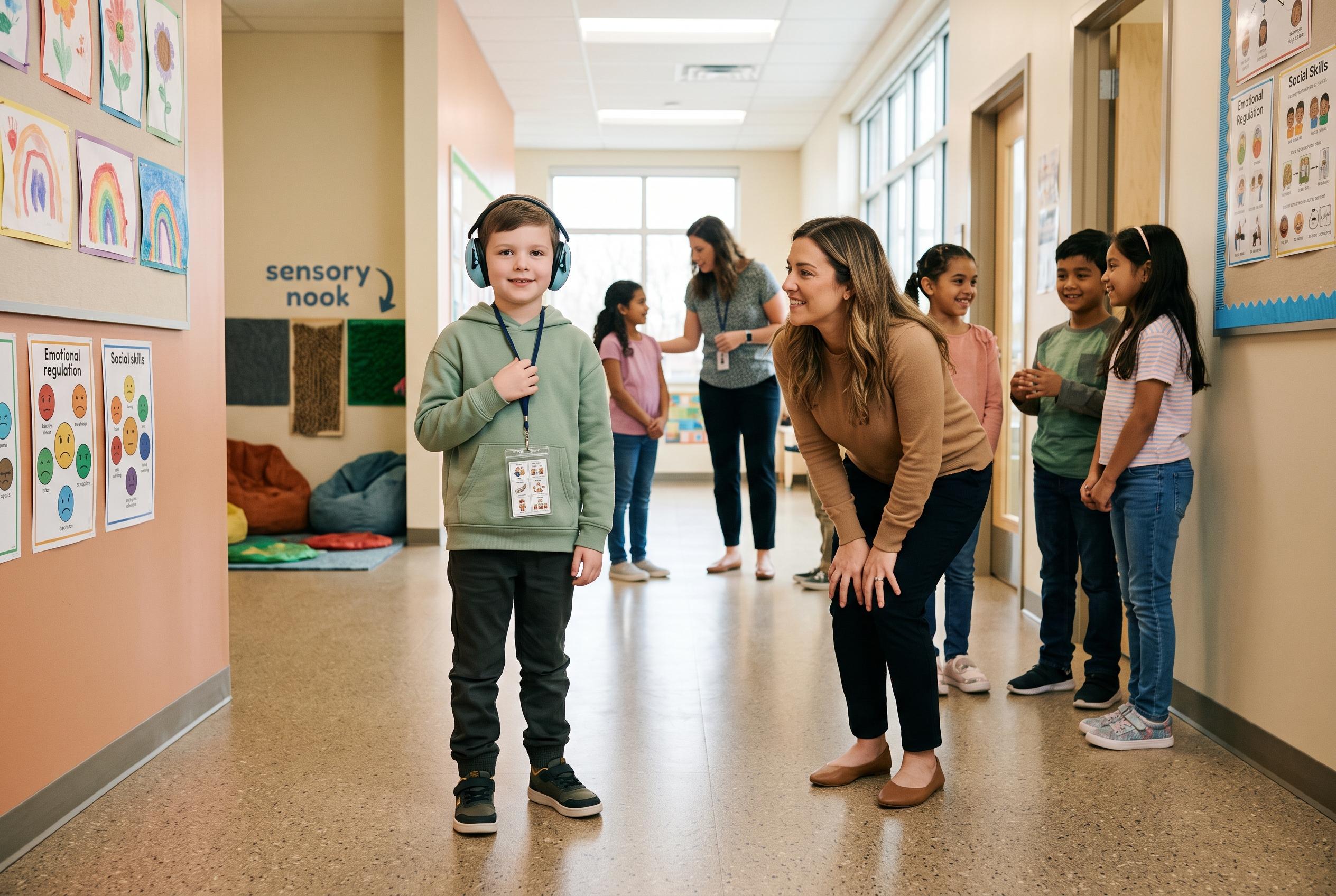

As the new school year begins, innovative approaches are supporting autistic children to manage sensory pressures, social uncertainties, and routine changes, aiming to reduce anxiety and build trust.
For many autistic children, the return to school can be unsettling because it brings a sharp break with the predictability of summer. The change from flexible days to early starts, fixed timetables, transport, homework and classroom rules can be difficult to absorb all at once, particularly when a child is also facing a new teacher, a different room or unfamiliar expectations. The ABA Centres Florida blog says that this loss of routine is often only one part of the challenge, with sensory pressures and social uncertainty adding to the strain.
Schools can be especially demanding environments for children with sensory sensitivities. Bright lighting, loud bells, crowded corridors, cafeteria noise and unexpected touch can all become sources of distress, and in some cases the anticipation of those experiences can cause anxiety before term has even begun. Mindcolor Resources and Sensory University both note that preparing children in advance, including by visiting the school, talking through the day and using visual schedules or timers, can make the transition feel more manageable.
Social and academic pressures can also play a major part. According to the ABA Centres Florida blog, some children struggle with group work, asking for help, understanding instructions or coping with changes in relationships and routines. The start of a new year can also revive memories of exclusion, misunderstanding or bullying. Rather than reading avoidance as refusal, parents and teachers are urged to consider whether the child is worried about the bus, the classroom, the lunch hall, the bathroom or a task that feels too hard to complete.
The signs are not always verbal. Repeated questions, sleep problems, stomachaches, irritability, withdrawal, refusal to dress or leave the house and increased sensitivity can all point to distress. Actify ABA, SPARK for Autism and PAAutism.org all recommend gradual preparation, visual supports, sensory breaks, calm rehearsal of the school day and a slow reset of routines in the weeks before term starts. The Leicestershire Partnership NHS Trust’s Autism Space adds that past difficult school experiences can sometimes contribute to trauma, burnout and school avoidance, which means adults may need to rebuild trust carefully and avoid assuming that anxiety is simply an unavoidable part of autism.
Disclaimer: This content is for informational purposes only and is not intended to be a substitute for professional medical judgment, advice, diagnosis, or treatment.