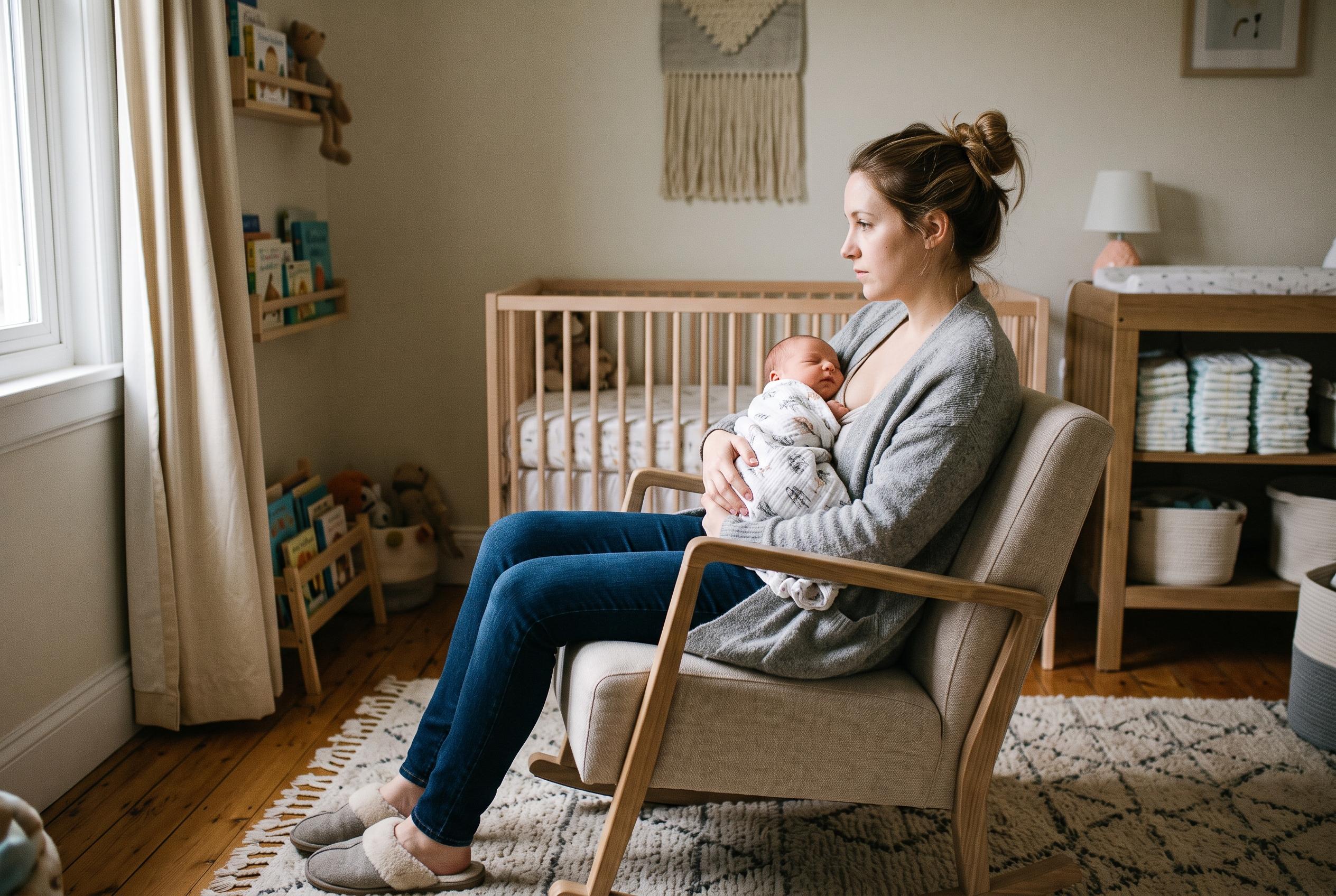

While parenthood is often seen as a joyful milestone, emotional struggles during pregnancy and after birth are common and can significantly affect both parents and children. Experts emphasise the importance of recognising, screening, and seeking early help for perinatal mood and anxiety disorders.
Becoming a parent is often presented as a time of uncomplicated joy, but the emotional reality is usually more mixed. Pregnancy and the weeks after birth can bring elation, worry, irritability, tears and a sense of being stretched thin, all at once. That range of feelings is normal, and understanding it can help new and expectant parents feel less alone.
Much of that emotional turbulence has a biological basis. During pregnancy, hormone levels rise sharply, then fall quickly after delivery, which can affect mood and anxiety. Medical News Today notes that these shifts can contribute to the brief postpartum dip known as the baby blues, while the Massachusetts Department of Public Health says more persistent symptoms may point to a perinatal mood and anxiety disorder, or PMAD.
Those disorders are broader than many people realise. The Massachusetts health department and the American College of Obstetricians and Gynecologists say PMADs can include depression, anxiety, obsessive-compulsive disorder, bipolar spectrum disorder and post-traumatic stress disorder. The American Psychiatric Association says these conditions can affect both parent and child if they are not recognised and treated early.
That is why clinicians stress honest conversations with midwives, obstetricians and primary care doctors. The Eunice Kennedy Shriver National Institute of Child Health and Human Development says screening and early intervention are central to care, and ACOG says providers can help patients access the right support and treatment. If low mood, panic, hopelessness or intrusive thoughts last beyond the first couple of weeks after birth, or worsen instead of easing, professional help should be sought promptly.
Support at home matters too. CAMH says risk factors can include both biological and social pressures, which is one reason practical help from a partner, family, friends or other parents can make such a difference. Rest, regular meals, light movement and realistic expectations can also help, but they are not substitutes for care when symptoms are severe. The clearest message from experts is that asking for help is a healthy response to a major life change, not a sign of failure.
Disclaimer: This content is for informational purposes only and is not intended to be a substitute for professional medical judgment, advice, diagnosis, or treatment.