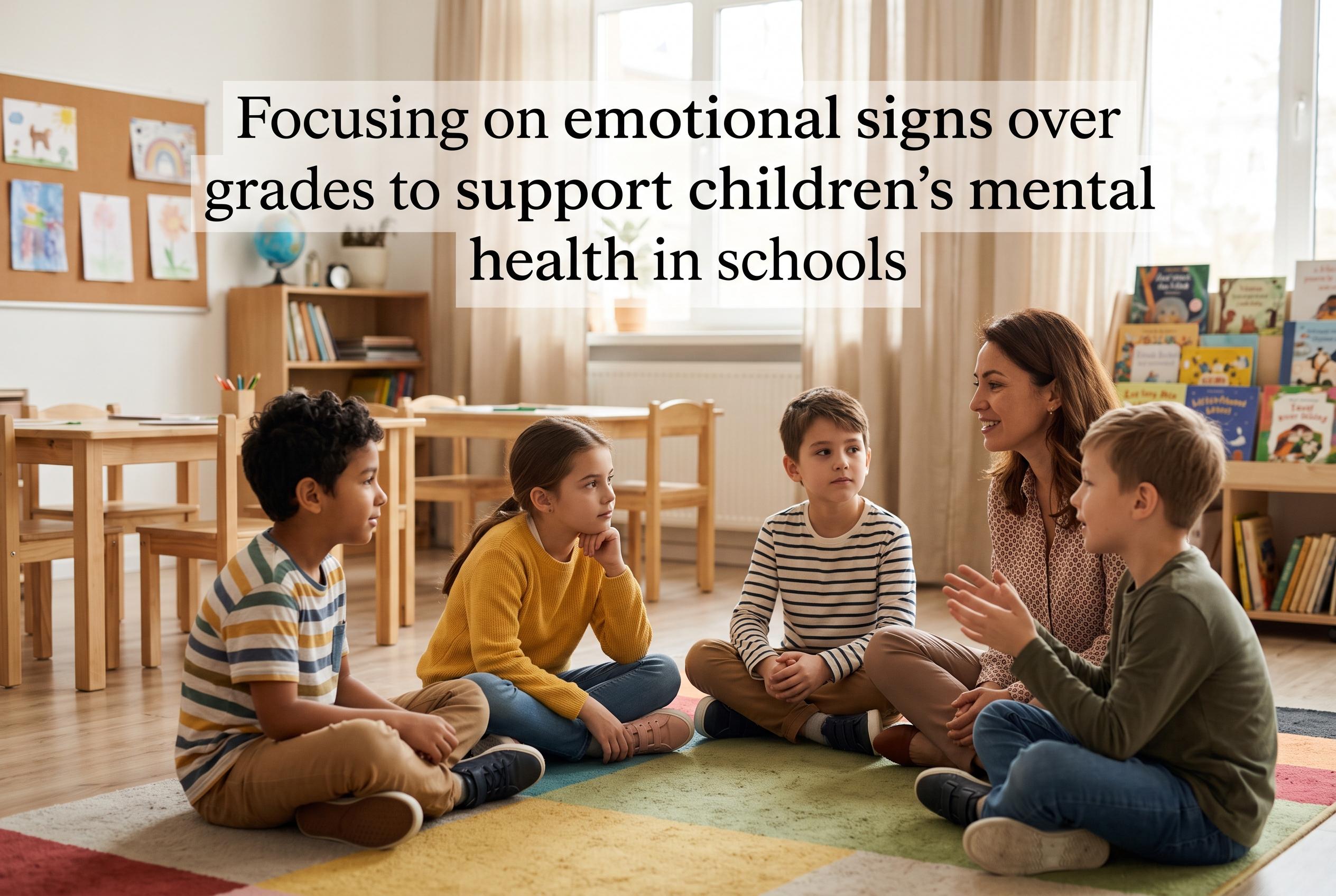

Experts emphasise the importance of recognising behavioural and emotional indicators in children, beyond academic results, to ensure early support and promote resilience in schools.
Parents and teachers should look beyond grades when assessing how a child is coping at school, according to Javier Rojas, the well-being co-ordinator at the Colegio de la Inmaculada Jesuitas. Marking Peru’s Children’s Day, which falls on the third Sunday in August, Rojas said regular contact between home and school can help adults spot early signs that a student may need support. He said that when families and teachers share observations about mood, friendships and routine changes, they are better placed to notice concerns in time.
Rojas pointed to four shifts in behaviour that deserve attention if they appear suddenly or persist for several days. A child may become quieter or more irritable than usual, lose interest in activities they once enjoyed, avoid talking about what is happening at school or show an unexpected drop in performance. These signs do not by themselves point to a mental health condition, but they can be an early warning that something is affecting the child’s emotional well-being.
That approach is consistent with guidance from the Mayo Clinic and the US National Institute of Mental Health, which both note that children and teenagers can show mental health concerns through changes in mood, behaviour, schoolwork and social engagement. The NIMH says warning signs can include prolonged sadness, excessive worry and withdrawal from activities, while the Mayo Clinic stresses the value of recognising concerns early so families can seek help sooner if needed.
Rojas also urged parents to share major family changes with teachers, such as a move, the birth of a sibling or the death of a loved one. Those events can affect a child’s behaviour in the classroom as well as at home. He added that communication should not be limited to report cards or disciplinary issues, but should be ongoing and based on mutual trust, so that adults present consistent expectations around routines, rules and values.
Health sources also advise parents to watch for broader patterns, including sleep and eating changes, physical complaints linked to stress and social withdrawal. If sadness, irritability, isolation or loss of interest become intense, last for a long time or begin to disrupt daily life, experts recommend professional assessment. The central message from educators and clinicians is the same: emotional well-being should be tracked as closely as academic progress.
Disclaimer: This content is for informational purposes only and is not intended to be a substitute for professional medical judgment, advice, diagnosis, or treatment.