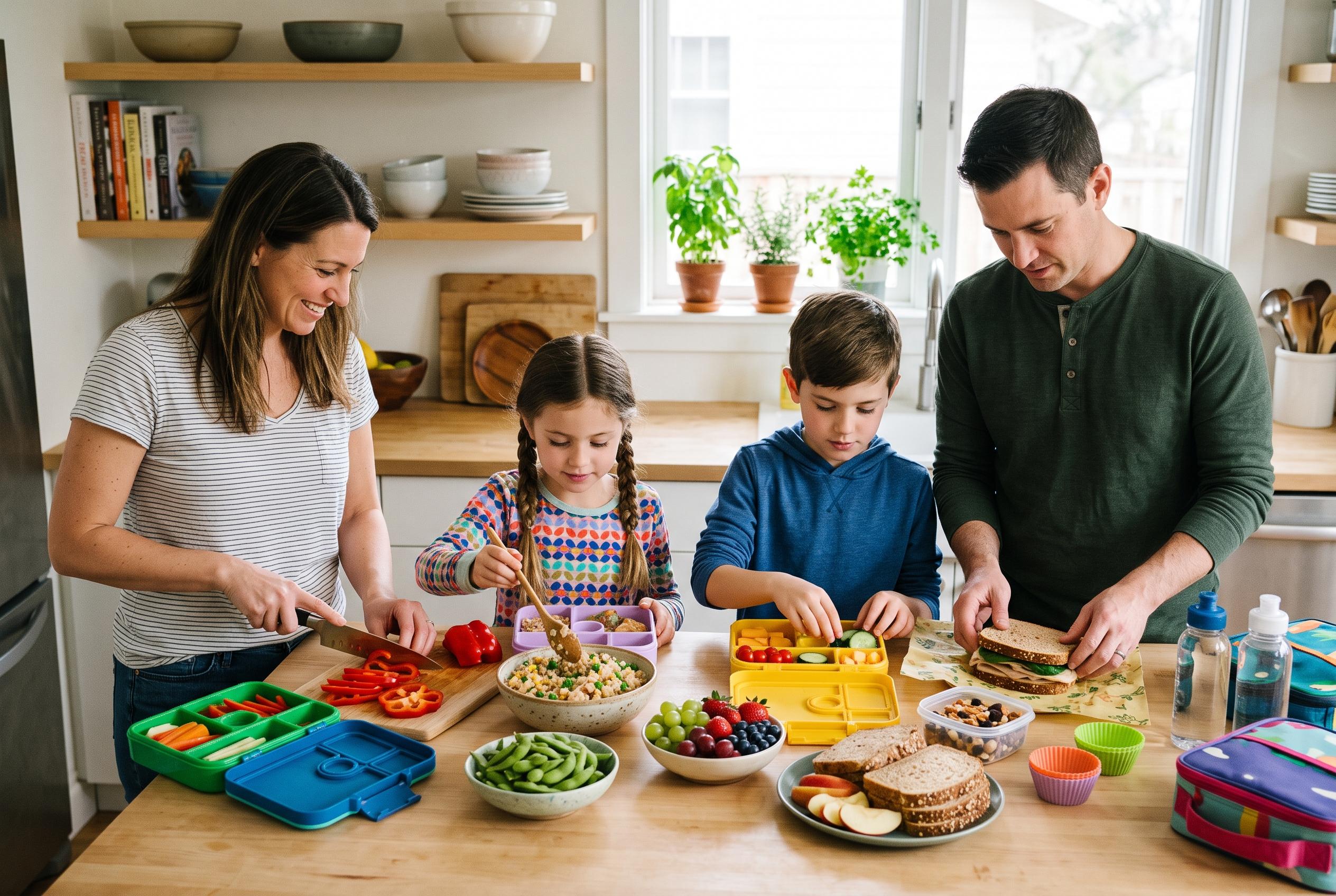

As the new school term begins, families are adopting more involved and flexible lunchtime routines that prioritise nutritional balance, child engagement, and practicality, shaping the future of healthy school meals.
As families prepare for the new school term, lunch boxes are often one of the first routines to return. The aim is not simply to fill a box, but to pack food children will actually eat. Nutrition experts and school meal advocates say that matters, because kids are more likely to eat a balanced lunch when the meal is familiar, appealing and easy to handle.
The CDC says school meals can support better nutrition, attendance and even test scores, while the School Nutrition Association notes that federally supported lunch programmes are designed to provide balanced meals and can help reduce food insecurity. That backdrop helps explain why home-packed lunches still matter: parents want control over ingredients, but they also need a plan that keeps children energised through the day.
One clear theme across the guidance is involvement. The Cleveland Clinic and Mayo Clinic Press both recommend bringing children into the process by letting them choose among healthy options and helping with preparation. The article’s advice follows that thinking closely, encouraging families to plan lunches the night before, wash and portion ingredients in advance and even let younger children help with simple tasks such as rinsing fruit or choosing a snack. Todays Parent also recommends creating a dedicated lunch-packing zone at home so children can build independence.
The food itself should be balanced, varied and realistic. The most practical lunch box, nutrition specialists say, usually includes a main item with protein and starch, plus fruit, vegetables, a drink and perhaps a snack. That could mean a turkey sandwich, hard-boiled eggs, yoghurt, salad, fruit cups or vegetable sticks with dip. Whole grains and healthy fats can add staying power, while water is a better everyday choice than sugary drinks.
The article also makes the case for bento-style lunches, which can be especially useful for children who prefer smaller portions or a mix of finger foods. JAMA Pediatrics has found that lunches brought from home often contain more calories and sodium and fewer fruits and vegetables than school meals, which is one reason variety and portion control matter. Compartments can make a lunch look more inviting, and colourful, bite-sized foods may encourage picky eaters to try fruit, vegetables and cheese they might otherwise refuse.
Hot lunches are another useful option once the weather cools. Soup in an insulated thermos, a grilled cheese or ham sandwich wrapped to stay warm, chilli, stew and leftovers such as pasta or fried rice can all work well if packed properly. The broader message is simple: the best school lunch routine is one that children help shape, parents can repeat easily and families can sustain without turning every morning into a scramble.
Disclaimer: This content is for informational purposes only and is not intended to be a substitute for professional medical judgment, advice, diagnosis, or treatment.