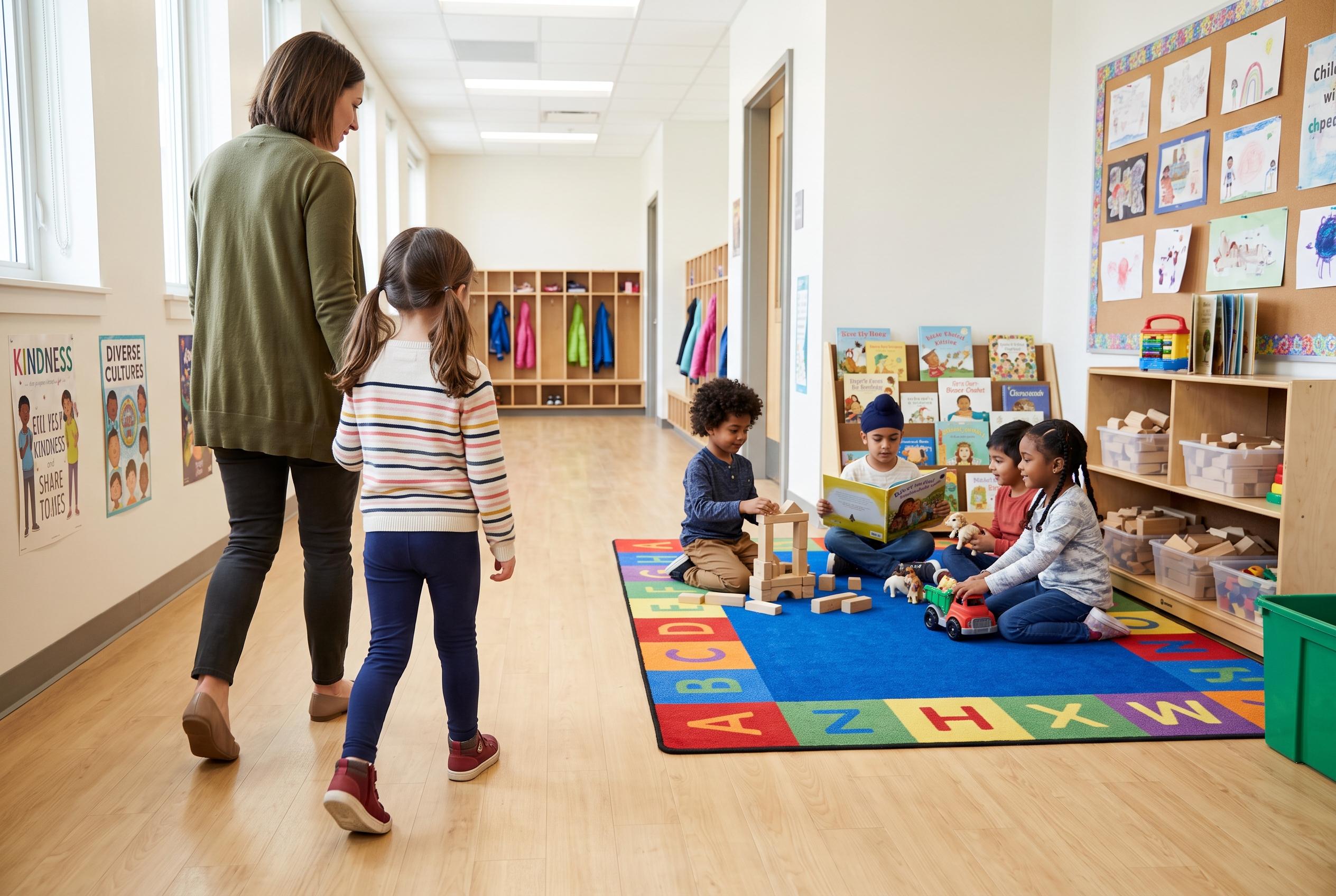

As children start a new school year, experts emphasise practical strategies for parents to boost confidence, foster inclusion, and help kids forge friendships in unfamiliar environments.
A new school year can bring excitement, but also anxiety as children face unfamiliar classrooms, routines and peer groups. Parents cannot choose their child’s friends, but they can help build the confidence and social habits that make connection easier. Research and parenting guidance from Cleveland Clinic, Great Ormond Street-style family resources and children’s hospitals all point to the same broad approach: practise social skills, create chances to socialise and give children steady reassurance.
One of the most useful starting points is helping children see themselves as good company for others. That might mean reminding them that kindness, humour, curiosity or creativity are all strengths that can draw people in. Experts also say it helps to normalise nerves, since many children worry about fitting in at the start of term. Rehearsing simple conversation openers at home can make the first step feel less daunting, while teaching children to listen, ask follow-up questions and use friendly body language helps them keep a chat going once it has begun.
Inclusion matters as much as confidence. Guidance from children’s mental health and school-parent resources stresses the value of small gestures: inviting another child to join a game, sitting with someone new at lunch or welcoming a shy classmate into a group activity. These moments can ease loneliness and help children learn empathy, which in turn makes friendships more likely to grow. Parents should also remember that not every child makes friends in the same way. Some are quick to connect, while others need repeated, low-pressure contact before they feel settled.
Structured activities can help children meet peers with shared interests, but experts caution against overloading the week with clubs and lessons. Unstructured time often does more for friendship-building than a packed schedule, because it gives children room for play, conversation and repeated interaction. Hospitals and child-development specialists also note that too much screen time can crowd out the real-world contact children need to practise social skills and form bonds. For some children, especially those with conditions such as ADHD or autism, extra support and patience may be needed.
Families can also use this season to encourage curiosity about other people and cultures. A classroom today may include children from many backgrounds, and learning to approach differences with respect can help children feel more comfortable with peers who think, speak or live differently. For households that host an au pair, that everyday cultural exchange can become part of the support system. The programme says au pairs can help with role-play, reassurance and conversation practice, while also giving children another trusted adult to talk to about school and friendships. For many families, that mix of practical care and social encouragement can make the start of term feel less overwhelming.
Disclaimer: This content is for informational purposes only and is not intended to be a substitute for professional medical judgment, advice, diagnosis, or treatment.