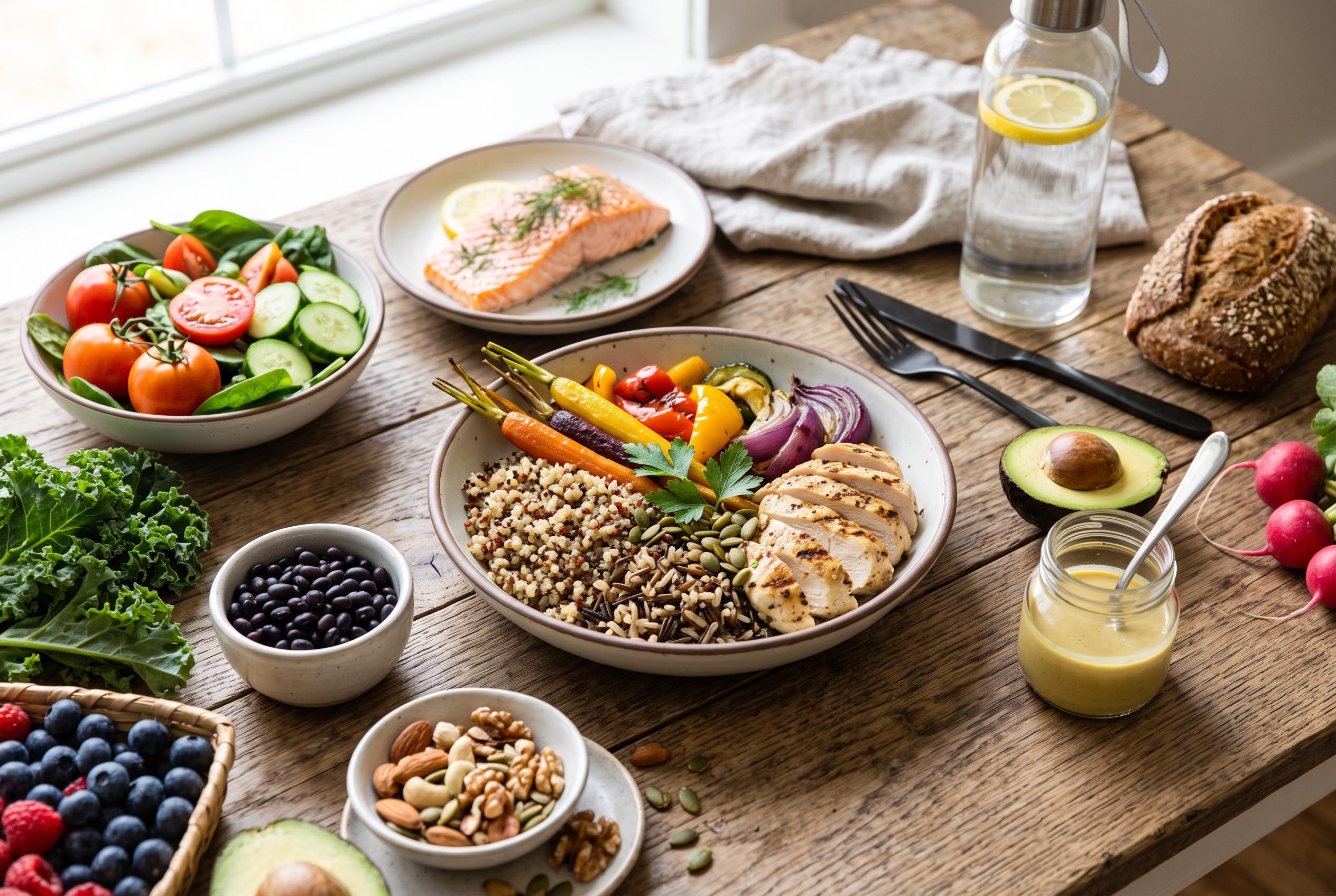

Recent insights in dietetics challenge traditional food rules, highlighting the importance of quality and personalised choices over simplistic rules in promoting health.
Many of the nutrition lessons people remember from school have aged badly. Advice once delivered as a simple rulebook has since been replaced by a more nuanced view of how the body uses food, with the strongest message from modern dietetics being that quality matters as much as quantity.
One of the clearest examples is fat. For years, it was treated as something to avoid, yet research-backed nutrition guidance now distinguishes between harmful and helpful types. Healthline’s review of unsaturated fats notes that monounsaturated and polyunsaturated fats, found in foods such as olive oil, avocados, nuts and fish, are linked with heart health and other benefits. Its separate coverage of olive oil and avocado oil also points to their antioxidant content and their role in helping the body absorb nutrients.
Carbohydrates have also been unfairly blamed. Whole grains, in particular, are not the same as refined starches, and Healthline’s reporting on whole grains says they are associated with better digestive health and a lower risk of heart disease and type 2 diabetes. That makes the source of calories more important than the slogan that all calories are interchangeable. A biscuit and a bowl of oats may contain similar energy on paper, but they do not affect fullness, blood sugar or nutrition in the same way.
The same principle applies to calcium and protein. Milk is not the only useful calcium source, and plant foods can contribute meaningfully to intake. Likewise, meat is not the only route to adequate protein. Legumes, nuts and whole grains can provide substantial amounts, especially when eaten as part of a varied diet. That broader view matters for families, vegetarians and anyone trying to build meals around foods that do more than deliver one nutrient.
Breakfast, too, is often presented as a universal rule when it is really a matter of individual needs. Some people feel better eating early, while others do not require a morning meal to function well. The better test is whether a child or adult is getting enough fibre, protein and healthy fat across the day rather than forcing a one-size-fits-all routine.
Other long-held assumptions deserve similar scrutiny. Fruit juice is not the same as whole fruit because juicing strips away much of the fibre that slows sugar absorption. Snacks are not inherently bad if they are built from nuts, yoghurt or vegetables rather than ultra-processed foods. And multivitamins should be seen as a back-up, not a substitute for a varied diet. Taken together, the modern lesson is less about banning foods and more about choosing them with more care.
Disclaimer: This content is for informational purposes only and is not intended to be a substitute for professional medical judgment, advice, diagnosis, or treatment.