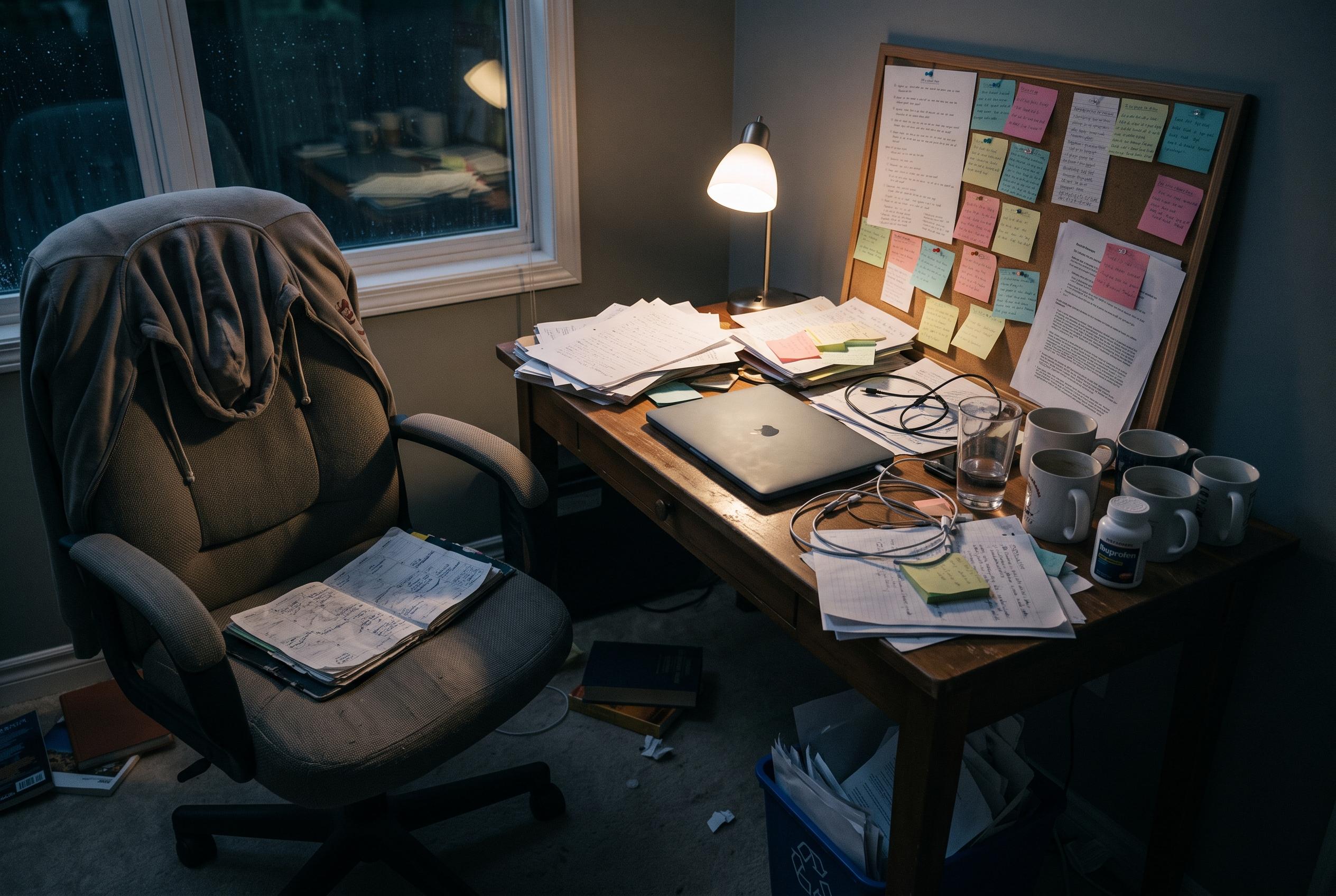

Emerging research on autistic burnout offers new insights for parents, educators and legal professionals, emphasising the importance of recognising signs and implementing compassionate responses to reduce harm in high-stress situations.
Parents navigating school discipline or legal proceedings for an autistic child may hear a new term that helps make sense of behaviour that can look like defiance, silence or collapse: autistic burnout. Lawyers writing in JDSupra said the phrase captured a pattern they had long seen in practice, where children and young adults under sustained pressure began to decompensate in high-stress settings.
Research now gives that experience a clearer frame. A 2025 systematic review drawing on studies involving roughly 4,000 autistic people found autistic burnout is commonly marked by deep exhaustion, loss of function and reduced tolerance to sensory input. It also linked burnout to sensory and social overload, camouflaging, stigma and the pressures of everyday life, while noting that rest, solitude, sensory relief and support can help protect against it.
A separate qualitative study of autistic adults found that burnout can be intensely emotional as well as physical, with participants describing extreme tiredness, difficulty managing daily tasks and greater sensitivity to sound, light and other stimuli. The researchers also identified shame as a recurring factor and described “dual-masking”, in which people hide both autistic traits and signs of burnout, potentially making recovery slower.
For families, the warning signs may show up quickly in a hearing room or school meeting. The JDSupra article described students who cried, shut down, covered their ears or struggled to answer even simple questions after prolonged stress. In that setting, the lawyers said, the priority is to slow everything down, break the process into smaller steps and create space for the child to recover enough to communicate.
That may mean a break, snacks, written bullet points, a parent’s reassurance or a shorter day with more time to answer questions. The article also stressed that accommodation requests should be made in writing and, when needed, backed by a clinician’s letter. More broadly, the emerging research suggests that naming autistic burnout can help schools, clinicians and legal teams recognise it sooner and respond in ways that reduce harm rather than intensify it.
Disclaimer: This content is for informational purposes only and is not intended to be a substitute for professional medical judgment, advice, diagnosis, or treatment.