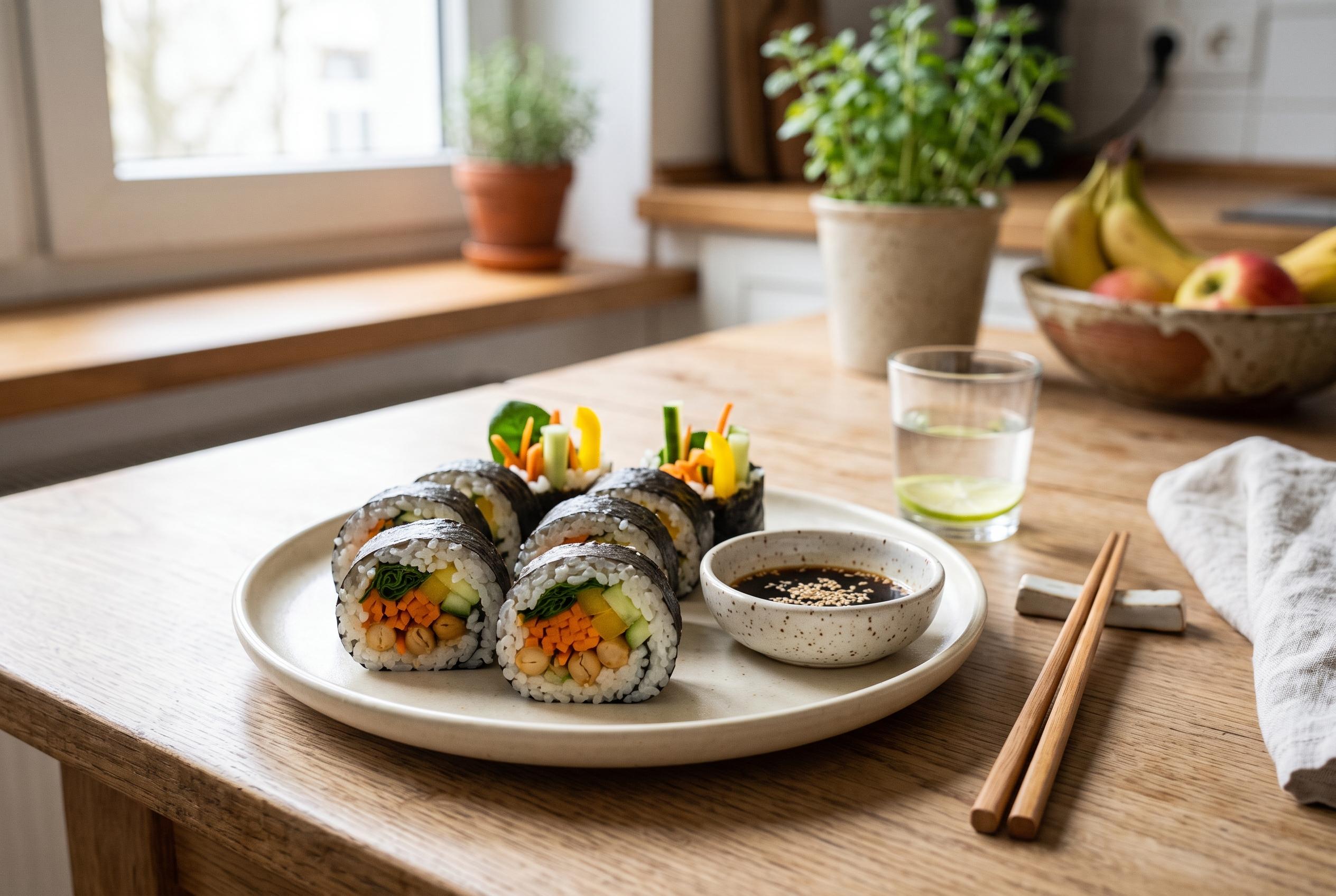

A quick and easy recipe transforms seaweed sheets into nutritious snack rolls filled with rice, chickpeas, and vegetables, promoting health benefits while highlighting the importance of moderation due to iodine content.
Seaweed snacks are having a quiet moment in home kitchens, and one easy version turns the crisp, savoury sheets into bite-sized rolls filled with rice, chickpeas and vegetables. The original recipe, published by Picky Eater, is designed to deliver the flavours of sushi in about 25 minutes without the need for a mat or specialist equipment.
Beyond convenience, the appeal is nutritional as well as practical. Healthline says seaweed contains iodine, tyrosine, antioxidants and fibre, nutrients that may support thyroid function, gut health and blood sugar control. Harvard Health adds that seaweed is low in calories and fat but also provides minerals including iron and magnesium, along with vitamins A, C, B9 and K.
That said, experts also advise moderation. Because seaweed can be high in iodine, Healthline, Harvard Health, Cleveland Clinic and WebMD all note that eating large amounts may pose problems for some people, particularly those with thyroid, heart or kidney conditions. The same sources also warn that seaweed can absorb substances from its environment, so it is best treated as part of a varied diet rather than a daily staple in large quantities.
In the kitchen, the recipe leans on simple, family-friendly technique. Softening the snack sheets just enough to make them pliable, using cooled rice and keeping the filling compact all help the rolls hold together. The recipe’s chickpea base adds creaminess and plant protein, while vegetables such as avocado, cucumber, carrot and lettuce bring colour and crunch. The result is a snack that works for lunchboxes, party platters or a hands-on cooking project with children.
Disclaimer: This content is for informational purposes only and is not intended to be a substitute for professional medical judgment, advice, diagnosis, or treatment.