
As elopement behaviours in children with autism pose increasing safety risks, families and professionals adopt innovative measures to identify, prevent and respond to this urgent issue amidst rising incidence and deadly consequences.
Elopement in autism is one of the most alarming behaviours families face: a child slips away from a safe setting without warning, sometimes in seconds. It may look like wandering, bolting or running off, but the risk is the same. According to the National Autism Association, nearly half of children with autism are at risk of eloping at some point, and many do so more than once.
The danger is not only that a child may disappear. Children on the autism spectrum may not recognise hazards in the way other children do, which can put them at risk near roads, water or strangers. The National Autism Association says drowning is the leading cause of death after wandering, while the organisation’s guidance also warns of traffic incidents and other preventable injuries. That makes elopement a safety issue, not simply a behaviour problem.
Experts say the behaviour is usually driven by a purpose. Research cited by Missouri State University identifies four common functions: escape, access, sensory seeking and attention. In practice, that means a child may bolt to get away from noise or discomfort, head towards a favourite place, seek the feeling of movement or learn that running off brings a strong reaction from adults. Understanding which of these is at work matters because prevention depends on the reason.
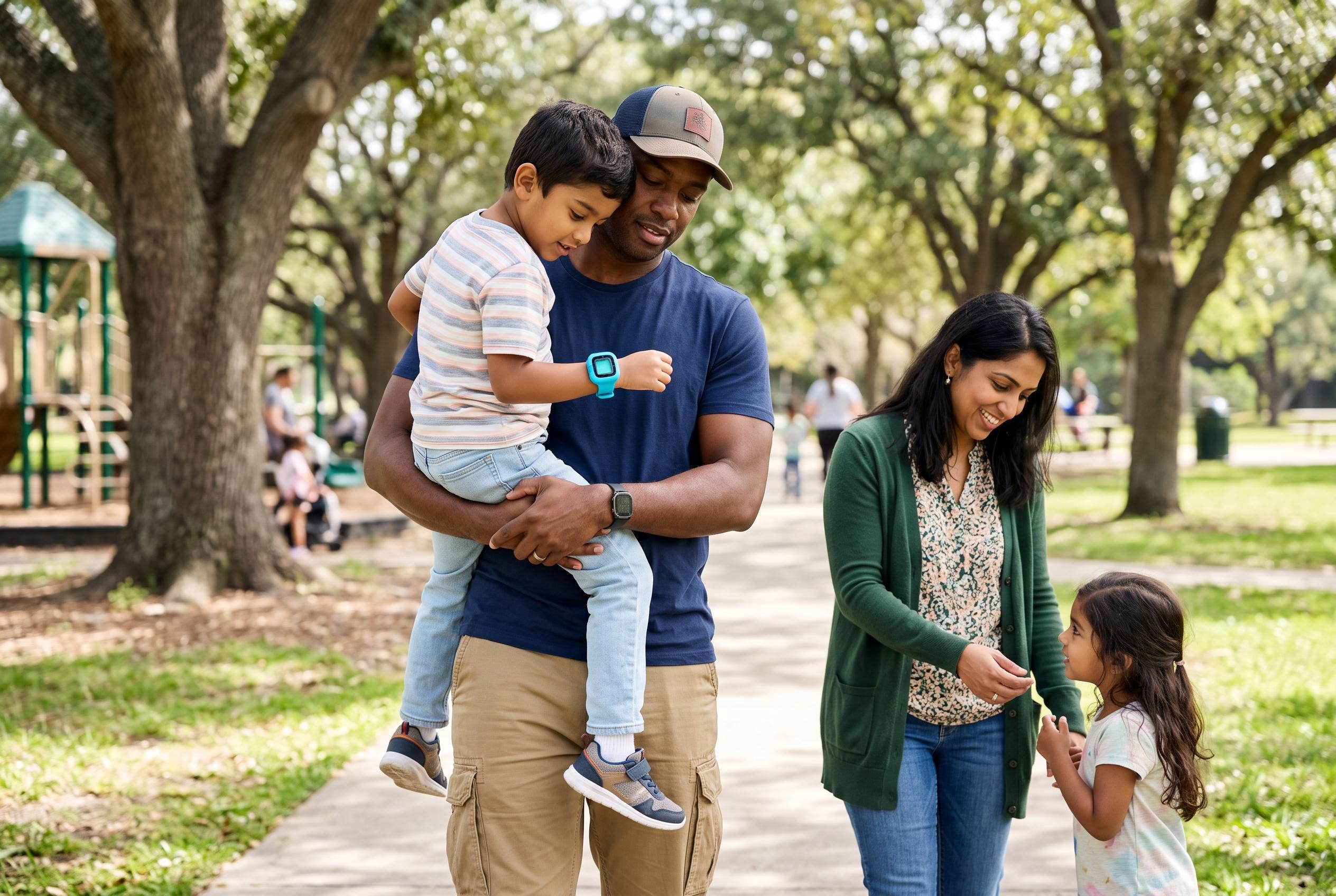
Warning signs often appear before a child leaves. Parents may notice pacing, agitation, movement towards doors or windows, or a sudden shift away from an activity. The most effective home protection tends to combine several measures rather than rely on one safeguard alone. Common steps include door and window alarms, high or double-keyed locks, fencing, GPS trackers, ID bracelets, bright clothing and swimming instruction. Healthline notes that families also benefit from a written safety plan, regular check-ins and emergency steps that can be used quickly if a child goes missing.
If a child does elope, speed is crucial. Families are advised to search first in places the child is likely to want to reach, such as a park or body of water, alert neighbours and contact police immediately rather than waiting. Many law enforcement agencies offer voluntary registries for people at risk of wandering, which can help responders act faster. Keeping a recent photograph ready to share can also save time.
Therapy can help reduce the behaviour over time. In applied behaviour analysis, clinicians typically begin with a functional behaviour assessment to identify what drives elopement, then use functional communication training to teach a safer way to ask for a break, request access or signal distress. A behaviour intervention plan can then set out prevention and response strategies for home and school. For school-age children, the issue should also be built into the Individualised Education Programme so staff understand the triggers, document incidents and respond consistently. Families in Illinois, Texas and Wisconsin can also access support through ATG, which says it works with parents on elopement as part of individualised treatment.
Disclaimer: This content is for informational purposes only and is not intended to be a substitute for professional medical judgment, advice, diagnosis, or treatment.