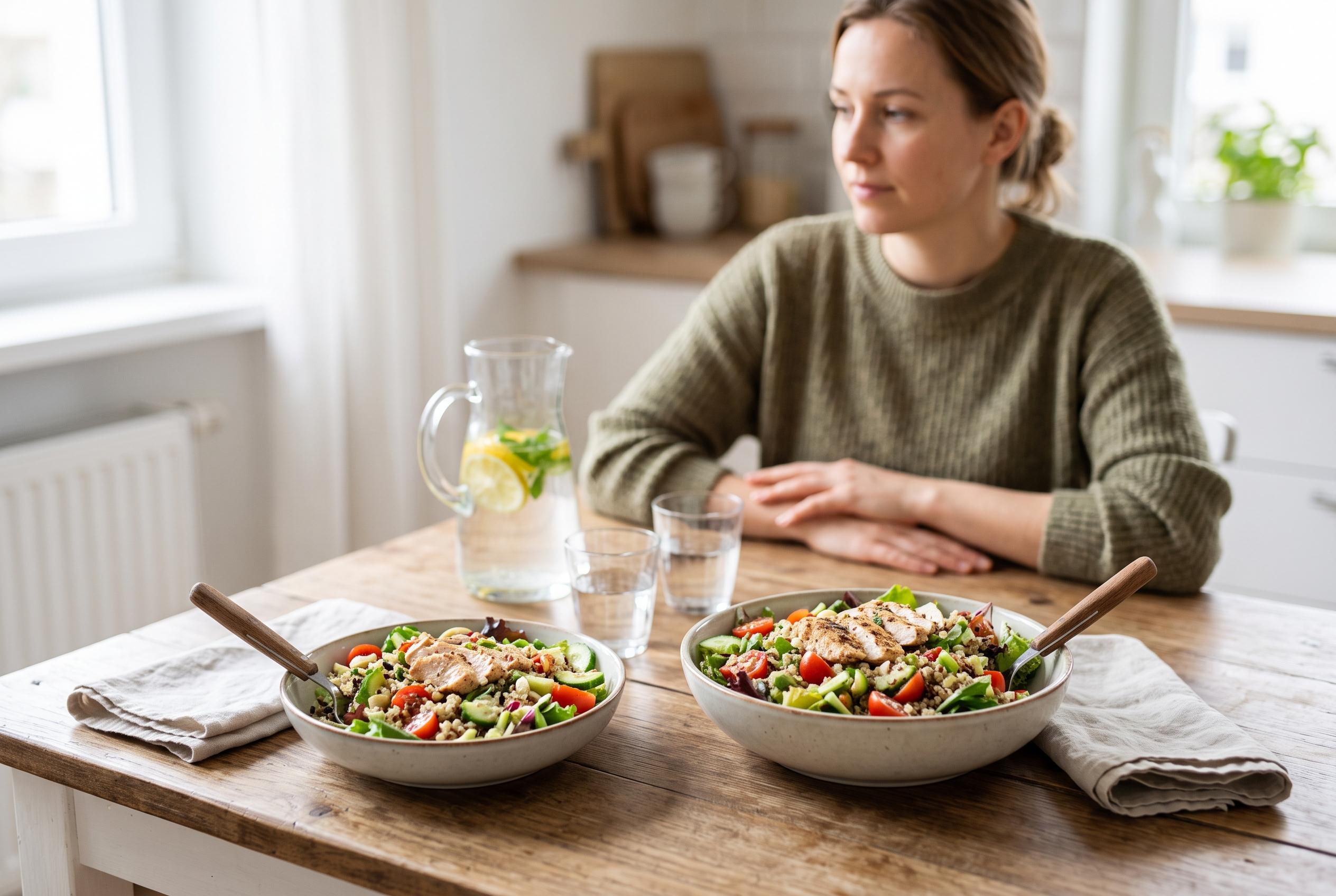

As portion sizes grow subtly larger, many unaware are consuming more than needed, highlighting the importance of mindful eating and serving practices to curb overeating and promote balance.
Portion distortion has crept into everyday eating so gradually that many people no longer notice it. What once looked like a generous meal can now seem ordinary, even when it far exceeds what the body needs. That quiet shift matters because bigger servings often lead people to eat more without feeling they have overeaten.
Researchers and nutrition writers have long linked this change to the steady growth of plates, packets and restaurant servings. Healthline explains that portion distortion is the tendency to see larger servings as normal, while Healthy Food notes that bigger dinner plates can make food appear smaller than it really is, nudging people to serve themselves more. A review published in Springer also found that larger portions tend to increase energy intake, helping to explain why the problem is not just perception but consumption as well.
The effect shows up at home and in restaurants alike. Young adults, according to research indexed on PubMed, often pour or serve themselves portions larger than standard reference amounts. That habit can be reinforced by oversized coffees, extra-large combos, snack packs and foods marketed as healthy but easy to overeat, such as granola, smoothies and trail mixes.
Nutritionists say rice has been unfairly singled out in many weight-loss conversations. The issue is usually not the grain itself but the amount on the plate and the lifestyle around it. As one nutritionist quoted in the Deccan Chronicle piece put it, “Rice is not the enemy.” The better question is whether the serving fits a person’s activity level, age and overall diet.
Psychologists say visual cues also matter. When a large plate, bowl or takeaway container becomes the everyday standard, it stops looking excessive. That can make it harder to recognise fullness, especially when people eat while watching television, working or scrolling on a phone. The result is a habit of eating on autopilot, rather than in response to hunger.
Experts generally recommend balance rather than restriction. A practical meal pattern is to fill half the plate with vegetables, add a protein source and keep carbohydrates in proportion. Some dietitians also suggest the hand method: a palm-sized portion of protein, a fist for carbs, two handfuls of vegetables and a thumb-tip of fats. The aim is not to fear familiar foods, but to bring serving sizes back into line with actual needs.
Disclaimer: This content is for informational purposes only and is not intended to be a substitute for professional medical judgment, advice, diagnosis, or treatment.