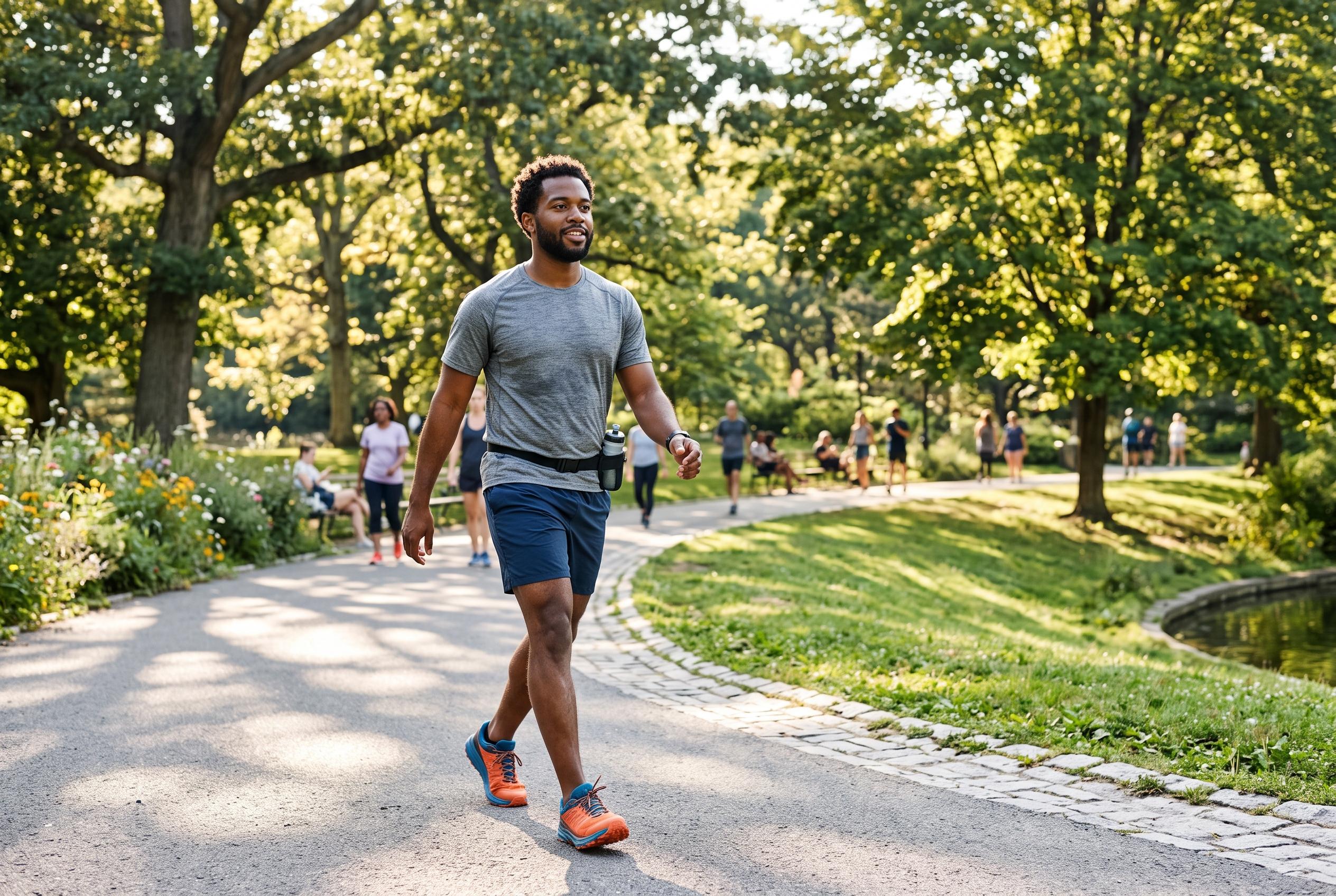

Engaging in regular physical activity, from aerobic workouts to dance and walking, can significantly reduce stress and anxiety by regulating hormones, improving mood, and fostering routines that support mental well-being, provided rest and professional help are incorporated when needed.
Exercise can be one of the simplest and most effective ways to bring stress down, even when the last thing you feel like doing is moving. The reason is not motivational fluff but biology: physical activity can help regulate stress hormones, ease muscle tension, lift mood and improve sleep, all of which matter when pressure starts to build. The Mayo Clinic says movement can also act like a form of active meditation, especially when exercise focuses attention on breathing and rhythm.
Research backs up the idea. A meta-analytic review in Psychiatry Research found that exercise has a modest effect on easing anxiety symptoms, which suggests it can be a useful part of a wider stress-management plan. That lines up with broader evidence reported in the British Journal of Sports Medicine, which found meaningful benefits for anxiety and psychological distress, with stronger effects often seen in people starting from a higher level of symptoms.
The good news is that there is no single best anti-stress workout. Aerobic exercise such as running, cycling or swimming can help people burn off tension, while strength training may offer a useful mental reset because it demands concentration. Yoga and other mind-body practices combine movement with breathing and attention, which can be especially calming. Walking is often overlooked, but it is one of the easiest ways to interrupt a stressful day, particularly if it is done outdoors.
Enjoyment matters as much as the exercise itself. A study covered by El País found that dancing can deliver psychological and cognitive benefits comparable with, and sometimes stronger than, more traditional forms of exercise. The appeal of dance is not just physical: because it is social and enjoyable, people are more likely to stick with it, and consistency is what turns exercise into a reliable stress buffer.
Dose matters too. The World Health Organisation recommends 150 to 300 minutes of moderate activity a week, plus muscle-strengthening work on 2 days, and that is a sensible target for both body and mind. But experts say the key is not heroic sessions here and there; it is regular movement that feels sustainable. A short daily walk, a few gym visits a week or a mix of cardio, strength and yoga can all help if they fit into real life.
There is, however, a limit to how far exercise can help. Training too hard, too often and without enough rest can become another source of strain, pushing the body back into a stress response instead of calming it down. Research on stress measurement using wearable sensors and cortisol, published on arXiv, suggests that the body’s recovery state matters as much as the activity itself. In practical terms, that means rest days are part of the plan, not a sign of failure. Exercise can be a powerful tool against stress, but when anxiety is persistent or overwhelming, it should complement professional help, not replace it.
Disclaimer: This content is for informational purposes only and is not intended to be a substitute for professional medical judgment, advice, diagnosis, or treatment.