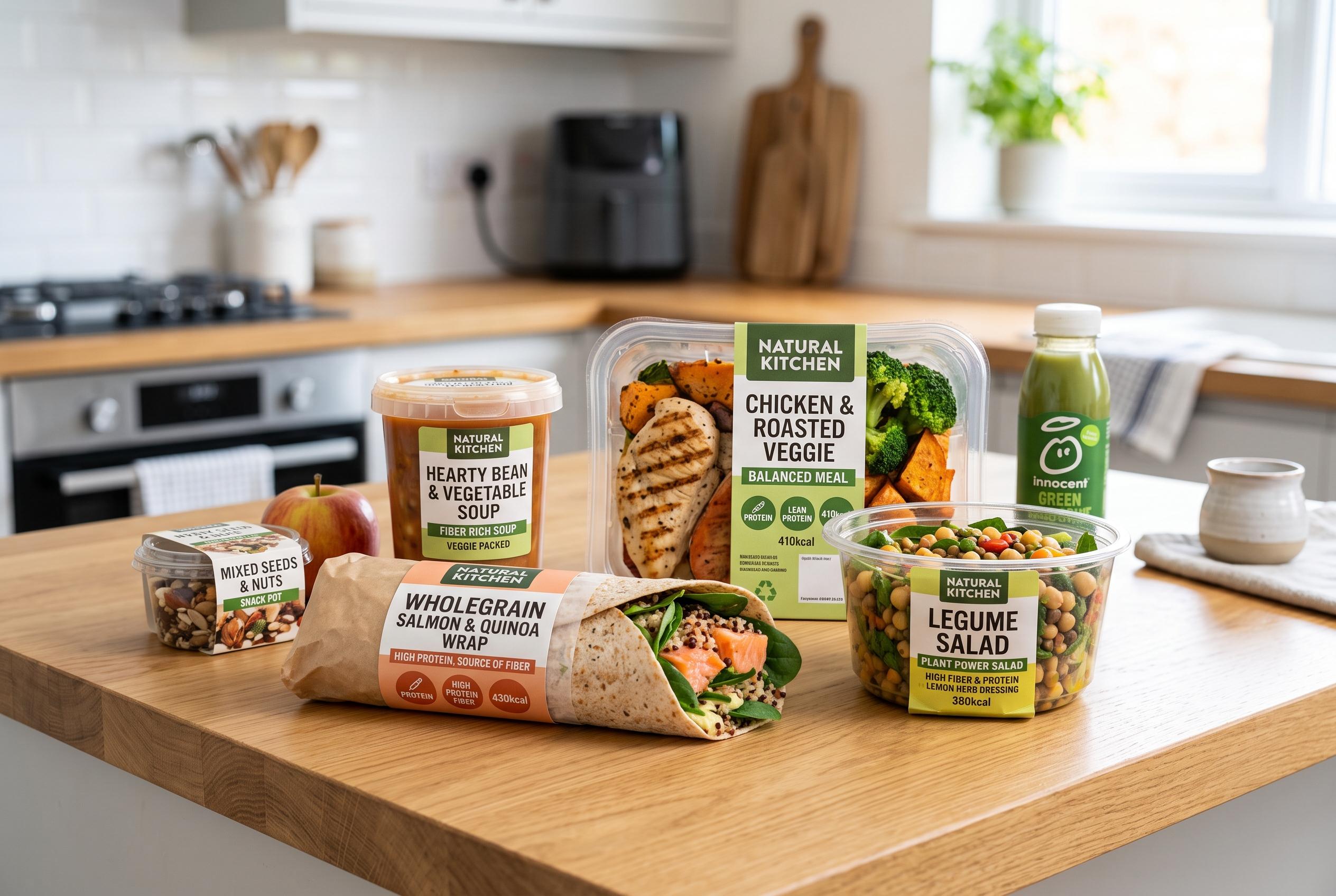

As over 7 million meal deals are sold daily across Britain, nutritionists highlight how to select healthier options that are rich in protein and fibre, amid increasing scrutiny of ultra-processed foods and overeating calories.
Meal deals remain one of Britain’s most convenient lunch habits, with more than 7 million main, snack and drink combinations sold every day. Yet their reputation has become more complicated as shoppers pay closer attention to ultra-processed foods, sugar and salt. Nutrition experts say the format can work, but only if the choices are made with some care.
According to the nutritionists cited by The Independent, the healthiest meal deals tend to share the same features: plenty of protein, a decent amount of fibre and as many plants as possible. Their picks ranged from bean-heavy wraps and seeded sandwiches to salad boxes built around quinoa, edamame and nuts. The common thread was clear enough: the best lunch is the one that helps keep blood sugar steady and leaves you satisfied for longer.
The article’s Tesco choice paired a bean wrap with nuts and a plain sparkling drink, while its Sainsbury’s option relied on a malted bread sandwich, carrot sticks, houmous and flavoured water. At Morrisons, one nutritionist opted for a ham-and-cheese combination with a fruit-based drink, praising its high protein content but noting its salt level may be less suitable for people watching their sodium intake. M&S was presented as a stronger high-street option, particularly for a salad featuring quinoa, edamame and cannellini beans, alongside a protein snack and kombucha or water.
That advice fits broader criticism of supermarket meal deals. Research and reporting cited in related coverage suggest that many bundled lunches are heavy on refined carbohydrates, saturated fat, salt and sugar, with some sandwiches delivering 400 to 550 calories and relatively little protein. A separate University of Birmingham study reported by The Independent found that most supermarket dine-in meal deals exceed the government’s 600-calorie dinner guideline, underlining how easy it is to overshoot without noticing.
Even so, nutritionists say the answer is not to banish meal deals altogether. Kerry Beeson, a nutritional therapist at Prep Kitchen, said the ideal lunch should combine fibre and fermented foods where possible and include at least two portions of fruit and vegetables. Anna Markusson, a clinical nutritionist at Bettervits, added that variety matters too, warning against repeating the same “healthy” choice every day. Their bottom line was simple: if time forces you into the meal-deal aisle, choose the most wholefood-heavy option available and save the crisps and fizzy drinks for the rare occasion.
Disclaimer: This content is for informational purposes only and is not intended to be a substitute for professional medical judgment, advice, diagnosis, or treatment.