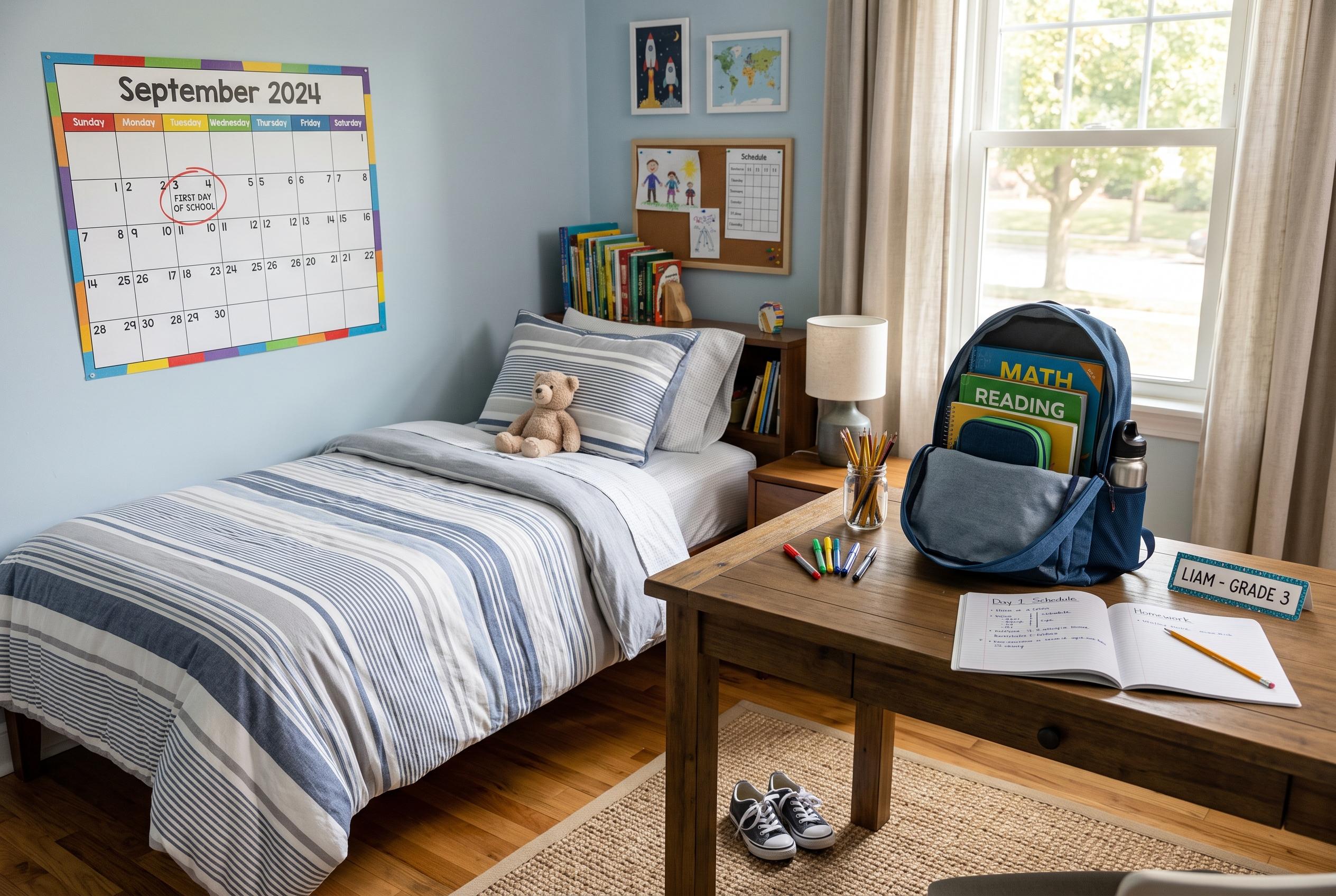

As children gear up for the new school term, experts highlight how parents can distinguish between normal nerves and anxiety requiring professional support, with early signs including behavioural changes and sleep disruptions.
For many families, the start of a new school year brings a mix of anticipation and unease. For some children, those feelings are brief and manageable. For others, they can spill into headaches, stomach aches, poor sleep or changes in mood and behaviour, making it harder to tell ordinary first-day nerves from anxiety that needs closer attention.
In metro Detroit, parents described preparing young children with books, puzzles and time around other children before the school year begins. One grandmother told WXYZ that her 3-year-old grandson has grown more comfortable through activities such as vacation Bible school, where he learned he enjoys being with other children. That kind of gradual preparation is one approach experts commonly recommend as families ease back into school routines.
Dr Julie Brackiszewski, clinical director at Monarch Behavioural Health, told WXYZ that anxiety in children does not always present as obvious worry. Some children become irritable, disorganised or oppositional, while others start to avoid activities they usually like. Health experts at Johns Hopkins Medicine, Children’s Health and Harvard Health say other warning signs can include sleep disruption, frequent physical complaints, trouble concentrating and repeated requests for reassurance.
Parents interviewed by WXYZ said they recognise that shift in their own children. One Detroit mother said her 5-year-old son becomes noticeably more irritable when anxious. Another parent, Courtney, said she has been checking in daily with her daughter as she prepares to move from middle school to high school, a transition that can feel especially daunting because of new expectations, teachers and social pressures.
Brackiszewski advised parents not to rush immediately into fixing the problem. Instead, she suggested acknowledging the fear first, then helping the child work through it. She described a simple approach: catch the feeling, check what is behind it and then change the perspective. Other recommended steps include visiting the school, walking class schedules where possible and easing children back into earlier bedtimes and wake-up times well before the first day. The Sleep Foundation says too little sleep can intensify the brain’s fear response, which may make anxiety worse the next day.
Experts say it is time to seek help if anxiety starts to interfere with sleep, eating, daily routines or school attendance, or if it continues for more than a few weeks. In those cases, a paediatrician or mental health professional can help determine whether the child is dealing with temporary nerves or something that needs more support.
Disclaimer: This content is for informational purposes only and is not intended to be a substitute for professional medical judgment, advice, diagnosis, or treatment.