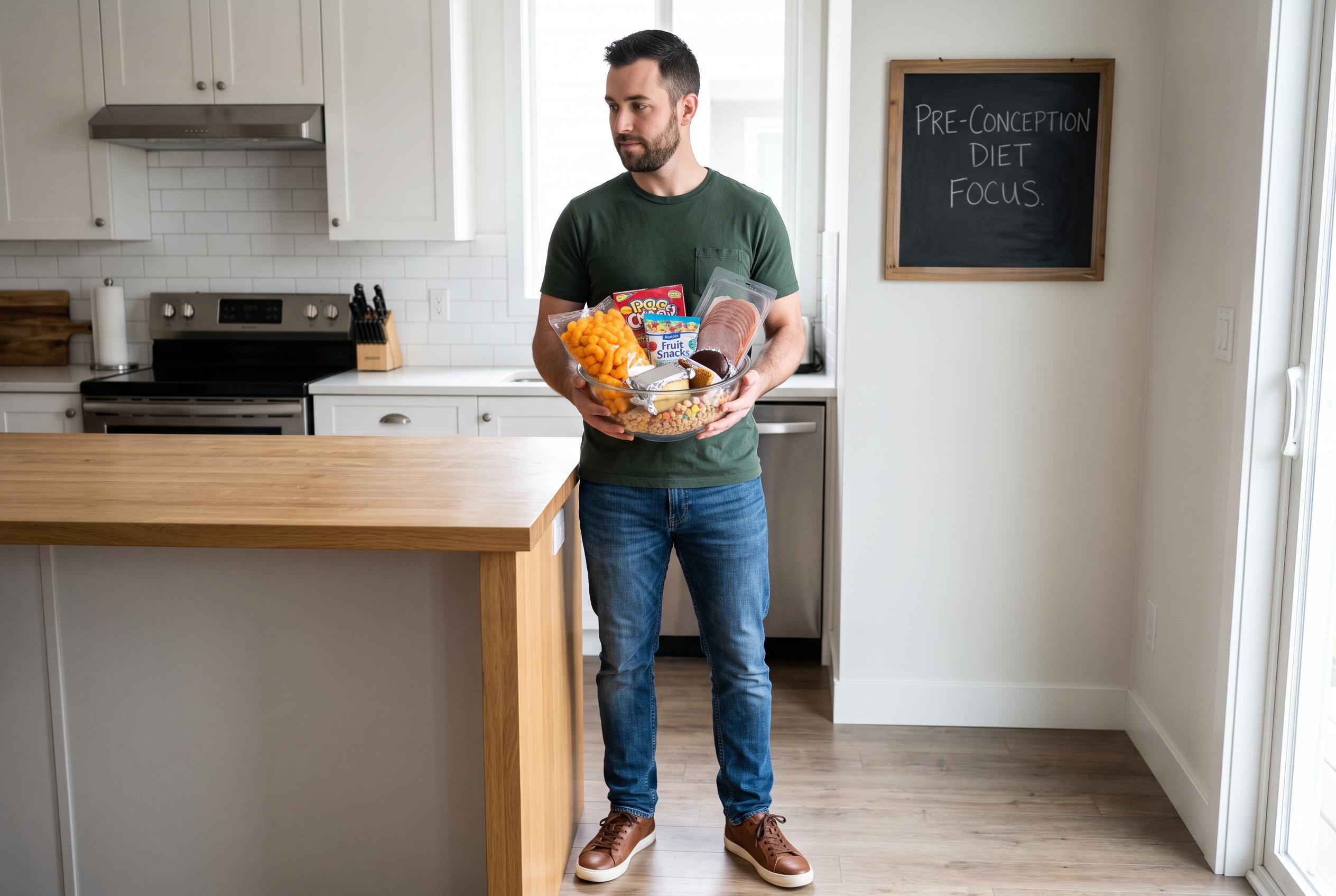

Research from the University of São Paulo suggests that a father’s diet before conception, especially high intake of ultra-processed foods, may influence newborn size and body composition, highlighting the importance of paternal nutrition in early development.
A father’s diet before conception may influence more than his own health, according to new research from the University of São Paulo that links heavy consumption of ultra-processed foods with larger measurements in newborns. The study, published in Nutrition Research, suggests that paternal nutrition in the run-up to pregnancy could be associated with a baby’s size and early body composition, adding to a growing body of work showing that pre-conception health matters for both parents.
The Brazilian team studied 43 families, including mothers, fathers and infants cared for in the public health system in Ribeirão Preto. Parents were asked about food and drink intake over the previous 24 hours on two occasions, and researchers estimated how much of their daily energy came from ultra-processed products. After birth, the babies were assessed for weight, length, body measurements and skinfold thickness, a standard way of estimating fat distribution. According to the report shared by EurekAlert!, fathers in the study got about 30% of their energy from ultra-processed foods on average, with processed meat, sugary drinks and biscuits among the most common items.
The researchers found that higher paternal intake was associated with greater birthweight, a higher weight-to-length ratio and thicker skinfolds around the thighs and hips. They were careful to note that this does not necessarily mean babies had more fat throughout the whole body, only that the effect appeared to be concentrated in certain areas. The findings are observational, so they show an association rather than proving that the father’s diet caused the differences seen in the infants.
One theory is that a poor-quality diet before conception could affect sperm, including epigenetic marks, which are chemical changes that can alter how genes work without changing DNA itself. The researchers also pointed to possible roles for inflammation and oxidative stress, both of which can be linked with diets high in ultra-processed foods. They highlighted IGF-II, a gene inherited from the father that helps regulate growth during pregnancy, although they said they did not directly measure epigenetic changes in sperm in this study.
The results fit with earlier evidence that paternal health before conception can matter. A prospective cohort study published in Nutrition & Diabetes found that paternal weight before conception was associated with infant birthweight in a large group of newly married couples in China. Other research has also shown that maternal diet before pregnancy can influence newborn size, and studies in infants have linked ultra-processed food intake with faster weight gain and a higher risk of overweight and obesity. Together, the findings suggest that family planning advice may eventually need to look beyond maternal nutrition alone.
For now, the practical message is straightforward: diets centred on minimally processed foods and lower in processed meat, sweetened drinks, packaged snacks and other ultra-processed products are likely to be the healthier choice whether or not a pregnancy is being planned. Larger studies will be needed to determine whether the pattern seen in the Brazilian families holds up and to clarify how paternal diet might shape early development.
Disclaimer: This content is for informational purposes only and is not intended to be a substitute for professional medical judgment, advice, diagnosis, or treatment.