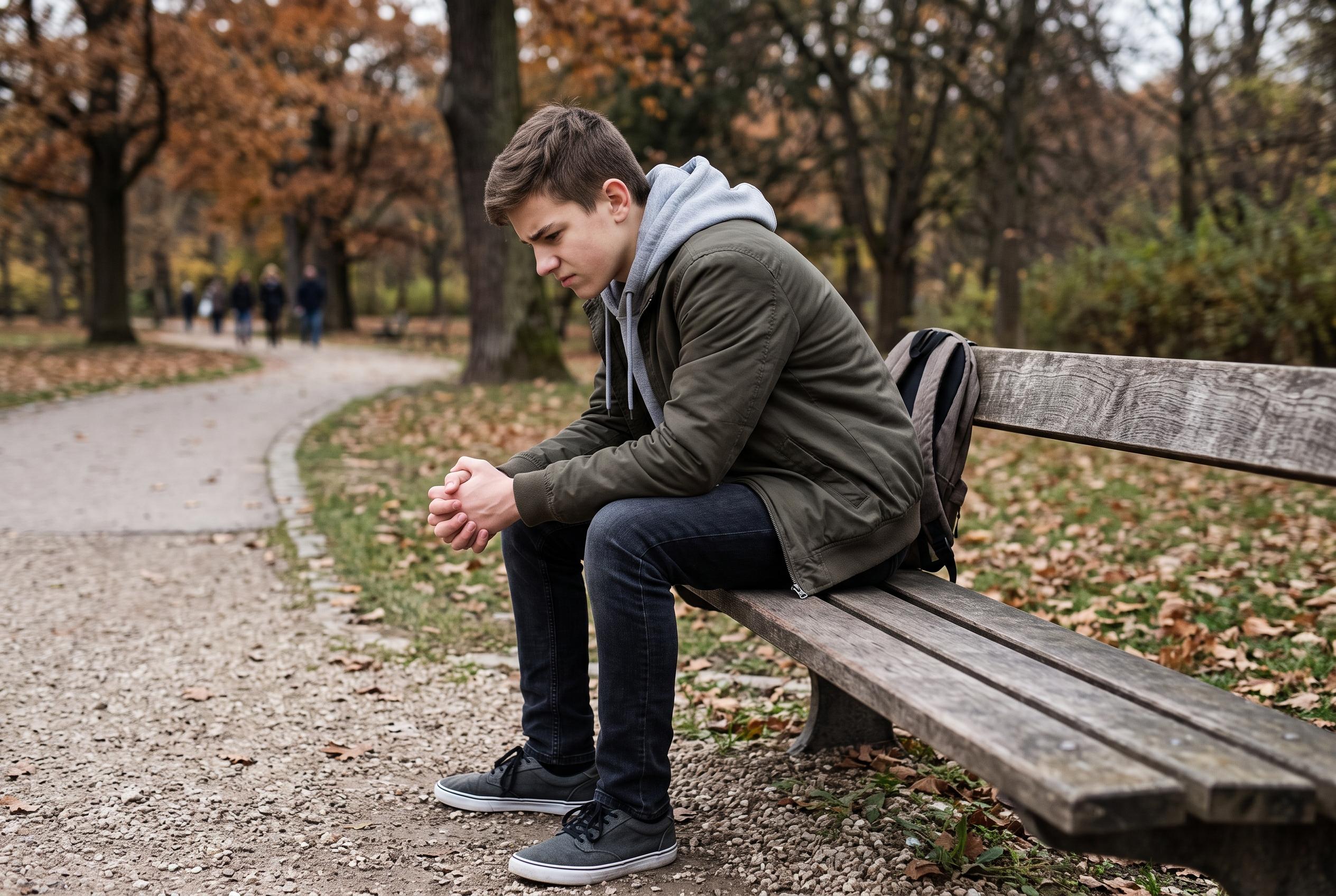

Growing awareness reveals that teenage boys often display irritability and physical symptoms rather than sadness, emphasising the importance of early detection and treatment for better outcomes.
Teenage boys with depression do not always look sad. In many cases, the signs are irritability, anger, risk-taking or a slow retreat from friends, sport and family life, according to guidance from Mayo Clinic, Cleveland Clinic, Johns Hopkins Medicine and WebMD. That can make the condition easy to miss until it has already taken hold.
The warning signs can also be physical. Headaches, stomach aches, changes in appetite, disrupted sleep, low energy and unexplained aches and pains are all common in depressed teenagers, MedlinePlus says. If those symptoms last for more than 2 weeks and start to affect school, relationships or everyday routines, Cleveland Clinic and Johns Hopkins Medicine advise seeking a professional assessment.
The stakes are especially high in California, where Mission Prep says youth anxiety and depression rates rose sharply between 2016 and 2020. The centre also says only about 63.9% of adolescents aged 12 to 17 with a major depressive episode received treatment in the past year, leaving many without care. That gap matters because untreated depression in teenagers is linked to academic problems, substance misuse, family strain and suicide risk, according to the medical sources.
Parents and caregivers are often best placed to spot the change when a son is not acting like himself. Family conflict, bullying, trauma and a family history of mental illness can all raise the risk, and a stressful event can tip a vulnerable teenager into depression. If a boy is becoming angry, isolated, exhausted or reckless, the right response is not to wait for him to “snap out of it” but to talk, get a paediatrician involved and arrange a mental health evaluation.
Treatment can work. Mayo Clinic and Johns Hopkins Medicine describe therapy as a key first-line option, while Mission Prep highlights cognitive behavioural therapy, or CBT, and dialectical behaviour therapy, or DBT, as evidence-based approaches that can help teenagers challenge damaging thought patterns and build better coping skills. For more severe cases, or when safety is a concern, a structured residential programme may provide the support a teen needs. The important point is that depression in boys is treatable, and earlier help usually leads to better outcomes.
Disclaimer: This content is for informational purposes only and is not intended to be a substitute for professional medical judgment, advice, diagnosis, or treatment.