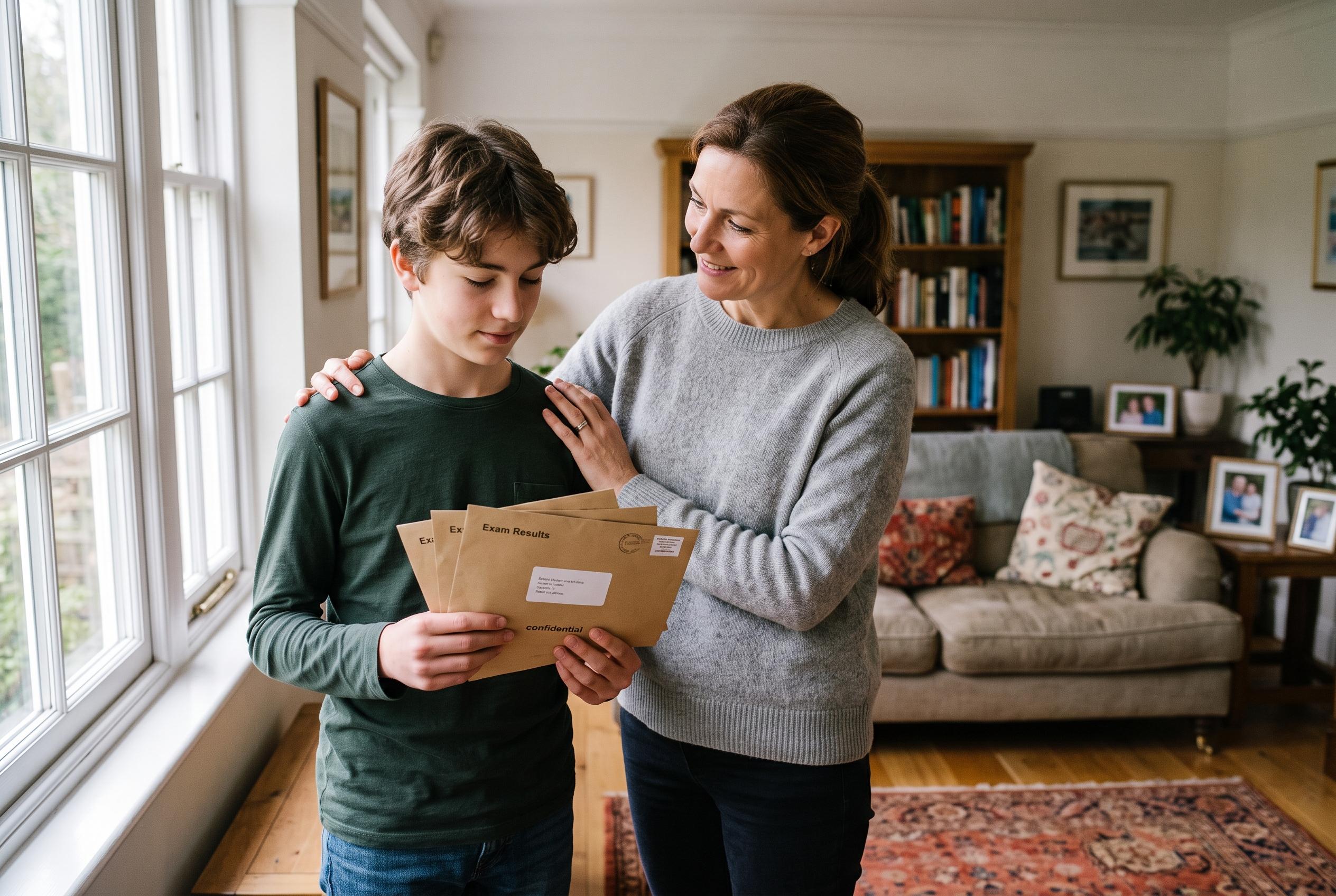

As A-level and GCSE results are released, the NSPCC highlights the increasing emotional pressure on students, urging families to provide reassurance and support amidst concerns over the impact of grades on young people’s futures.
The NSPCC is urging students and families to seek support as A-level results are released, warning that results day can carry a heavy emotional burden for young people already under pressure about their next steps. With GCSE results due next week, the charity said the run-up to results, the day itself and the days afterwards can all be especially difficult for children and teenagers trying to cope with uncertainty about university, work or apprenticeships.
Childline said it delivered 706 counselling sessions in 2024/25 in which exam results were a main concern, with the busiest month in August and another spike in May. The charity said many young people who contacted it worried that their grades would shape the rest of their lives, while others described pressure from family members, teachers and peers, and the strain of seeing classmates post comparisons on social media.
The wider picture suggests exam stress is a persistent issue. Between April 1, 2024 and March 31, 2025, Childline handled 1,647 counselling sessions involving exam or revision stress, with May 2024 the peak month at 359 sessions. The charity said common themes included self-imposed pressure, family expectations, difficulty balancing revision with the rest of life, sleep disruption and fears about the future if exams did not go to plan.
The NSPCC said parents and carers should respond with reassurance rather than dismissal, and should remind children that exam grades do not define them. It advised families to talk through alternative routes if results are disappointing, celebrate effort as well as success and encourage young people to look after their wellbeing by eating properly, sleeping well and making time for things they enjoy. Childline is available on 0800 1111, with more support also offered through the NSPCC website.
Disclaimer: This content is for informational purposes only and is not intended to be a substitute for professional medical judgment, advice, diagnosis, or treatment.