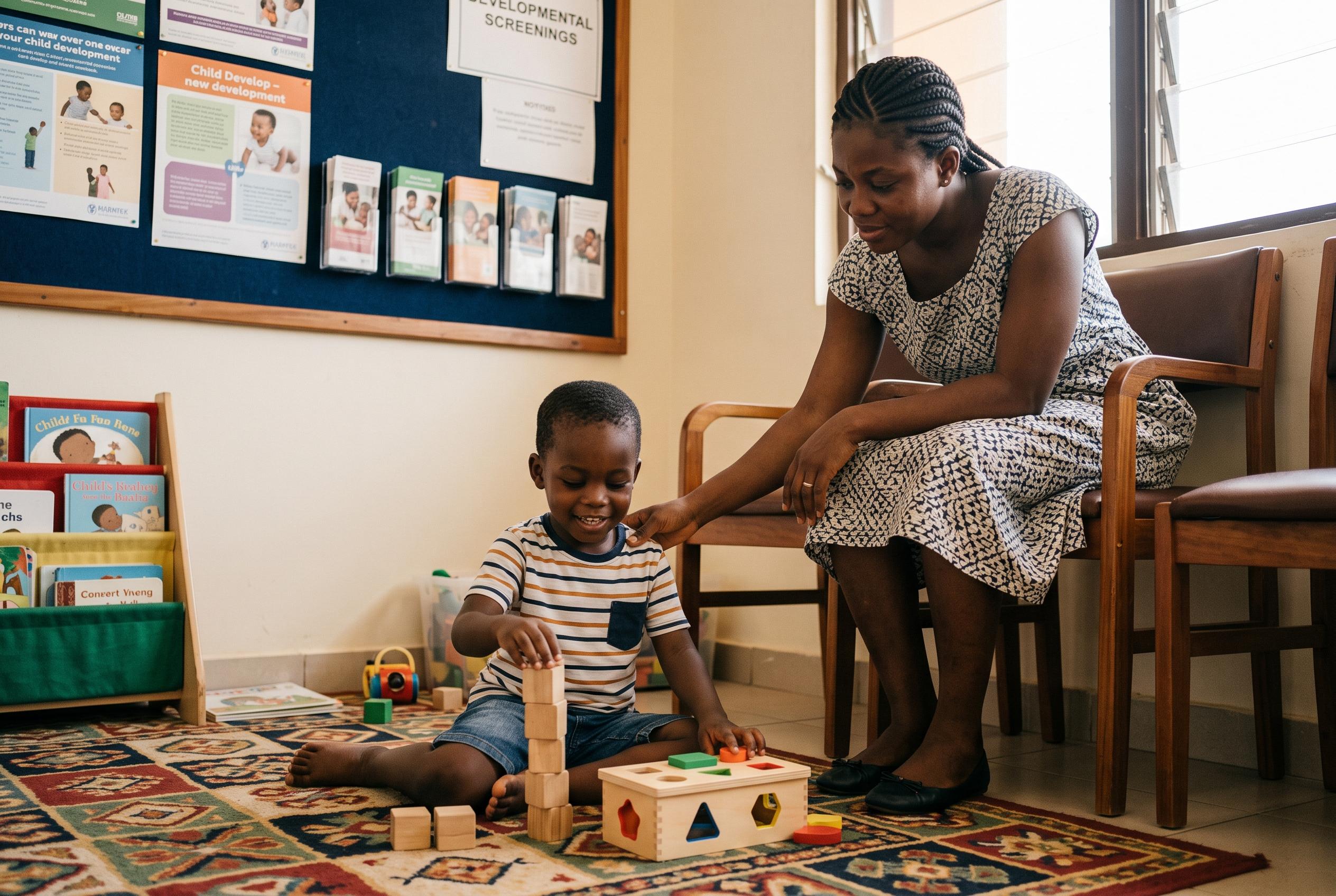

New research highlights persistent gaps in autism diagnosis and support for Black children in the US, revealing systemic barriers and delays that hinder early intervention.
Black children in the US are still waiting far too long for autism diagnoses and support, even as screening has improved overall, according to research summarised by Autism Parenting Magazine and studies published in Pediatrics and related journals. National estimates show autism now affects about 1 in 31 8-year-olds, but families are not reaching diagnosis or services on the same timetable: in one study of 584 Black children, parents first noticed developmental differences at about 23 months, raised concerns roughly six months later and did not receive a diagnosis until after age 5. Researchers say that gap can close the door on early intervention, which is when treatment is most effective.
The reasons are not simple, but the evidence points to a mix of systemic and practical barriers. Reviews of the field describe distrust of healthcare providers, experiences of discrimination, shortages of culturally competent specialists, poor insurance coverage, transportation problems and a lack of clear information about developmental milestones. A separate study found Black children were less likely than white children to be given an autism diagnosis on their first specialist visit, with ADHD, adjustment disorder and conduct disorder more common initial labels. That matters because it can delay proper support and, in some cases, steer children into more punitive systems before their developmental needs are recognised.
The disparity does not end with diagnosis. Studies have found that the average age at diagnosis remains between 4 and 7 years, with children from lower-income, racial minority and rural backgrounds facing the longest waits. Black families are also more likely to live in medically underserved areas and to rely on Medicaid, which researchers say can make it harder for clinics to expand services because reimbursement rates are low. In one study highlighted in the literature, Black children with autism were more likely than white children to also have intellectual disability, a pattern experts say may reflect later identification as well as possible diagnostic error.
Researchers and advocates say reducing the gap will take more than better screening forms. The literature points to the need for a more diverse neurodevelopmental workforce, stronger outreach in underserved communities, better links with programmes such as Nurse-Family Partnership and Early Head Start, and assessments that take culture and language into account. Autism experts also say more research is needed on how autism presents in Black children and adults, and on long-term outcomes for children who were diagnosed late and had to fight for support through schools and healthcare systems.
Disclaimer: This content is for informational purposes only and is not intended to be a substitute for professional medical judgment, advice, diagnosis, or treatment.