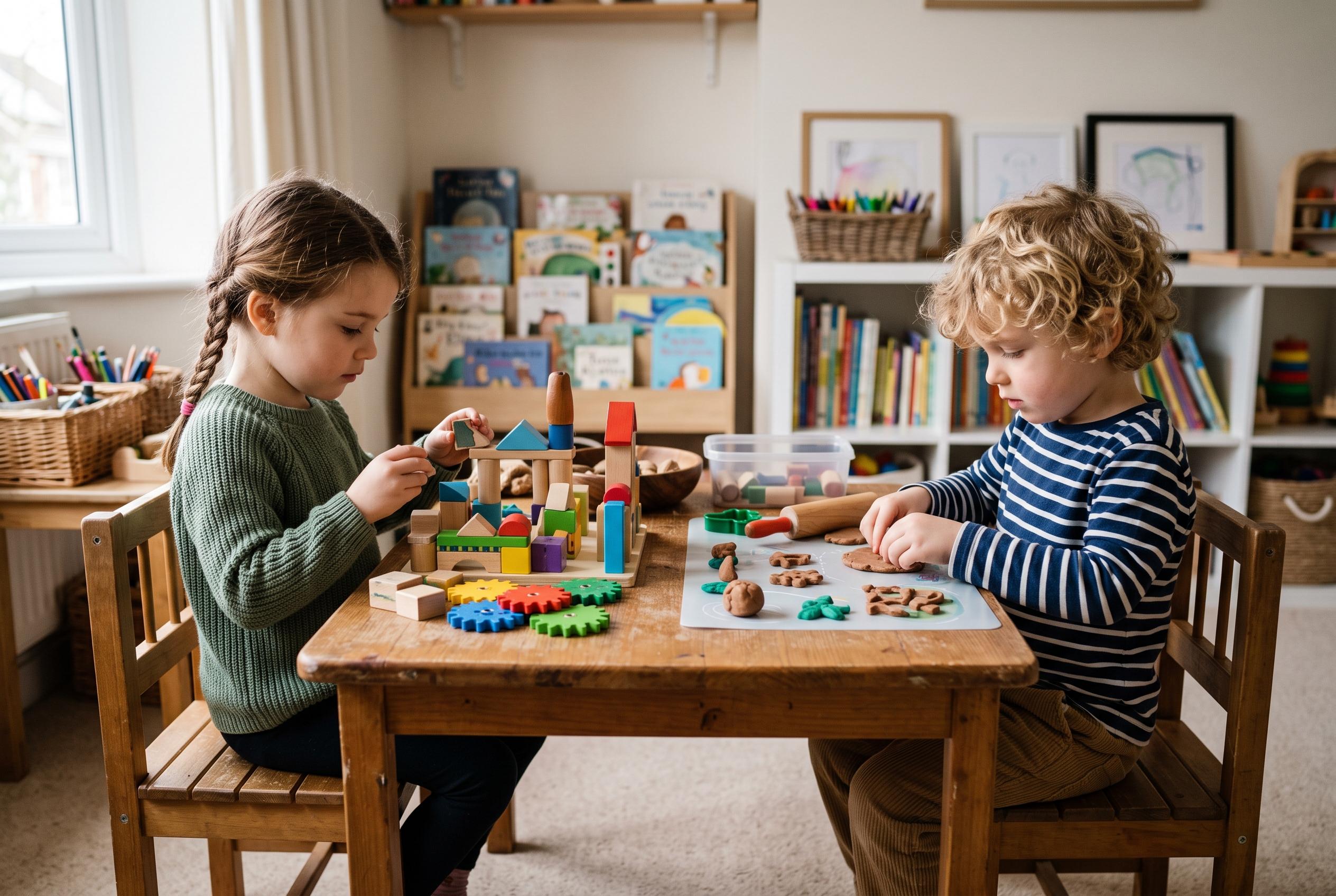

Studies show that comparing children to their siblings can negatively influence their self-esteem, mental health, and family dynamics, emphasising the importance of focusing on individual growth instead.
Parents may think they are encouraging healthy competition when they compare one child with another, but research suggests the opposite can happen. A child who is told a sibling is brighter, more capable or more diligent may begin to see that difference as proof of inadequacy rather than motivation. According to a study of 388 European American families, parents’ beliefs about differences in academic ability were linked to later differences in siblings’ grades and interests, with the child seen as more competent tending to do better the following year.
That finding fits with a wider body of work showing that parental comparisons can shape how children see themselves and how they relate to their family. A longitudinal study in Taiwan found that academic comparisons between siblings can affect adolescent well-being by altering parent-child relationships, parental support and children’s self-evaluation. In other words, a casual remark about one sibling’s grades can do more than sting in the moment: it can feed into a child’s sense of identity and, over time, influence mental health and behaviour.
The damage is not limited to schoolwork. Developmental research on sibship variables, including birth order, age spacing and sibling composition, shows that children in the same household can follow very different paths in intelligence, achievement, creativity, personality and social development. Other research has found that family structure matters too, with adolescents living with step- or half-siblings reporting poorer educational outcomes than those without non-traditional siblings. The broader lesson is that differences between children are normal, not evidence that one deserves more praise or pressure than another.
That is why the most harmful comparisons often reach beyond grades. Appearance, confidence, social skills, talents, behaviour, maturity and even adult achievements can all become yardsticks in a family. Yet a quieter child is not automatically less capable than an outgoing one, and a child who develops later is not necessarily less responsible than a sibling who seems to do everything sooner. When parents rank these traits, children can start to believe that love and approval depend on performing better than the person next to them.
The effect can also run in the other direction. A child who is repeatedly cast as the clever, responsible or successful one may carry the burden of maintaining that identity. Research discussed by the American Psychological Association has linked perceptions of unequal parental treatment with poorer mental health and strained sibling relationships, suggesting that comparison can place pressure on both the favoured child and the one left feeling overlooked. Over time, siblings may come to see each other as rivals for attention rather than as allies.
A better approach is to notice differences without turning them into a contest. Parents can focus on progress instead of ranking, on support instead of shame and on individual strengths instead of family-wide labels. That means asking what a child needs, what is getting in the way and how growth can be encouraged on that child’s own terms. Children are more likely to thrive when they are judged against their own development, not against a brother or sister’s timetable.
Disclaimer: This content is for informational purposes only and is not intended to be a substitute for professional medical judgment, advice, diagnosis, or treatment.