
Research involving over 15,000 children indicates that everyday activities like reading, puzzles, and crafts at home can help reduce early cognitive disparities associated with family income, highlighting the importance of parental involvement in promoting equitable learning outcomes.
A study of more than 15,000 children suggests that everyday home activities such as reading, puzzles and crafts may help narrow early cognitive gaps linked to family income, especially in working memory, a skill that underpins reasoning, planning and following instructions.
Published in Learning and Individual Differences, the research followed 15,437 students across the United States from kindergarten through fifth grade and used a reverse-number task to track working memory over time. The pattern was clear: children from higher-income families tended to begin school with stronger skills, while those from lower-income households often improved quickly at first before their progress slowed earlier.
That widening gap echoes earlier research on socioeconomic differences in child development. A study published by Springer found that income-related disparities in early cognitive skills are more pronounced in the United States than in countries such as the UK, Australia and Canada, and that the divide often grows by the end of primary school. Other work has also linked parental time investment to child outcomes, with National Bureau of Economic Research papers finding that reading, homework help and other educational activities are closely tied to cognitive development.
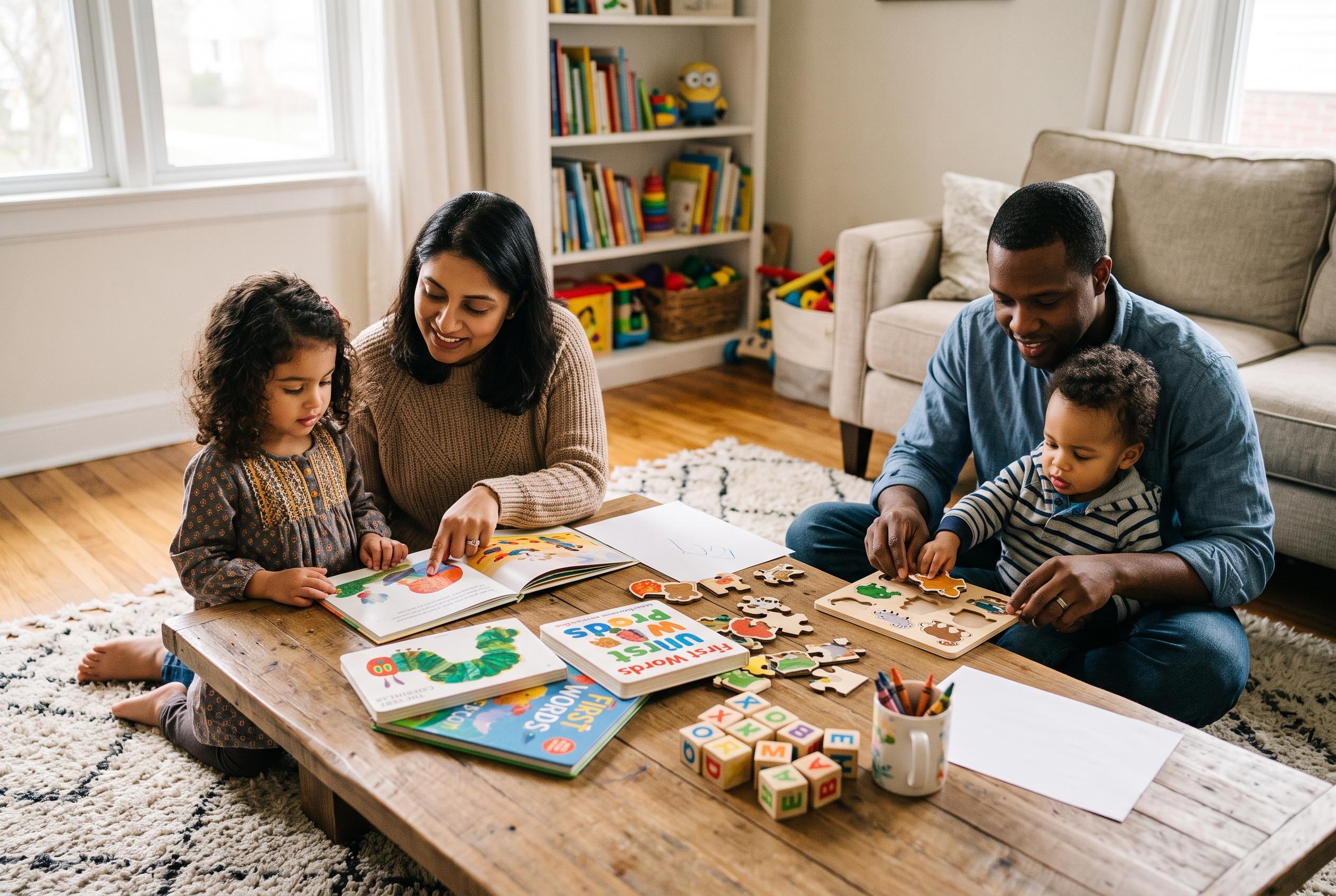
The new study suggests that what parents do at home may matter as much as how much money they have. Children from lower-income families who were regularly read to, did arts and crafts or worked on puzzles with parents entered school with stronger working memory and continued improving for longer, looking more like their better-off peers. By contrast, physical punishment was associated with weaker working memory across income groups, although it did not appear to change the gap itself. The researchers cautioned that the parenting information was self-reported, but said the findings point to a practical way families can support long-term learning.
Disclaimer: This content is for informational purposes only and is not intended to be a substitute for professional medical judgment, advice, diagnosis, or treatment.