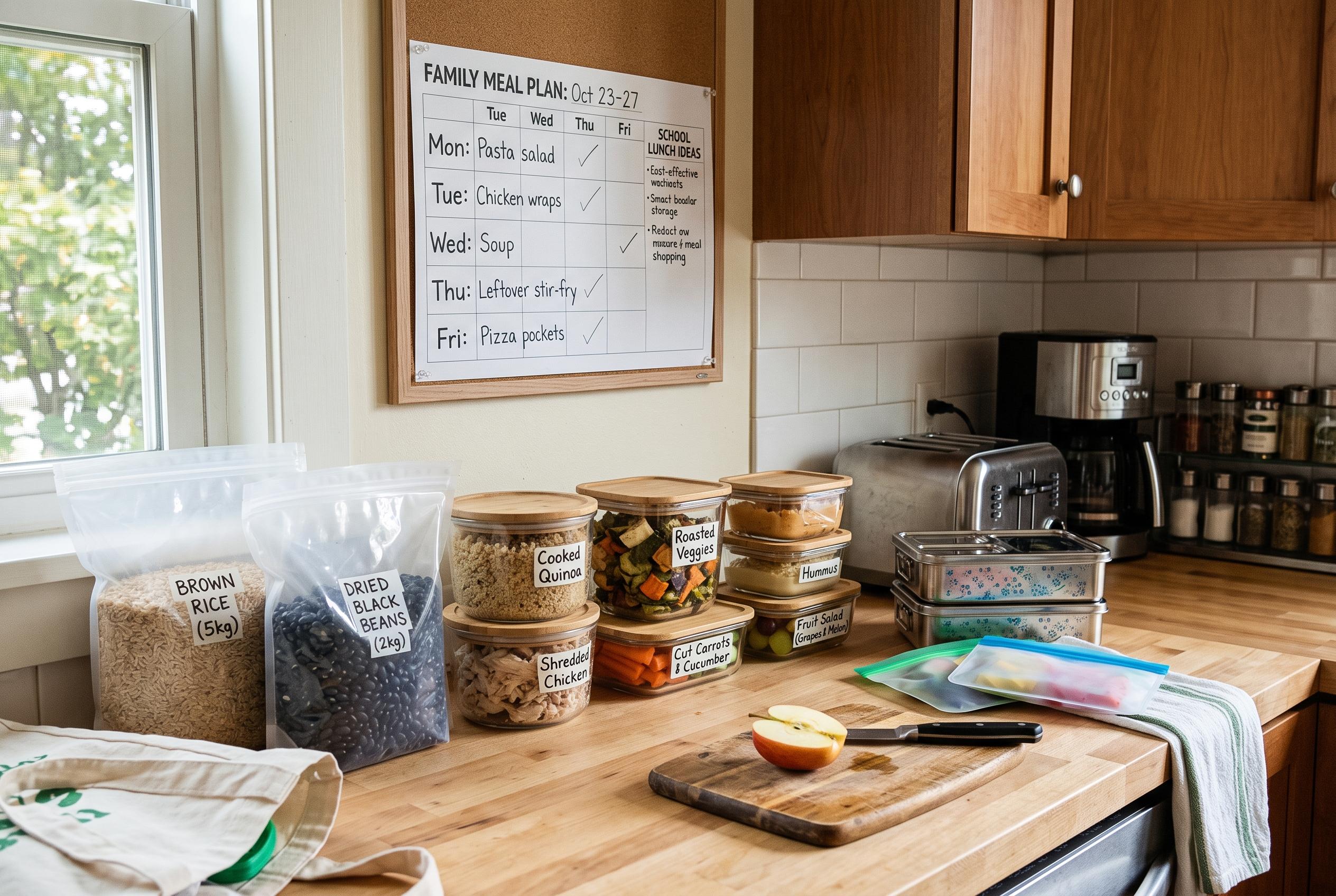

Simple changes like batch-cooking, planning ahead, and using bulk-buy staples can lower the expense of packing school lunches, transforming an everyday chore into a cost-effective routine.
Packing school lunches every day can quietly strain a household budget, but a few routine changes can make the habit far less expensive. The central idea, echoed across several money-saving guides, is simple: buy less convenience food, prepare more at home and rely on planning rather than last-minute purchases. That means using what is already in the kitchen, stretching ingredients across several meals and treating lunch prep as part of the weekly food routine rather than an extra chore.
One of the most effective ways to cut costs is to prepare components in advance. Rather than assembling everything the night before, families can batch-cook fillings, portion out fruit and vegetables or make complete lunches over the weekend. Several guides also recommend turning dinner leftovers into the next day’s packed lunch, which reduces waste as well as spending. This approach works especially well when meals are planned with lunch in mind, such as roast chicken becoming wraps or pasta being repurposed into a cold salad.
Another recurring theme is replacing single-serve products with bulk purchases and reusable containers. Buying snacks, crackers, cheese and other staples in larger packs usually lowers the unit price, and dividing them at home keeps portions manageable. Homemade versions of store-bought favourites, including pocket sandwiches and simple snack boxes, can be tailored to a child’s tastes while avoiding the premium attached to branded convenience foods. Some advice also stresses investing in durable lunch boxes, bottles and containers to reduce reliance on disposable items.
Practicality matters too. The best lunch savings tend to come from routines that children will actually accept, whether that means including familiar foods, using insulated containers for more varied meals or letting children help choose and pack what goes into their boxes. The overall lesson from the various guides is that saving money on school lunches is less about deprivation than consistency: shop strategically, prepare ahead and reuse what you already have. Over a school term, those small decisions can add up to meaningful savings.
Disclaimer: This content is for informational purposes only and is not intended to be a substitute for professional medical judgment, advice, diagnosis, or treatment.