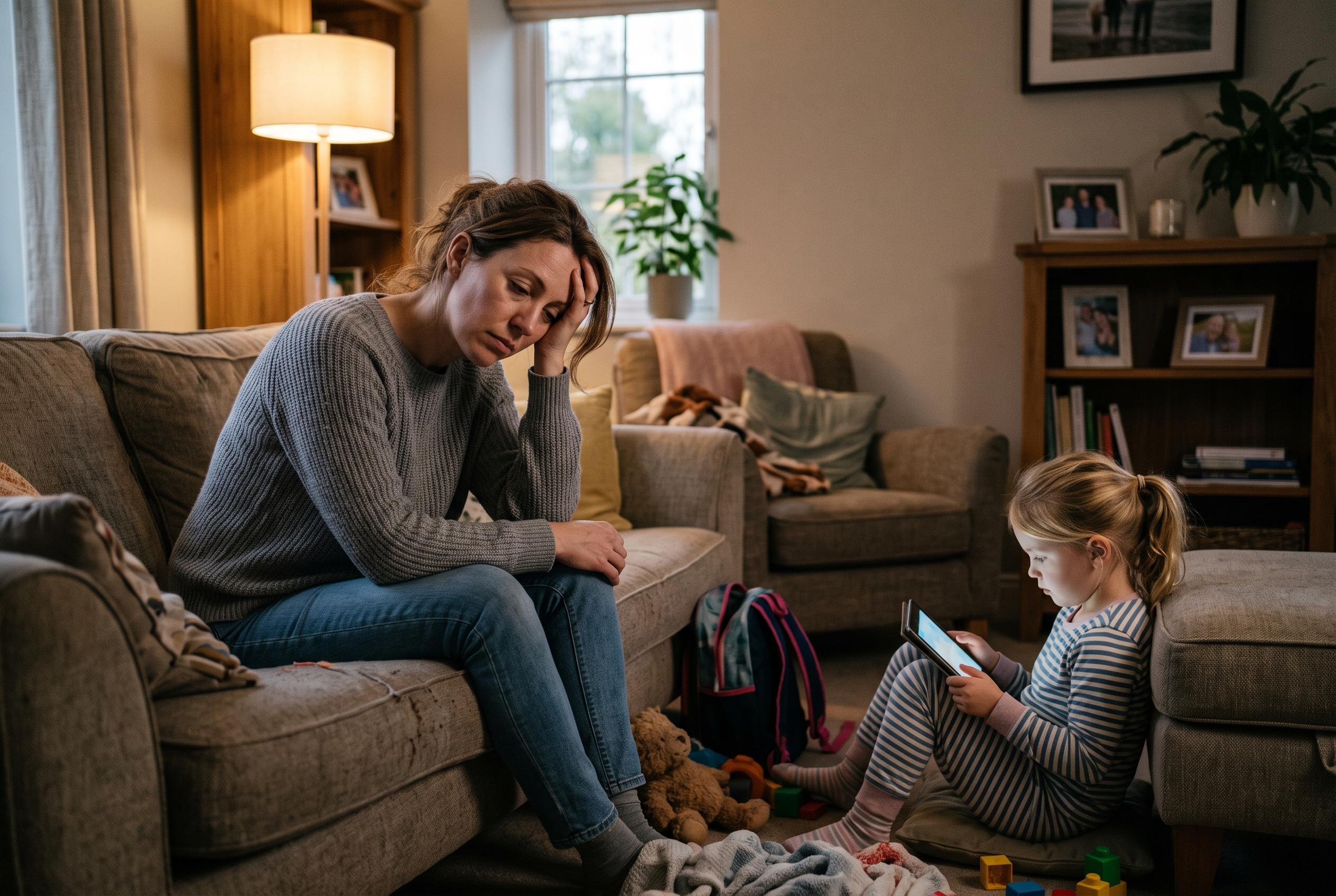

A Florida International University study finds that parental stress may drive children’s screen use, highlighting the importance of support and routines for healthy habits.
Stress at home may be feeding children’s screen habits, according to a new study from Florida International University that suggests the problem is not simply the devices themselves but the pressure parents are under when they turn to them.
Researchers surveyed 822 parents and caregivers of children aged 4 to 8 and found that screens often become the easiest way to manage a difficult moment, keep a child occupied while adults work or rest, or buy time when family life feels overwhelming. That does not mean stressed parents are deliberately creating dependency, but it does show how quickly a practical fix can become a routine part of daily life.
The findings fit with wider paediatric advice that screen use is less harmful when it is limited, purposeful and age-appropriate. The Mayo Clinic says excessive screen exposure can contribute to sleep problems, obesity and delays in development, while Children’s Health warns that too much time on devices can affect language, cognitive and social growth. Both advise parents to set clear limits, stay involved in what children are watching and offer alternatives such as reading and outdoor play.
Cleveland Clinic similarly says children’s screen time should not crowd out sleep, exercise or family interaction. Healthline notes that for younger children, especially those under 5, the quality of content matters as much as the amount of time spent on screens, and that older children still benefit from firm boundaries rather than open-ended access.
That broader context is important because the Florida International University study does not argue for panic or outright bans. Instead, it points to a more complicated reality: when parents have more support, they are better able to set consistent rules and stay engaged with their children in ways that promote healthier habits. In practice, that can mean swapping some screen time for books, walks or other low-stress activities that still help children settle down.
Disclaimer: This content is for informational purposes only and is not intended to be a substitute for professional medical judgment, advice, diagnosis, or treatment.