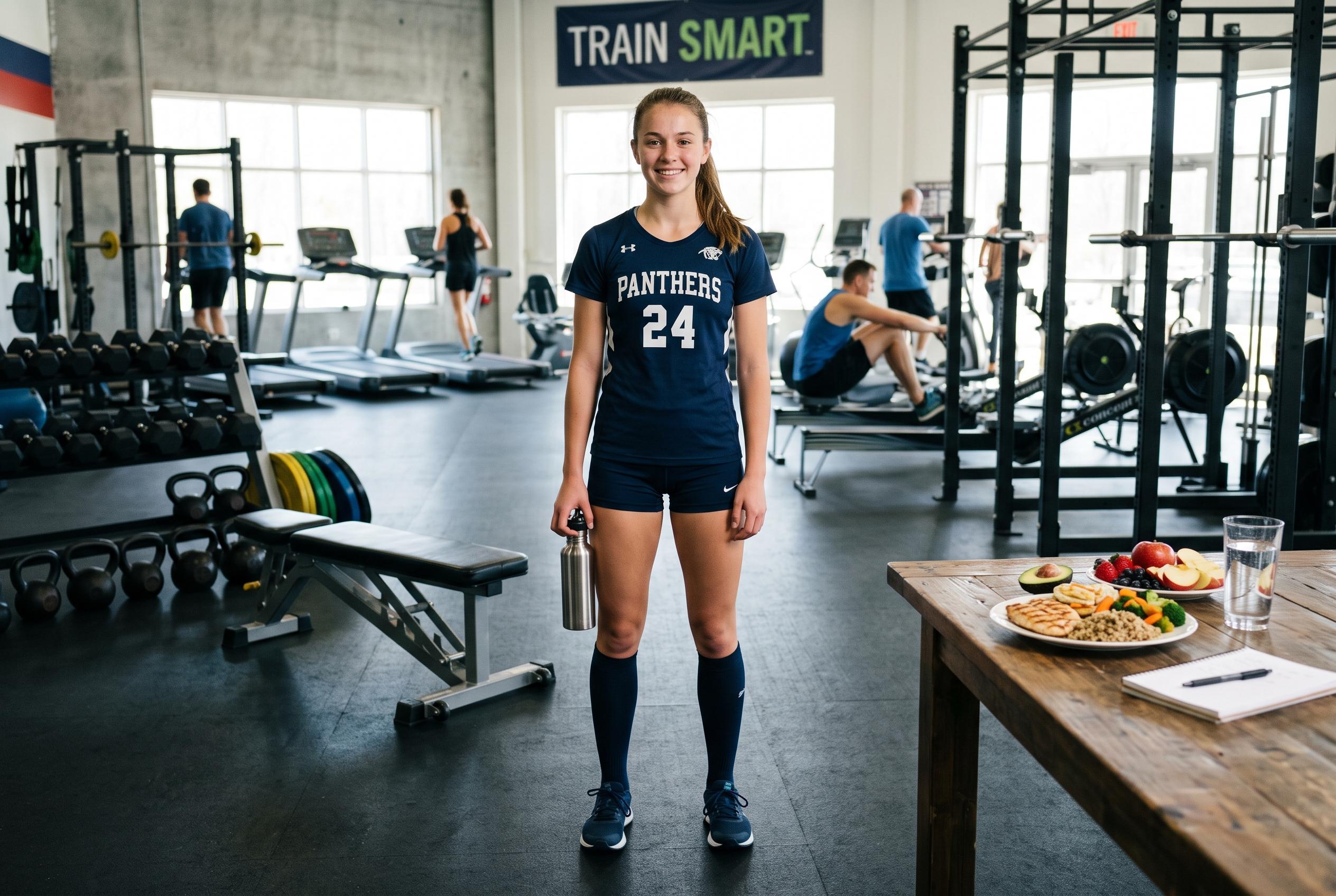

Dutch research highlights that missing periods among teenage girls who train intensively may indicate body strain and lower bone health, prompting calls for balanced training and nutrition.
For teenage athletes, the disappearance of a monthly period can look like progress: proof of discipline, fitness and hard training. But Dutch doctors at Deventer Hospital say it is often a warning sign that the body is under strain, not that it is thriving.
According to work by medical student Sanne Kokhuis and sports physician Liesbeth Kuiper-Klein, the issue is particularly relevant for girls aged 12 to 18, an age when the body is still developing. Their questionnaire-based study, circulated through schools and sports clubs in and around Deventer, compares girls who train at least 8 hours a week with peers who exercise less. The researchers say the threshold is only a research tool, not a strict medical dividing line, because menstrual problems can affect athletes and non-athletes alike.
The central concern is low energy availability: when a teenager burns more energy than she takes in over time, the body may reduce functions it sees as non-essential, including the menstrual cycle. That pattern is widely recognised in medical guidance. Cleveland Clinic and Harvard Health both note that missed periods linked to intense exercise are not normal and should be checked by a clinician, while the American Academy of Pediatrics has long described menstruation in adolescents as a useful vital sign.
Kuiper-Klein says the risk is especially important in puberty, when bones are still being built. If hormone levels stay disrupted for a long time, that can affect bone density and raise the chances of fatigue, poorer performance and injury. The pair say the message for young athletes is not to stop training, but to make sure exercise and nutrition stay in balance, and to speak up if periods stop for more than 6 months or if other worries arise.
Parents, coaches and trainers also have a part to play, the researchers say. A missed period is not something girls should be told to accept as the price of sporting success. Instead, it should prompt a conversation and, when needed, a visit to a doctor.
Disclaimer: This content is for informational purposes only and is not intended to be a substitute for professional medical judgment, advice, diagnosis, or treatment.